

The Second World War had a huge impact on the entire planet. It affected millions of lives and all aspects of human life, including the economy, industry, politics, social and other spheres. The armed conflict had an equally significant impact on the world’s female population. The Second World War, particularly in New York, provided a great drive for development and created new opportunities for girls and women. Find out more at newyorka.
New York and World War II
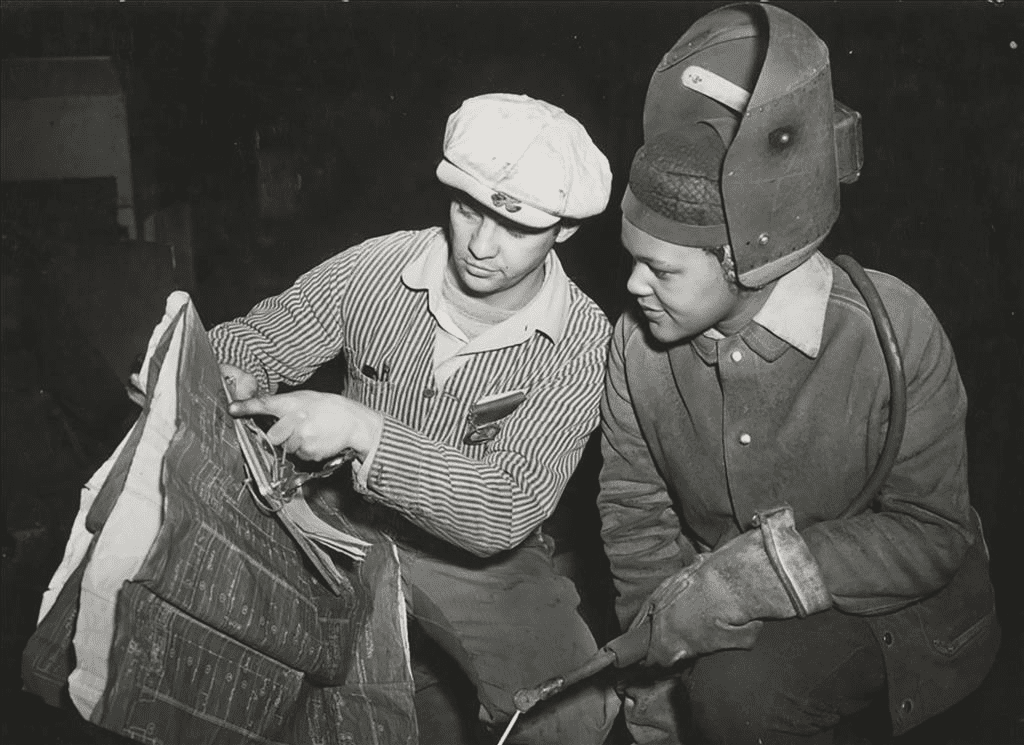
It should be mentioned that when the Second World War broke out in 1939, New York, like the rest of the United States, was very far away from military action. At the beginning of the war, Americans did not participate in the fight. However, when the unexpected bombing of Pearl Harbor occurred in 1941, the United States officially joined the battle. New York, like the rest of the country and nation, got caught up in a long-running military conflict. How did World War II influence the city’s people, particularly women?
The impact of the military conflict on female New Yorkers
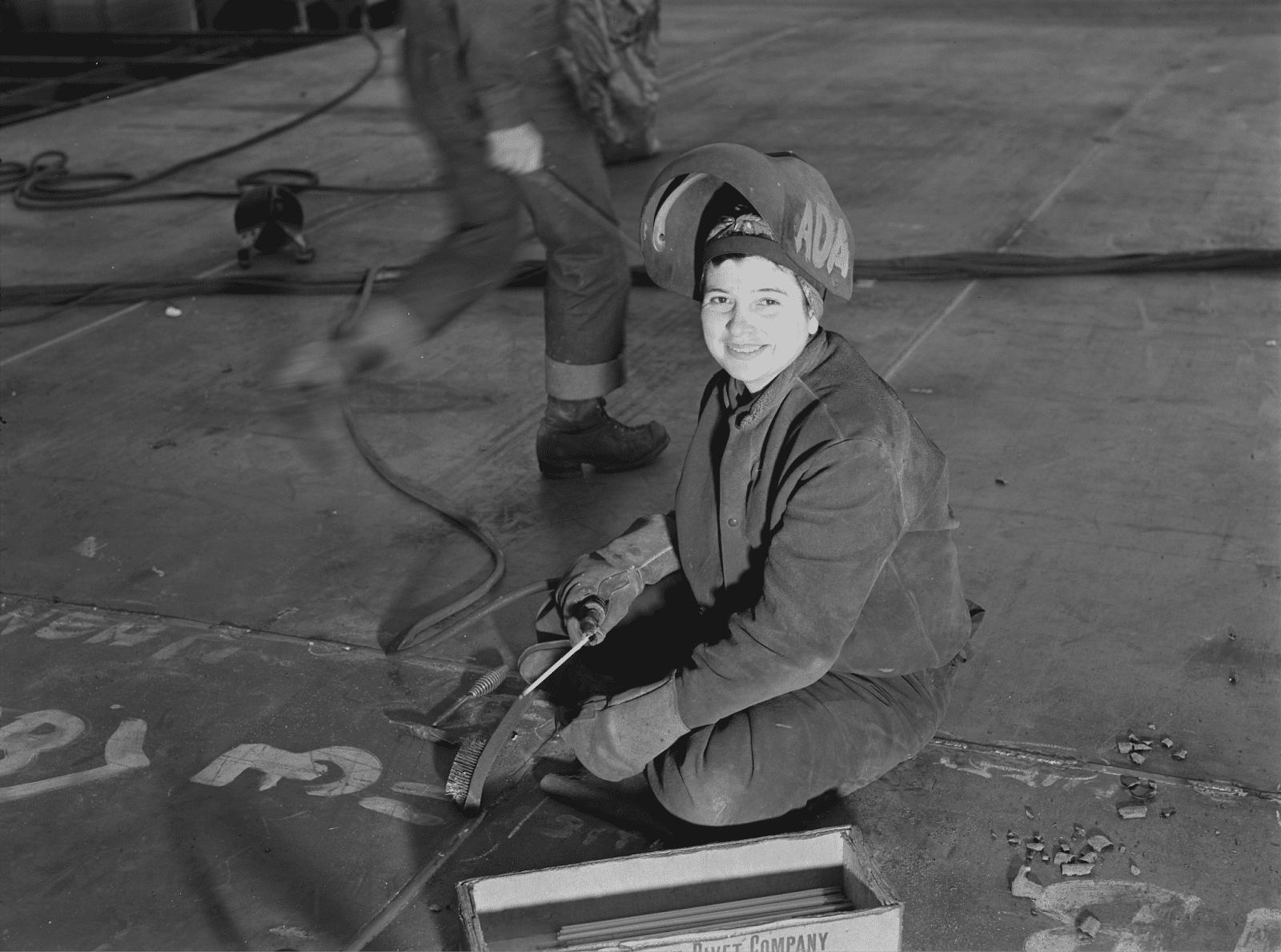
World War II was an extremely challenging time for all New Yorkers. To understand how New Yorkers lived at the time, we shall delve into history. For instance, when the United States entered World War II in 1941, the majority of New York’s male population was mobilized, and enterprises, factories and businesses were repurposed to meet wartime demands. Furthermore, due to a lack of male labor, businesses started employing women. They completely replaced men at the most hard jobs.
For women, such changes in employment marked the beginning of a new era. The shift in gender roles among New Yorkers signaled the start of a greater equality movement.
However, in addition to new prospects, the Second World War brought a great deal of stress to the women in New York. They were concerned about their husbands, brothers and fathers who were serving at the front lines in Europe and other parts of the world, owing a debt to their country. Furthermore, women not only replaced men at work and did complex tasks, but they also worked tirelessly to provide the rear and the US Army with everything that was needed.
Changing gender roles or using work as a means of promoting women’s rights and opportunities
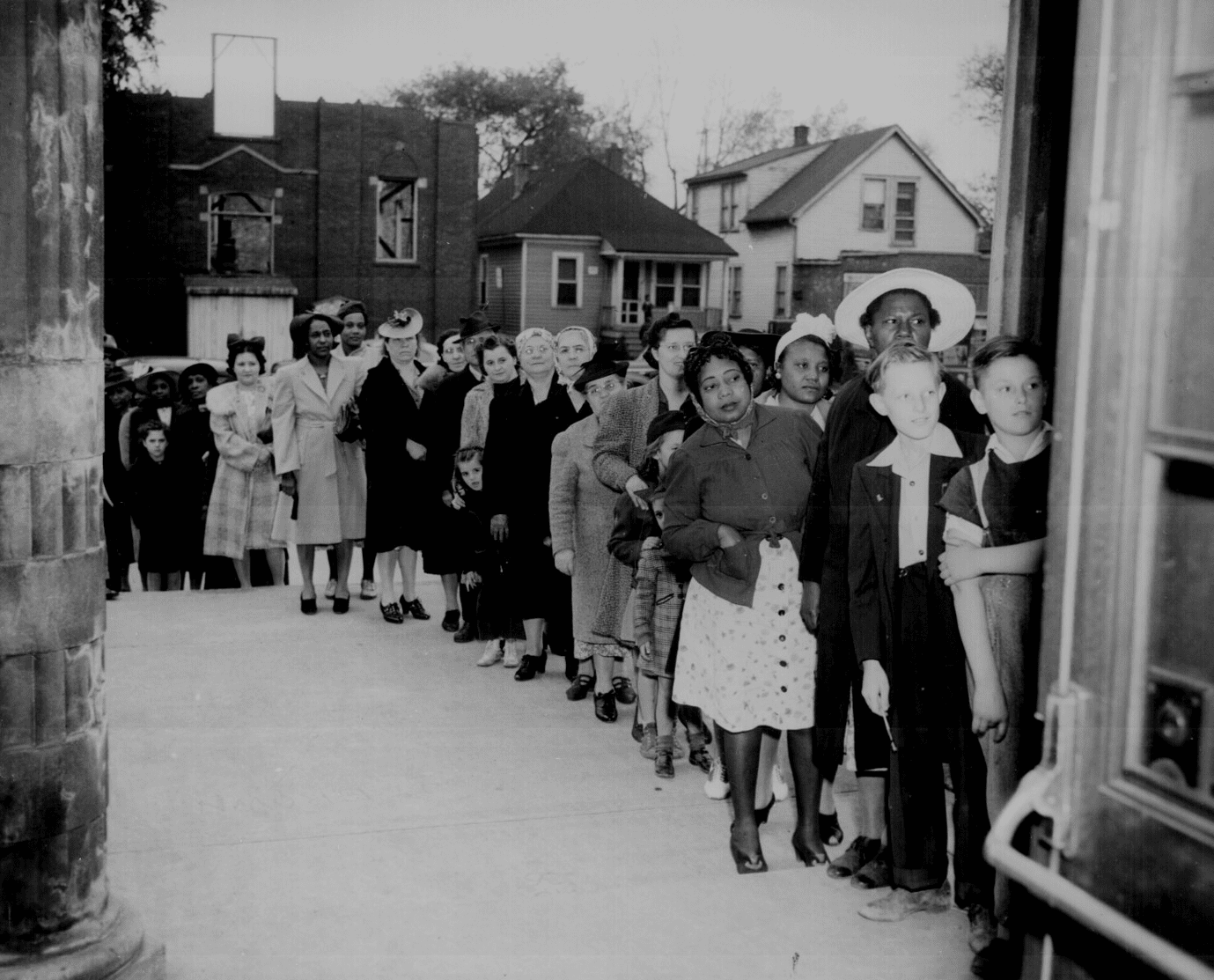
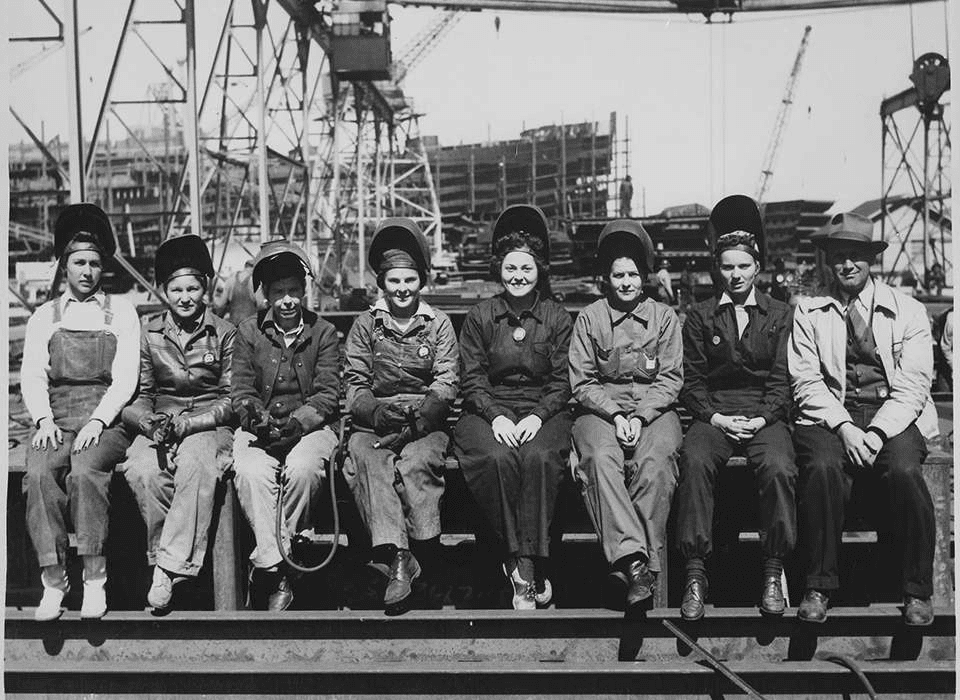
In New York, women were mostly hired in factories, shipyards and other industrial enterprises. These were mostly sectors where there was a severe labor shortage due to the mobilization of the city’s male population. Many women also worked as welders at the Brooklyn Navy Yard. Although women were invited to such positions and paid well, many struggled to become professional at male jobs. After all, as you know, women used to be housewives who cared for the comfort and cleanliness of their homes as well as their children. As a result, the Second World War not only provided women with the opportunity to develop and build careers, but it also imposed a strict framework and conditions of wartime.
It should also be noted that one of the largest enterprises in New York that functioned during World War II and supplied the US Army with equipment and ammunition, was the Brooklyn Navy Yard. During the war, it employed tens of thousands of people, most of whom were women. They worked in a variety of positions at the shipyard, including as welders. They were also in charge of building and repairing ships that were later sent to the front lines to fight the enemy.
Symbol of female invincibility in the illustration of Rosie the Riveter
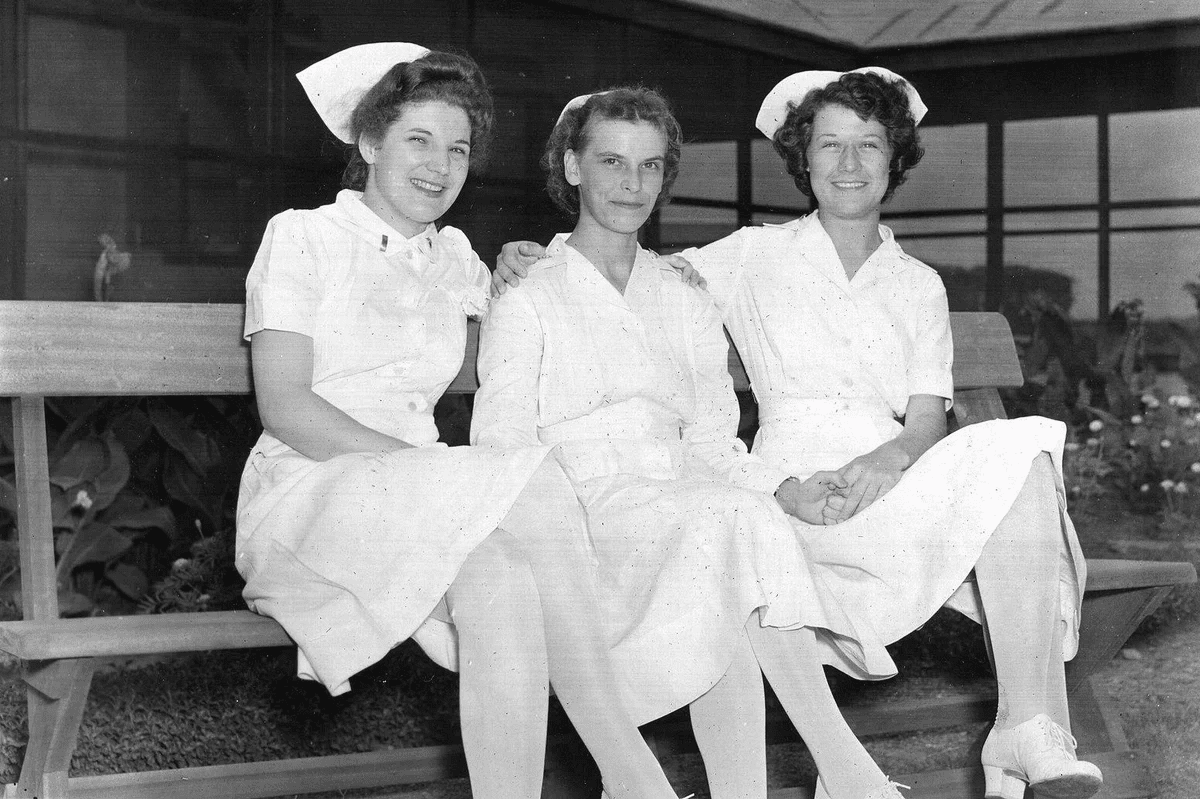
Since women represented the vast majority of workers in enterprises during the 1940s, a New York illustrator created Rosie the Riveter. It was a general representation of an American female worker during World War II, who chose to work for an enterprise and help the country approach victory over the enemy.
The image of a strong and unbreakable female worker was often shown in films and songs of the time. Her image has truly become a cult. Furthermore, her image has become a feminist icon, and even in the 21st century, it continues to represent the strength, endurance and professionalism of all women. Rosie the Riveter inspired many New Yorkers to overcome gender stereotypes about “non-female” professions, positions, occupations and hobbies.
Was there a balance between home and work?
During WWII, many women went to work for the first time, and they not only tried themselves in a new role, but they also discovered that their roles at home had shifted significantly. Since husbands, brothers and fathers were on the front lines fighting the enemy, women had to not only replace them at factories and enterprises but also run a household and care for their children. This was not an easy load for women to bear, however, it was typical during the Second World War.
Women’s voluntary work during World War II
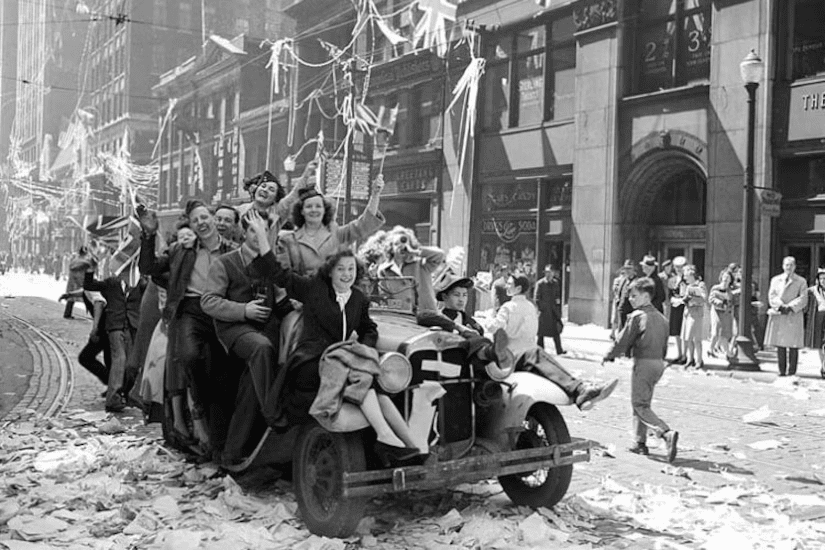
In addition to new job prospects during WWII, New Yorkers made significant contributions via volunteer and social activities, bringing victory over the enemy closer.
While many women chose a new way of self-realization through work, others opted to help others by volunteering. During WWII, a large number of volunteers and other groups were located in New York, assisting both refugees and immigrants from European countries, as well as military troops fighting on the front lines. In particular, the contributions of New York women who participated in the city’s volunteer movement included providing those in need with clothing and food, as well as personal hygiene products and medicines. They also took the initiative to independently knit socks and roll bandages. Additionally, for the soldiers undergoing rehabilitation or coming back from the front, they held a variety of events to assist them in recovering and returning to normal life.
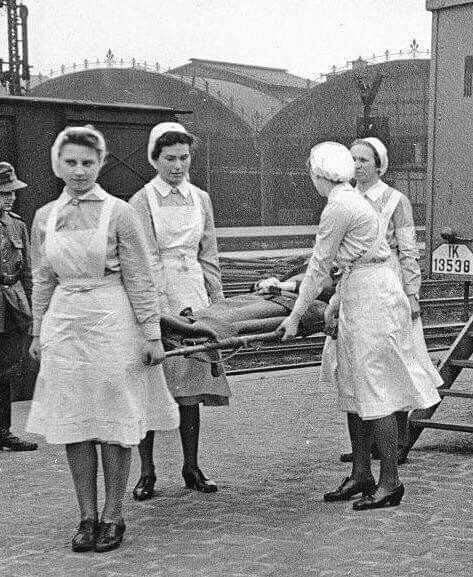
During the course of World War II, some women in New York City worked in hospitals, organizing blood donations, preparing parcels for soldiers and assisting the wounded.
The impact of war on New York women’s psychological and emotional state
Although World War II drastically changed society’s perceptions of women’s roles and fueled the equal rights movement, it is worth noting how difficult it was for New Yorker women throughout the war. After all, the military conflict had a significant impact on the psychological and emotional state of the female population. They not only worked in difficult, brutal and far from ideal conditions, but they also experienced constant stress and worry for their loved ones who served abroad.
The way to relieve that stress was by writing letters that New Yorkers constantly send their loved ones. In addition, special support groups were established throughout the city where women could talk about their experiences and fears.
The Second World War had an enormous impact on the female population of New York. On the bright side, the military conflict provided an impetus for them to develop and realize themselves in new professions and occupations that were not previously common for women. On the other hand, the war caused significant stress and grief, which later affected the lives and health of New Yorkers.