

Ruth Ginsburg is a very significant figure in the US and New York history. Ruth made a significant contribution to jurisprudence while working in the US Supreme Court. She was not just a representative of the law but also a personification of justice and equality among men and women. Her life and career with famous high-profile cases deserve your attention. Read more about Ruth on newyorka.
Ruth’s early years
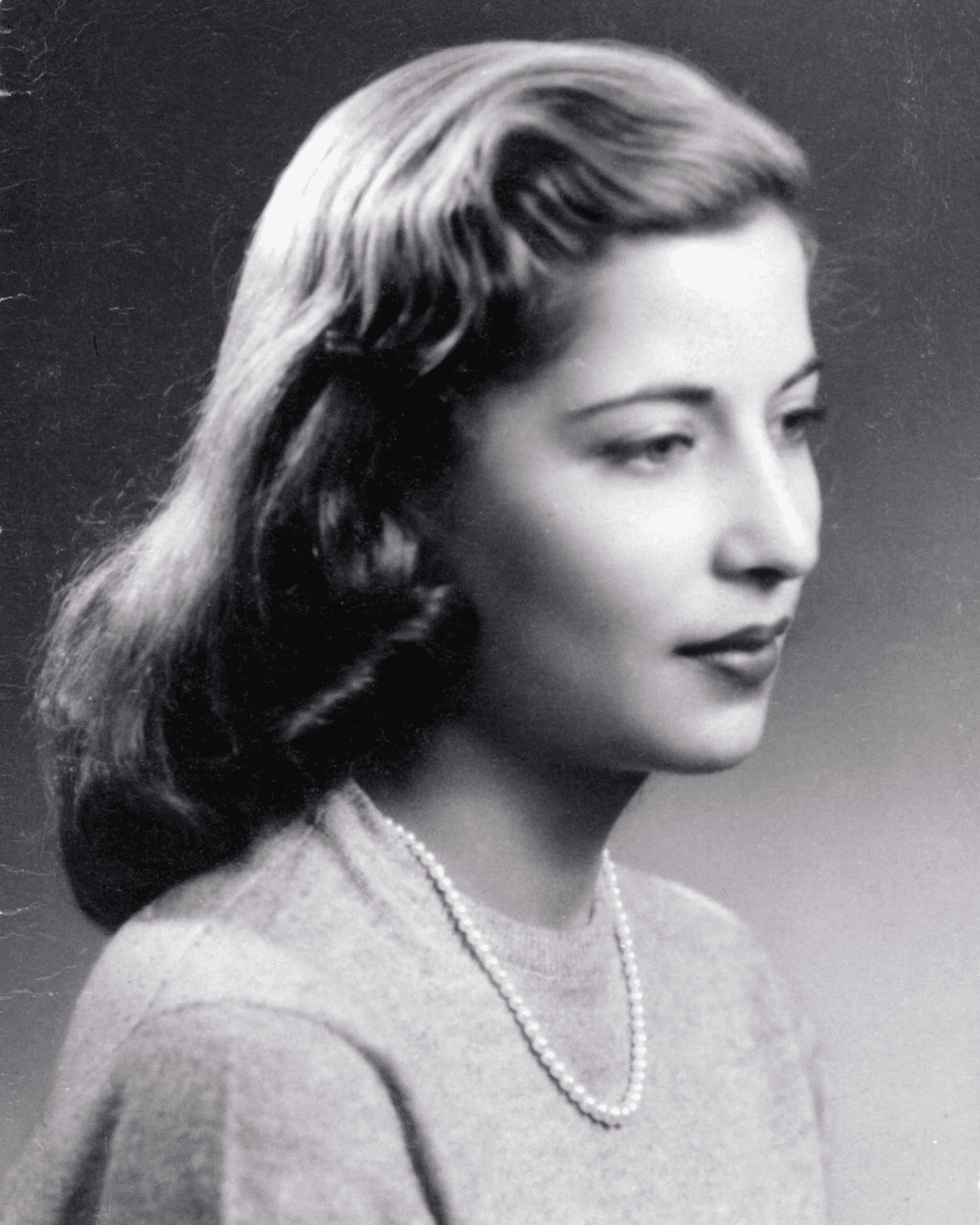
The key to a successful career and life partly depends on the upbringing at a young age. It was Ruth’s case. Her parents invested in her as much knowledge as possible. The future lawyer was born in 1933 in Brooklyn. Her family instilled in her the importance of education and hard work. She regularly visited the library, the synagogue, took part in various programs, went to camps and more.
After graduating from James Madison High School with excellence, our hero entered Cornell University. She also attended Harvard Law School. There were only 9 women among more than 500 students.
During her studies, Ruth realized that her purpose in life would be to fight for gender equality. She faced discrimination throughout her life, especially during her studies. However, she managed to succeed in her studies and become one of the best students. Later, she went to Columbia Law School and graduated in 1959 being the best in her class.
The launch of a legal career
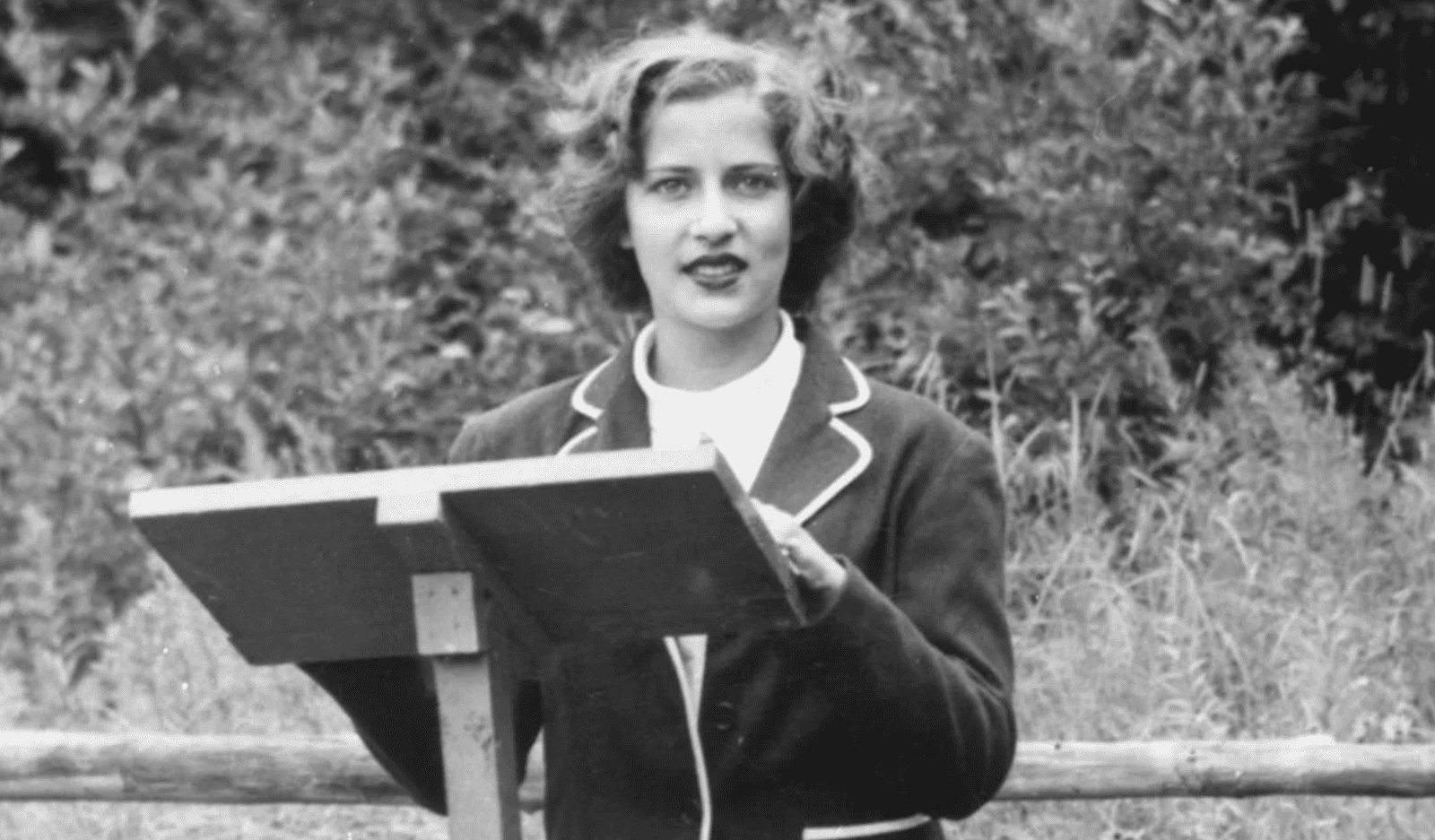
During her studies and at the start of her career, Ruth repeatedly faced difficulties related to her sex. Women were considered practically nothing, many doubted their professionalism, even if they graduated from the most prestigious educational institutions in the city or country.
The start of Ruth’s career was very difficult and challenging. The employers did not want to hire her because she was a woman. Ruth was lucky and managed to get a job as a clerk with a federal judge. She also worked as a research fellow at Columbia Law School for a while. Later, she taught civil procedure at Rutgers Law School.
The breakthrough
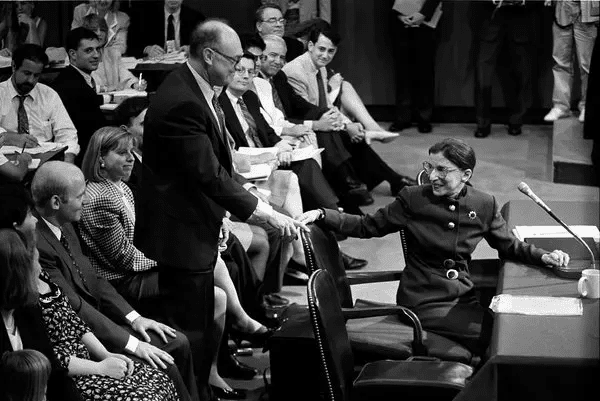
Ruth made a huge breakthrough even before she got to the US Supreme Court. She co-founded a magazine called Women’s Rights Law Reporter in the 1970s. It was the first American edition devoted exclusively to women’s rights.
From that moment on, Ruth launched a revolutionary legal career advocating for women’s rights. She was one of the creators of the Women’s Rights Project at the American Civil Liberties Union, where she handled related cases. Her strategic approach was to challenge laws that discriminated against both women and men, arguing that they harmed society as a whole.
One of the first famous cases was Reed v. Reed in 1971. In conducting it, she successfully argued that Idaho law favors men as administrators of the estate. This violated the Equal Protection Clause of the Fourteenth Amendment. Ruth’s case was the first, for which the Supreme Court made such a decision.
Throughout the 1970s, our hero continued to lead high-profile cases related to women’s rights. Her approach was characterized by thorough research, persuasive argumentation and an emphasis on breaking down gender stereotypes. Her work was brilliant and she gained an unrivaled reputation.
Work at the highest positions
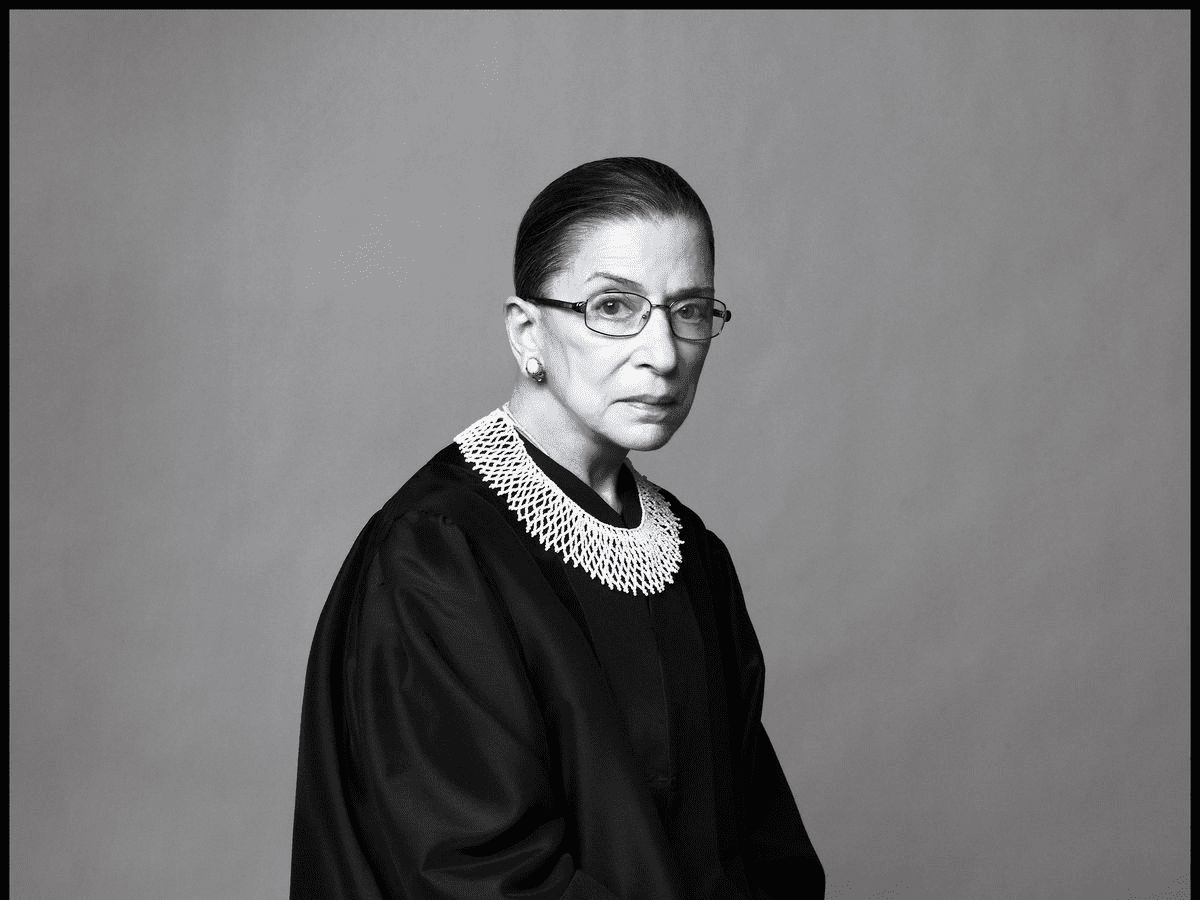
In the early 1980s, Ruth was appointed to the US Court of Appeals. The new position became an important stage in her development. She was the second woman to serve at this position. Working there, Ruth earned a reputation as a thoughtful and pragmatic lawyer who always sought consensus.
During her tenure, she delivered more than 300 verdicts and considered a wide range of complex legal issues. Her impeccable reputation has earned her bipartisan support and the deep respect of the legal community.
In the early 1990s, thanks to her brilliant achievements, Ruth’s candidacy was nominated for an associate justice of the US Supreme Court. Her candidacy was supported by both Democrats and Republicans. Such massive support once again emphasized that Ruth was a successful lawyer with an impeccable reputation.
At this position, Ruth developed a clear philosophy that emphasized the importance of equal protection before the law and the preservation of individual liberties. She approached each case impartially, respected each precedent and showed judicial restraint.
In 1993, Ruth was sworn in as the 107th associate justice of the US Supreme Court. She worked in the office for nearly 30 years. This made her one of the longest-serving justices.
Ruth built up a brilliant career, even while women faced many challenges. Despite all the difficulties, she managed to reach the highest positions and not to fall headfirst into the dirt. She showed everyone that a real judge should be honest, restrained and fair. She devoted her whole life to work, loved it with all her heart and worked until her last breath. Ruth died at the age of 85 in 2020 because of pancreatic cancer.