

Obstructive sleep apnea (OSA) is a common sleep disorder in which there is a temporary cessation of breathing due to airway obstruction. CPAP (Continuous Positive Airway Pressure) therapy is the gold standard for treating this condition. Among the various types of CPAP machines, automatic CPAP (APAP) machines are particularly useful due to their ability to automatically adjust air pressure depending on the patient’s needs.
How automatic CPAP devices work.
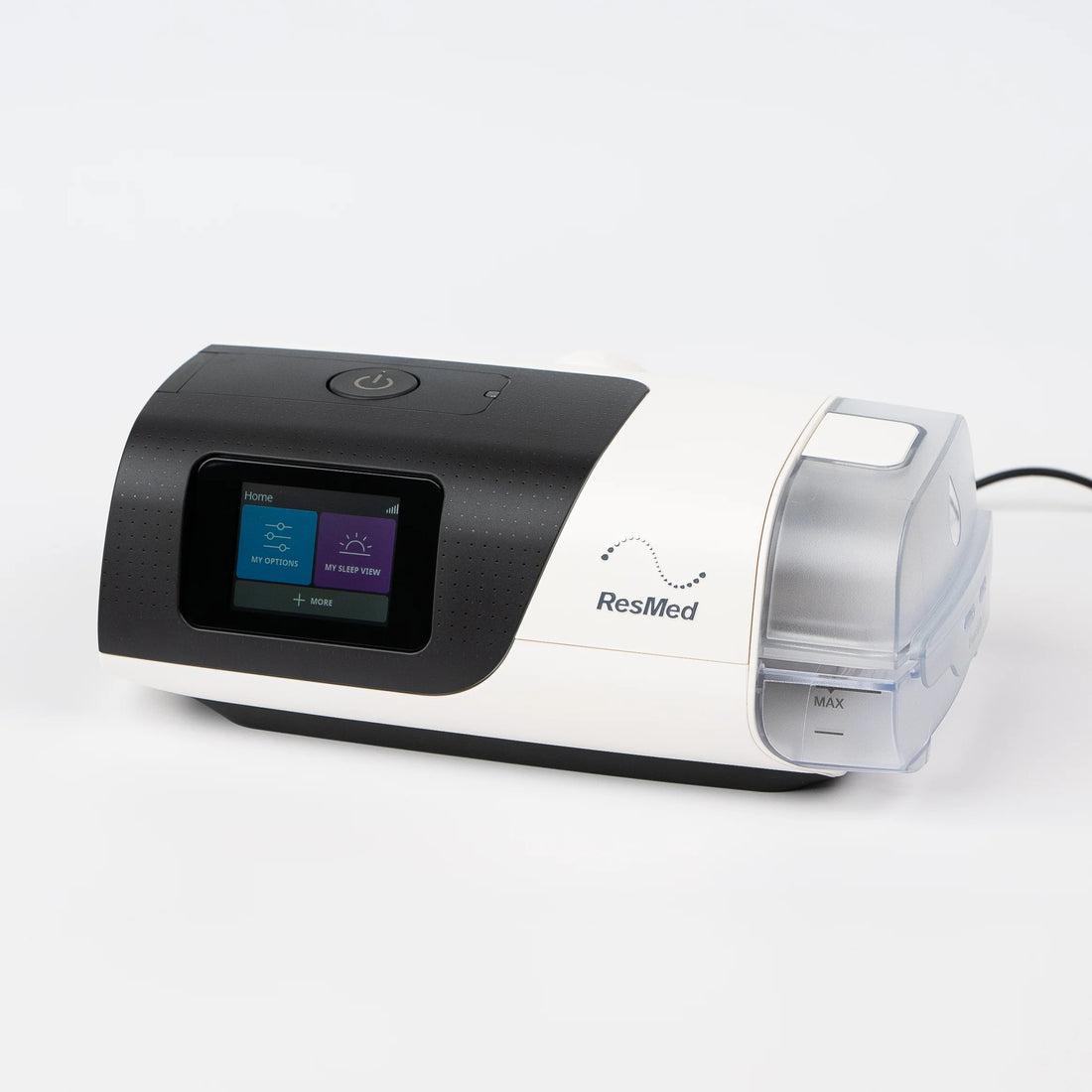
Automated CPAP devices work on the same principle as standard CPAP devices, i.e., they provide positive pressure air supply to maintain airway openness. However, APAP devices have an additional function of automatic pressure adjustment. They are equipped with sensors that continuously monitor the patient’s breathing and adapt the pressure level according to the needs.
- Breathing monitoring. APAP machines are equipped with sensors that detect changes in the patient’s breathing, such as apnea, hypopnea, or snoring.
- Automatic pressure control. Depending on the changes detected, the device automatically increases or decreases air pressure to provide optimal airway support.
- Data storage. APAP devices usually have a function of saving breathing data, which allows doctors to analyze the effectiveness of therapy and make appropriate adjustments.
Advantages of automatic CPAP devices:
- Individualized pressure adjustment. APAP devices automatically adapt the air pressure according to the patient’s needs, which provides more effective therapy.
- Improved comfort. Automatic pressure adjustment reduces the likelihood of discomfort that often occurs when using standard CPAP machines with a fixed pressure.
- Reduced symptoms. Thanks to precise pressure adjustment, APAP devices can more effectively prevent episodes of apnea and hypopnea, which leads to improved sleep quality and reduced daytime sleepiness.
- Convenience for patients with different needs. APAP devices are suitable for patients with different degrees of sleep apnea severity, as well as for those whose pressure may vary depending on sleep position or other factors.
- Improved compliance. Due to the high level of comfort and effectiveness, patients are more likely to use APAP devices regularly, which improves compliance with therapy.
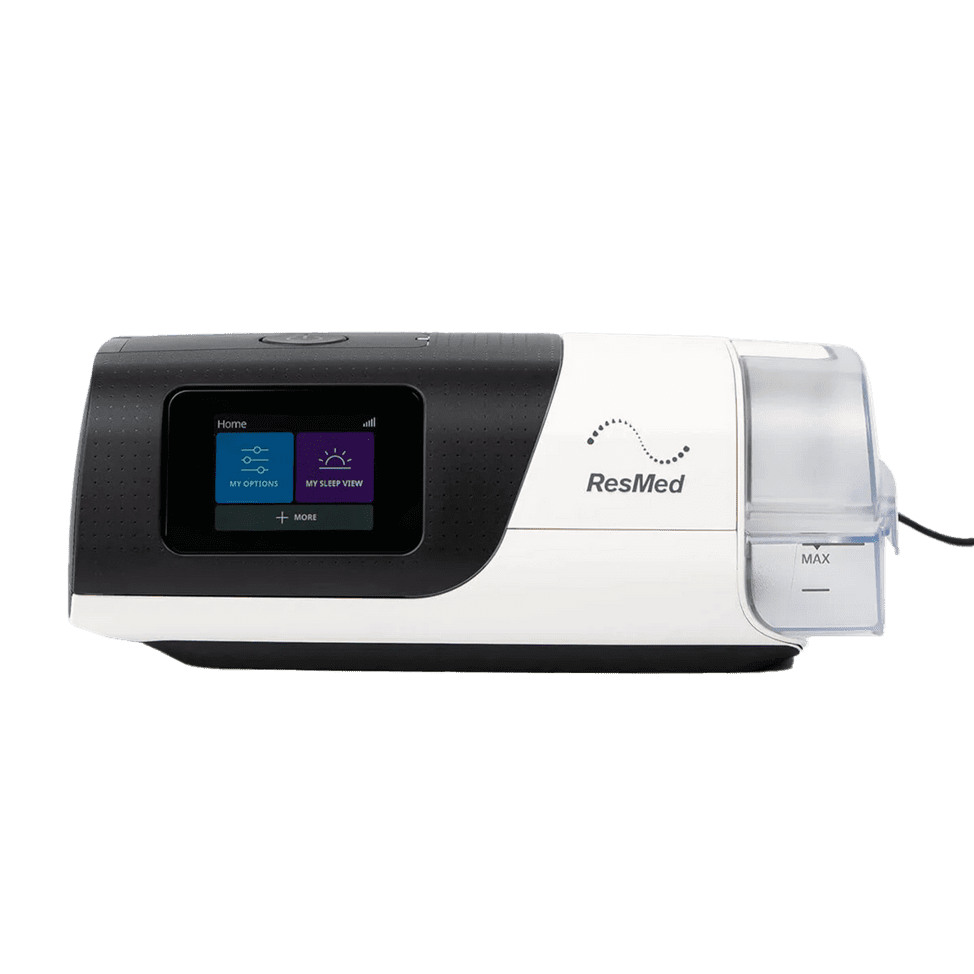
The benefits of automatic CPAP devices for CPAP therapy.
Optimization of therapy.
APAP devices allow you to optimize therapy by constantly monitoring and adjusting air pressure. This provides stable airway support and minimizes the risk of apnea episodes.
Adaptation to changing conditions.
APAP machines can adapt to changing conditions, such as changes in sleep position, changes in patient weight, or alcohol consumption. This ensures continuous therapy effectiveness regardless of external factors.
Ease of use.
Thanks to automatic adjustment, APAP devices do not require complex settings and can be easily used even without prior experience. This makes them convenient for new users and those who have difficulty setting up standard CPAP devices.
Monitoring and analysis.
Many APAP devices have functions for monitoring and storing breathing data. This allows doctors to obtain detailed information about the effectiveness of therapy and make appropriate adjustments to achieve optimal results.
Auto CPAP Machines are advanced technological solutions for the treatment of obstructive sleep apnea and other respiratory disorders. Thanks to the ability to automatically adjust the pressure, APAP machines provide more individualized and comfortable therapy, which increases the effectiveness of treatment and improves the quality of life of patients. The use of APAP devices allows to achieve optimal results in respiratory therapy due to their ability to adapt to changing conditions and provide continuous breathing monitoring.