

Hungarian-American scholar and psychiatrist Thomas Szasz served for many years as a professor of psychiatry at the State University of New York. He was a member of both the American Psychiatric Association and the American Psychoanalytic Association. Despite his traditional education, Szasz held humane views on psychiatry that were atypical for his time, often criticizing its scientific and moral foundations. Learn more about Thomas Szasz’s beliefs and life on newyorka.
Thomas Szasz: A Brief Biography
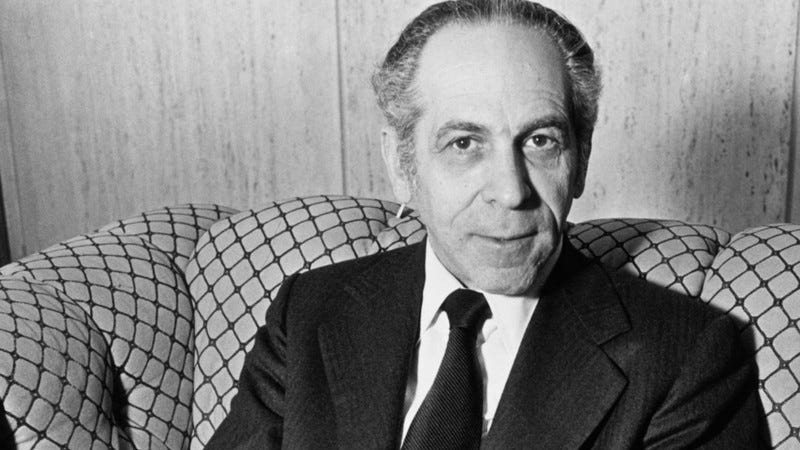
Thomas Stephen Szasz was born in Budapest on April 15, 1920. His parents, Gyula and Lili Szasz, were Jewish, and he had an older brother. In 1938, the family moved to the United States, where Thomas enrolled at the University of Cincinnati and earned a Bachelor of Science degree in physics. He then continued his studies, earning a Doctor of Medicine degree.
After his residency at Cincinnati General Hospital, Thomas Szasz decided to become a psychoanalyst. To achieve this, he spent another five years studying at the Chicago Institute for Psychoanalysis. In 1956, he became a professor at the State University of New York. He later worked as a practicing psychiatrist in the U.S. Naval Reserve for two years before returning to the university. In addition to his academic work, he maintained a private psychiatric practice.
In 1951, Thomas Szasz married a woman named Rosine. The couple had two daughters. Rosine passed away in 1971, and Thomas Szasz died by suicide on September 8, 2012. He had recently fallen and broken his spine and did not wish to continue living in that condition. Notably, the right to suicide was one of the views Szasz championed throughout his life.
Career and Public Advocacy
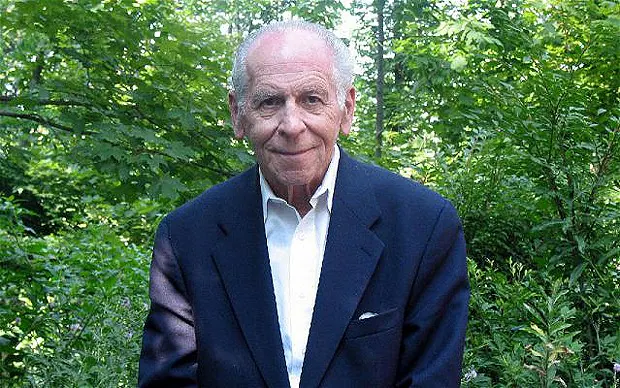
Throughout his life, Thomas Szasz was a staunch critic of institutional psychiatry and authored many popular science books on the subject. He first articulated his critique of “mental illness” as a legal term in 1958, in a publication in the “Columbia Law Review.” In this article, Szasz wrote that mental illness could be compared to demonic possession.
In 1961, his most famous book, “The Myth of Mental Illness,” was published, detailing his ideas. It was followed by the 1970 publication titled “The Manufacture of Madness.” Also in 1961, Szasz testified before a U.S. Senate committee, asserting that psychiatric hospitals deliberately imprisoned people by declaring them insane. In his view, this violated the ethical principles of medicine.
Szasz believed that mental disorders were more metaphorical than real. He sought to limit the excessive powers of psychiatric institutions and authorities, revise mental health laws, and ensure a more careful approach to verdicts in cases related to this field.
In 1969, Thomas Szasz, along with the Church of Scientology, helped found the Citizens Commission on Human Rights (CCHR). The scholar joined its Board of Advisors. This organization was the first in history to speak out against forced psychiatric treatment. Thomas Szasz emphasized this during the celebration of its 25th anniversary. He explained his collaboration with Scientology purely as a matter of convenience, as he held an atheistic worldview.
Recognition
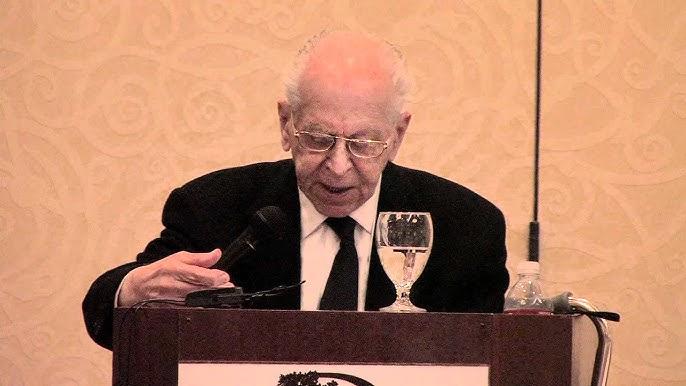
Thomas Szasz was a renowned psychiatrist and received numerous awards and honors. These include:
- Named “Humanist of the Year” by the American Humanist Association in 1973.
- Award for most outstanding public service benefiting the disadvantaged in 1974.
- Honorary doctorate in behavioral science from Francisco Marroquín University in 1979.
- The Rollo May Award in 1998.
The Center for Independent Thought established the Thomas Szasz Award, presented for outstanding contributions to the defense of civil liberties.
Key Views of Thomas Szasz
Thomas Szasz’s early publications and books sparked much public debate and drew attention to problematic issues in psychiatry. What were the views he advocated? Here are some of his most well-known:
Mental Illness Does Not Exist

Despite his medical education and career in psychiatry, Thomas Szasz argued that this field was more pseudomedical than genuinely medical. He wrote that people diagnosed with mental illnesses more often simply faced problems in life. In his view, the state initiated the concept and laws of mental health to persecute dissenters, much like religion did in the past.
Thus, schizophrenia, in his view, transformed from a disease into a judgment of social disapproval. Yet, this diagnosis had already been used for countless psychiatric theories, treatments, abuses against patients, and medical reforms.
Psychiatry and the State Must Be Separated
Following from his previous assertion, Thomas Szasz believed that the state should not interfere in the field of mental health at all. It should not have the right to determine who is healthy and who is not, nor to take measures to treat or restrict people’s freedoms. Szasz proposed abandoning labels such as “addict” or “insane.”
Involuntary Commitment Must Be Abolished
The scholar put considerable effort into advocating for the abolition of involuntary psychiatric hospitalization. He fought for this for over two decades, and in 1970, he helped found the American Association for the Abolition of Involuntary Mental Hospitalization.
He proudly announced its founding in 1971 in the pages of the American Journal of Psychiatry and the American Journal of Public Health. Over the next decade, the association provided legal aid to patients in psychiatric hospitals.
The Insanity Defense Should Be Abolished

Thomas Szasz considered the insanity defense inappropriate. He cited the presumption of innocence, arguing that an individual accused of crimes could not be deemed incapacitated after a doctor’s diagnosis. He viewed mental incapacity as any other form of incapacity, not as an exclusive way to avoid responsibility for one’s actions.
The Right to Drugs
Thomas Szasz also did not consider drug addiction a disease. He called it a social habit and advocated for a free market for narcotic substances. Criticizing the war on drugs, Szasz wrote that this process was a crime without victims. Instead, he argued that prohibition itself turns drug users into criminals.
At the same time, Thomas Szasz was quite skeptical of psychotropic drugs and did not support drug use. However, he believed that some of them were traditional in Eastern countries and that other states should not interfere in these matters.
The Right to Die
Thomas Szasz believed that just as people choose to conceive a child, they have the right to choose when to die. Medicine or the state should not interfere in this matter, and he therefore opposed sanctioned euthanasia.
Suicide and the right to death, according to the scholar, are fundamental human rights. As an illustration of his views, he cited the example of the writer Virginia Woolf, who committed intentional and conscious suicide, thereby affirming freedom of choice. Thomas Szasz, in fact, did the same when he decided his life had come to an end.
The renowned psychiatrist’s revolutionary views, though not significantly impacting state policy, nevertheless laid the groundwork for dialogue on mental health issues and contributed to the field’s development.