

She is an architect of female confidence, a master of soft power, a philanthropist, and a voice for generations. A woman who transformed her own story into an empire, and her name into a philosophy of freedom. Her legacy is not just the wrap dress, but the fearlessness she inspires in women worldwide. Read on newyorka.info the inspiring life story of this incredible woman ahead.
The Girl from Brussels Who Turned Her Story into Strength
Diane Simone Michelle Halfin was born in Brussels. Her father, Leon Halfin, a native of Bessarabia, arrived in Belgium from Chișinău in 1929. Her mother, Liliane Nahmias from Thessaloniki, Greece, survived two concentration camps—Auschwitz and Ravensbrück. She weighed only 49 pounds when doctors advised her against giving birth, fearing it could cost both her and the child their lives. Yet, despite everything, she gave the world a daughter.
It is no surprise that Diane later often repeated the mantra:
“Fear is not an option.”
This principle, inherited from her mother’s resilience, became her internal compass.
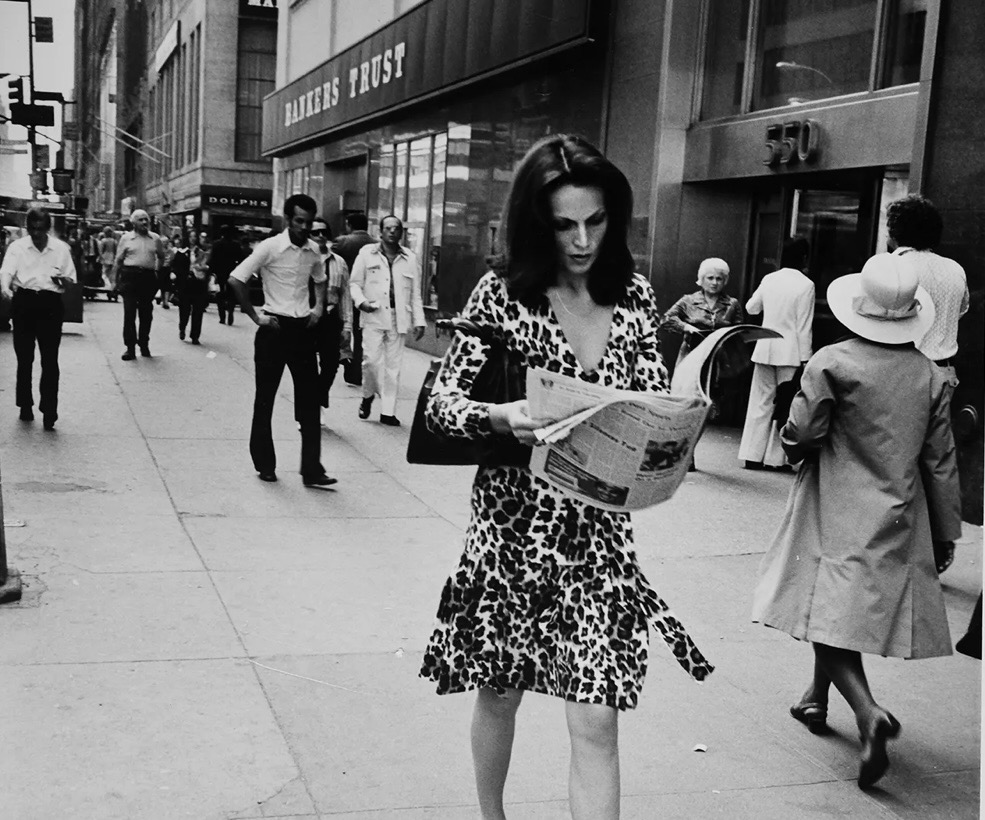
Diane grew up in boarding schools—first in Lausanne, then in Oxfordshire. At 18, she went to Madrid and later continued her studies in economics in Geneva. However, the real world of fashion opened up to her in Paris. She worked as an assistant to fashion photographer’s agent, Albert Koski—surrounded by the lights, the glamour, and the feeling that life was just beginning. Diane then traveled to Italy, where she learned to work with cut, color, and fabrics at the factory of textile master Angelo Ferretti. It was there that she created her first silk jersey dresses—the future symbol of the DVF brand.
In 1969, Diane married Egon von Fürstenberg, although his relatives disapproved of the marriage due due to her Jewish heritage. The couple moved to New York, and had children. But despite the glamour and titles, the marriage was short-lived; the couple separated in 1972 and officially divorced in 1983.
Diane lost the title of Princess but chose to keep the surname. In 2001, she married a second time—to American media mogul Barry Diller.
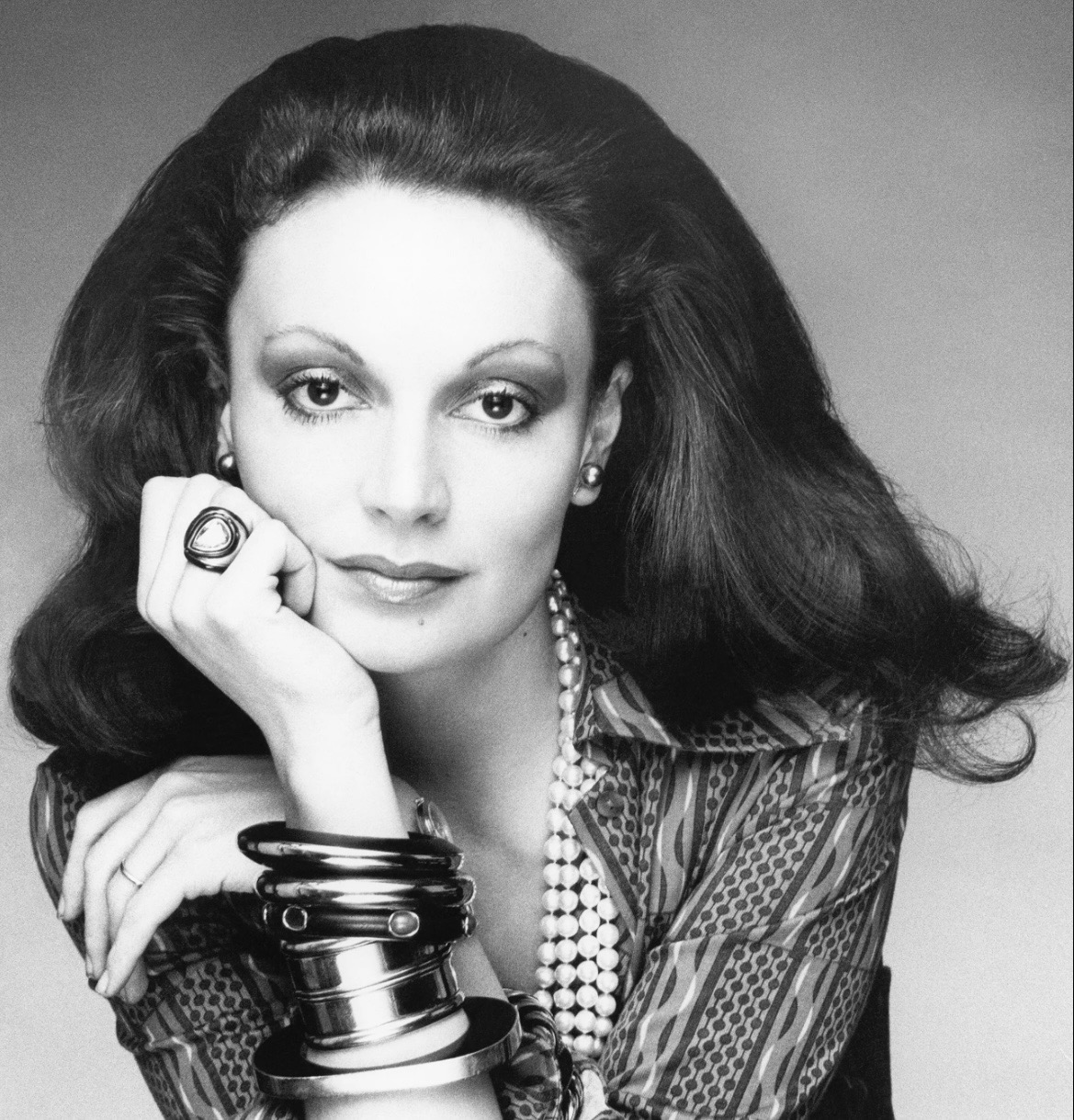
How Diane von Fürstenberg Created the Dress That Changed Women and Fashion
When Diane married Prince Egon, many thought her future was set: social gatherings, luxurious interiors, and the role of a wife in the royal shadow. But the woman felt differently.
“As soon as I realized I was going to be Egon’s wife, I decided to have a career. I wanted to be someone, and not just a little girl who married beyond her means,” she recalled.
This internal impulse became the turning point. Diane began designing women’s clothing. In 1974, her main innovation appeared—the legendary jersey wrap dress. Simple, flattering, feminine, and functional all at once. It became a symbol of a new era when women were entering the workforce en masse and demanding freedom in everything, even fashion.
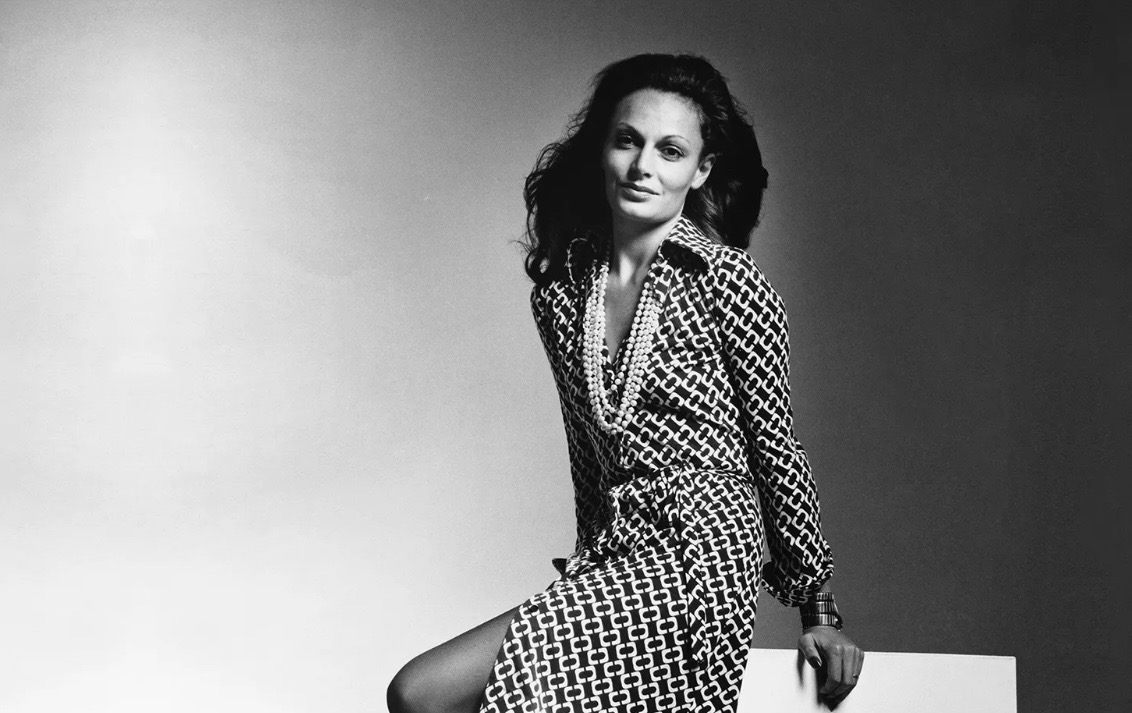
The dress instantly became a phenomenon. In 1974, Diane advertised it in Women’s Wear Daily with the slogan:
“Feel like a woman—wear a dress!”
The market exploded: 25,000 dresses were sold weekly, and by 1976, sales reached one million. In 1976, Diane appeared on the cover of Newsweek. The article called her the most marketable woman since Coco Chanel. At the same time, she launched the perfume “Tatiana,” named after her daughter, and rapidly entered the world of high sales. By 1979, the company’s annual turnover was $150 million.
The early 1980s brought the first serious difficulties. Diane moved to Paris, sold her cosmetic line, created the publishing house Salvy, published books, and tried her hand at new ventures. Success came unexpectedly. In 1992, she sold $1.2 million worth of her Silk Assets product on QVC in two hours.
This boosted her confidence, and in 1997, Diane bought back the rights to her brand, relaunched the line, and brought back the famous wrap dress—this time for a new generation.
In the 2000s, the brand expanded rapidly: jewelry collections, scarves, beachwear. DVF clothing became a staple in the wardrobes of the world’s most famous women—from Michelle Obama to the Duchess of Cambridge. In 2009, the First Lady of the United States was featured in the signature dress on the White House official Christmas card.
After 2017, the brand faced hard times: sales dropped, staff was cut, and the 2020 pandemic forced the closure of almost all U.S. stores. But eventually, things stabilized. Production and sales resumed.
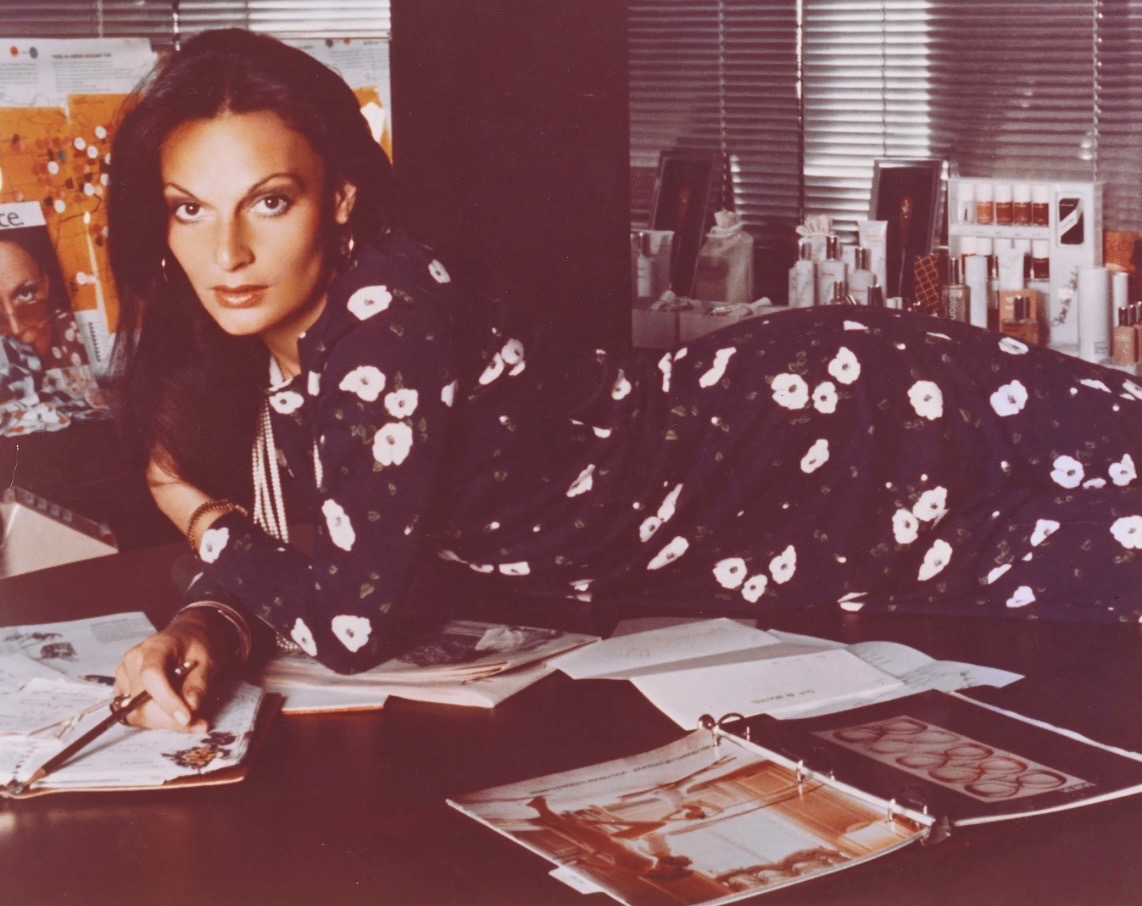
Diane von Fürstenberg arrived in fashion with a suitcase of knit dresses and created a garment that became more than just clothing—it was a sign of female empowerment. The wrap dress became the uniform for millions of diverse women: young and old, slim and curvy, wealthy and those who were only dreaming of success.
DVF is sold in over 55 countries today. But Diane’s true legacy is not the brand. The main legacy is the women who, wearing her dress, felt stronger.
From a Transformer Dress to World Transformations: The Power of One Woman
Diane von Fürstenberg has long transcended the world of fashion. She has become a woman who consistently converts her own influence, success, and voice into tools for support, education, and leadership. Her philanthropic work is a separate story of strength.
As director of the Diller–von Furstenberg Family Foundation, Diane supports dozens of non-profit initiatives—from environmental protection and healthcare programs to art projects, education, and human rights.
In 2010, the foundation established the DVF Awards—annual prizes that honor four women with exceptional leadership potential. Each laureate receives $50,000 to advance her work.
“Women never cease to amaze me,” Diane says.
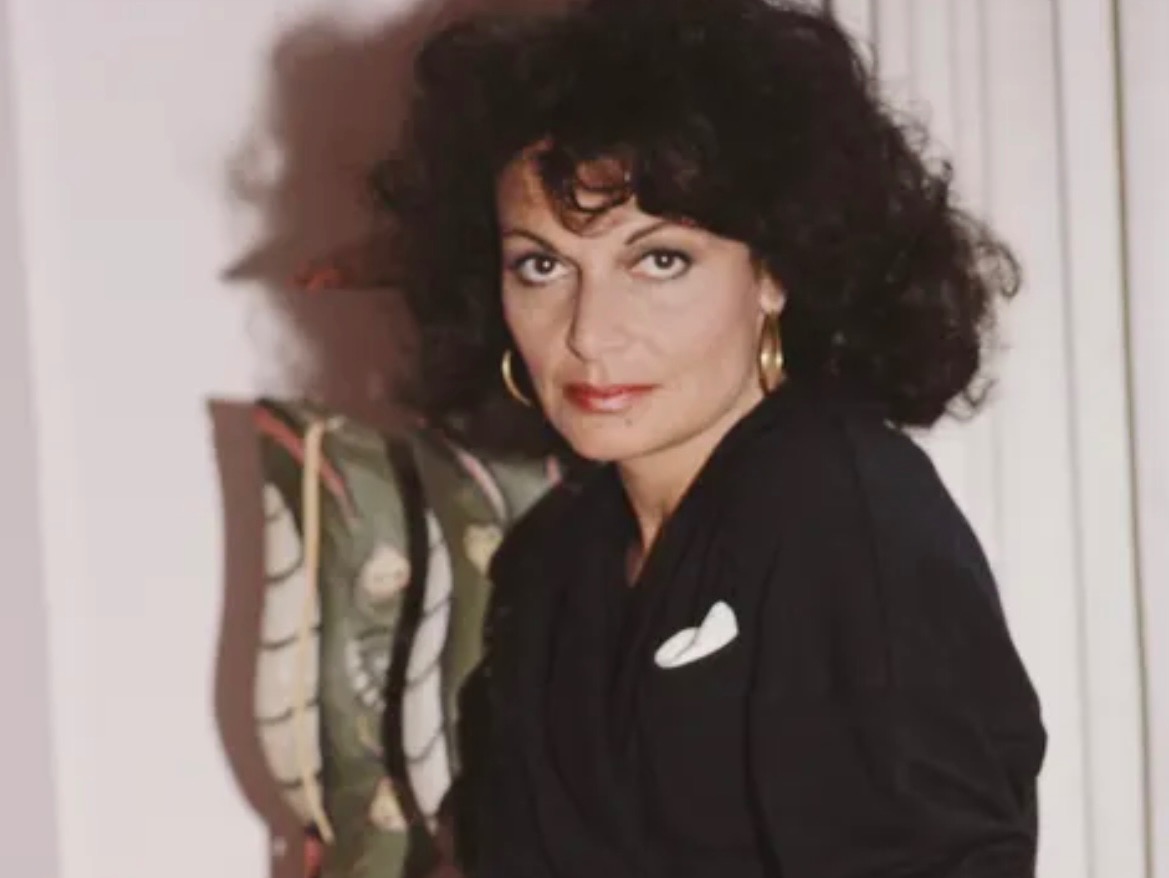
These awards remain one of the most prominent global platforms supporting women’s initiatives. The foundation also participated in the revival of the iconic New York park High Line, pledging $20 million in 2011—one of the largest private contributions in the project’s history.
In 2006, Diane became President of the Council of Fashion Designers of America (CFDA)—the most influential organization in the U.S. fashion industry. A year earlier, she had received the CFDA Lifetime Achievement Award, and subsequently continued to work on the industry’s development as its leader. She also serves on the board of Vital Voices (an organization that advances women’s leadership globally) and was a key advisor in a major review of the New York fashion industry’s future.
Diane has always used fashion as a voice. In 2016, she designed the official T-shirts for Hillary Clinton’s presidential campaign, and in 2019, she launched her own podcast on Spotify, #InCharge, where she speaks with the world’s most influential women about freedom, power, and self-fulfillment. Guests include Kris Jenner, Karlie Kloss, Priyanka Chopra, Elaine Welteroth, Martine Rothblatt, and others.
Diane has been repeatedly recognized for her influence and generosity. In 2012, Forbes named her the most powerful woman in fashion. In 2024, her career was crowned with another significant honor—the Cinema for Peace Honorary Award.
In 2010, Diane joined the Giving Pledge initiative, making a solemn commitment to donate half of her wealth to solving humanity’s most pressing problems. The following year, she received the amfAR Award of Courage—for her tireless fight against AIDS, standing alongside such legendary figures as Bill Clinton and Elizabeth Taylor.
Her accolades are not just diplomas and statuettes, but markers of a person who knows how to turn bold dreams into real-world change.
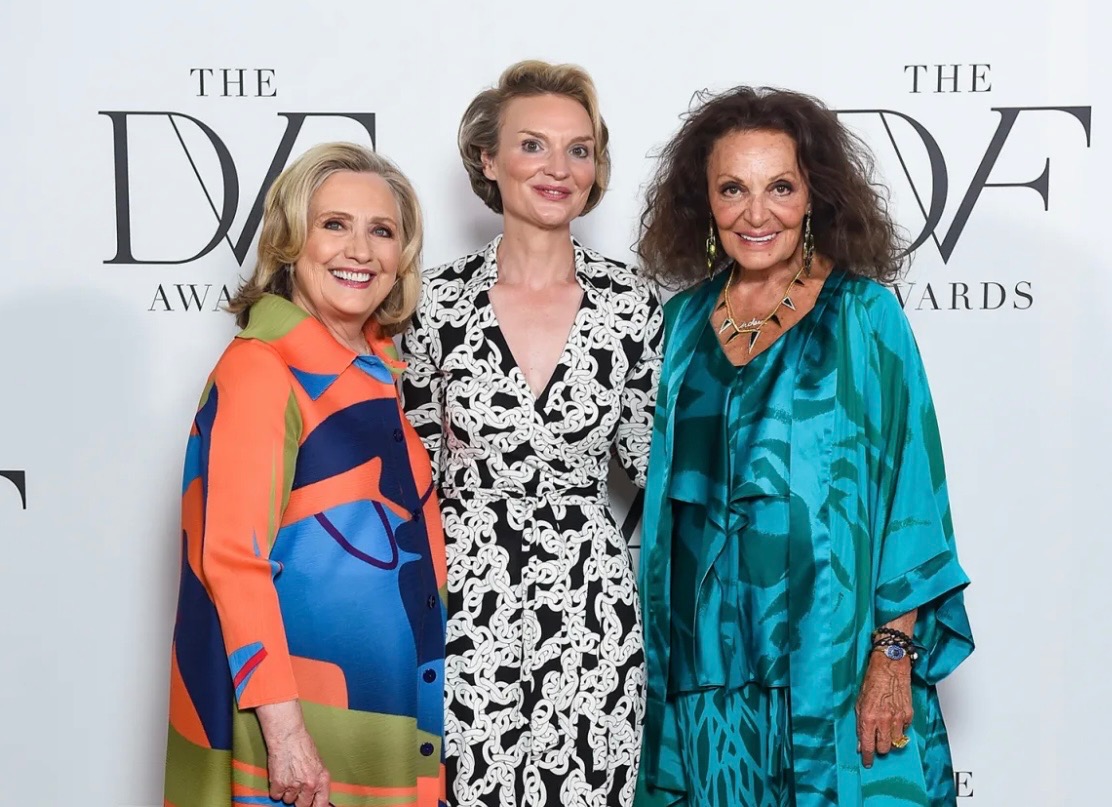
Media, Fashion, and Power: Diane’s Cultural Influence in the 21st Century
In the second half of the 2010s, Diane von Fürstenberg became not only a designer and patron but also the subject of documentaries, reality shows, podcasts, and books. Her image is already a part of contemporary cultural history.
In 2014, Ovation TV premiered the documentary The Fashion Fund, dedicated to the CFDA/Vogue Fashion Fund competition. Diane appeared in the project alongside Anna Wintour—a woman who has shaped the face of the industry for many years.
That same year, the E! television channel launched the reality show House of DVF, where young contestants competed in tasks hoping to become the brand’s global ambassador.
In 2024, Disney+ released the feature-length documentary “Diane von Furstenberg: Woman in Charge,”created in collaboration with Tribeca Studios. It featured Oprah Winfrey, Hillary Clinton, Marc Jacobs, and other key cultural figures. The film received positive critical reviews and became one of the most comprehensive portraits of the designer.
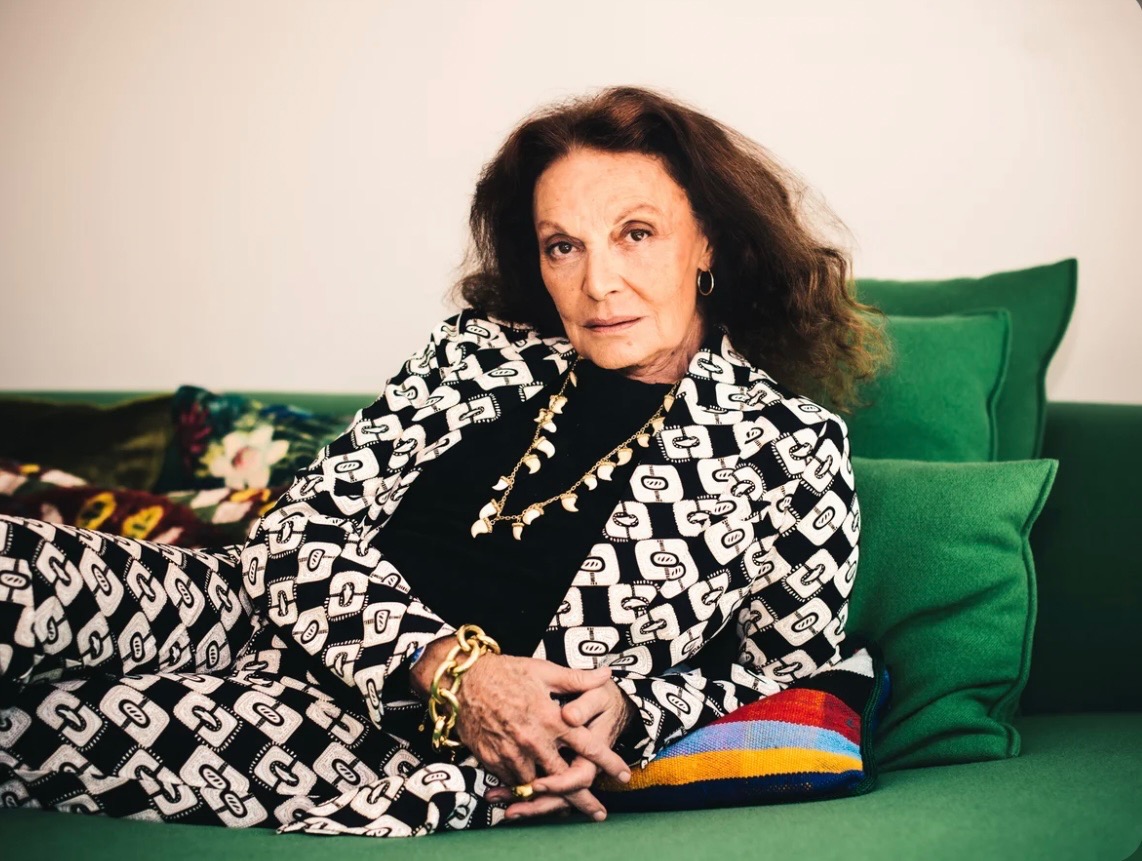
Von Fürstenberg has repeatedly returned to the theme of female strength in her books:
- The Diane von Furstenberg Beauty Book (1976)—an early work on beauty and female confidence;
- Diane: A Signature Life (1998)—her first memoir;
- The Woman I Wanted to Be (2014)—a candid autobiography written during the brand’s new resurgence;
- Own It: The Secret to Life (2021)—Diane’s practical philosophy, formulated after a difficult period for the company.
“As a little girl in Belgium, I never wanted to be a little girl. I wanted to be a woman,” she recalls.
And fashion became her path to that dream. Diane von Fürstenberg is a woman whose life story proves that true elegance is born from boldness.