

In New York, where skyscrapers are built on promises alone, her story sounded almost plausible. If one can build an empire from a reality show or turn a name into a brand, why couldn’t one persistent girl with a fabricated biography slip through the elites? Anna spotted the city’s vulnerability—its blind love for glitter. Give people expensive things, cash, a hint of status—and they’ll stop seeing anything else. And the most terrifying thing about her scheme is how easily it all worked. Read on newyorka.info to find out how a simple immigrant girl managed to deceive New York’s high society.
The Quiet Girl from Eschweiler
Anna was born near Moscow and, at the age of sixteen, moved with her family to Germany—to the quiet town of Eschweiler, where the girl with poor German seemed more like a shadow than a vibrant personality. Her father, a modest and hardworking truck driver, tried to keep the family finances in check. Her mother stayed home and cared for the children. In the close-knit German community, almost no one could have imagined that this quiet girl would later become a mystery in the social columns.
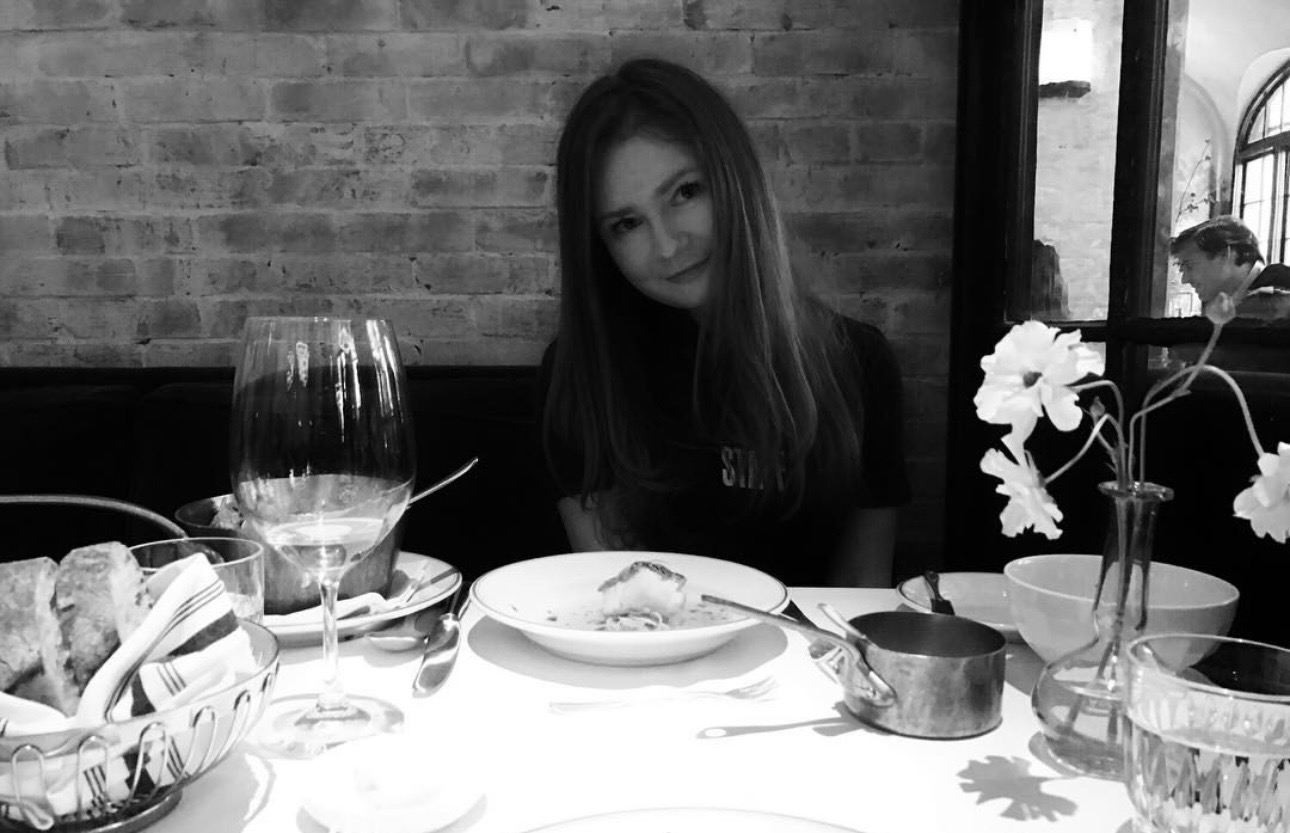
In school, Anna didn’t stand out—she was reserved, awkward, and immersed in fashion magazines and online blogs, which she scrolled through for hours. But even then, a burning desire for a different life—a bigger, louder, more brilliant one—was swirling inside her.
After graduating in 2011, Anna traveled to London, tried studying at Central Saint Martins, but quickly abandoned the idea. Then came Berlin, a short internship at a PR company, and finally, Paris. It was there, working at the fashion magazine Purple for a modest €400 a month, that she first transformed into Anna Delvey. A new name meant a new version of herself. Her parents paid their daughter’s rent, believing it was an investment in a future that seemed bright to them.
In Paris, Anna moved from the category of the unnoticed to those who know how to be in the right place at the right time. Her new persona grew along with her ambitions. She became self-sufficient in her own legend, contacted her family less and less, and hardly resembled the quiet girl from Eschweiler anymore.
In 2013, Anna moved to New York—a city where dreams either take flight or burn out. Here, she fully embraced her role: a young woman with refined taste, a mysterious past, and a hint of a large fortune. Society eagerly bought into the story, never stopping to consider that it might be just a skillfully woven illusion.

While already in prison, Anna stated:
“My parents always had high expectations for me… I think now they regret their trust.”
The Queen Without a Crown
In New York, Anna invented the “Anna Delvey Foundation”—an elite club and art space that was supposed to exhibit top artists. She even scouted six floors in the Church Missions House for it. The plan was grand, influential acquaintances were impressed, but the money never materialized.
Meanwhile, Anna rapidly climbed into the New York art and social scene. Dressed in designer brands, with an impeccable appearance and the confidence of a millionaire, she easily convinced people of her inheritance. But every time it was time to pay, a wallet was forgotten, cards declined, and hotels changed more often than her outfits.
In 2015–2016, Anna actively traveled through the art world, leaving a trail of unpaid bills. She created fake bank documents in Word, convincing banks she had €60 million in a Swiss trust, and attempted to secure a $22 million loan. Although major financial institutions eventually uncovered the forgery, she managed to enjoy the money acquired through overdrafts. Trainers, salons, brands—the life of an “heiress” required maintaining the legend.
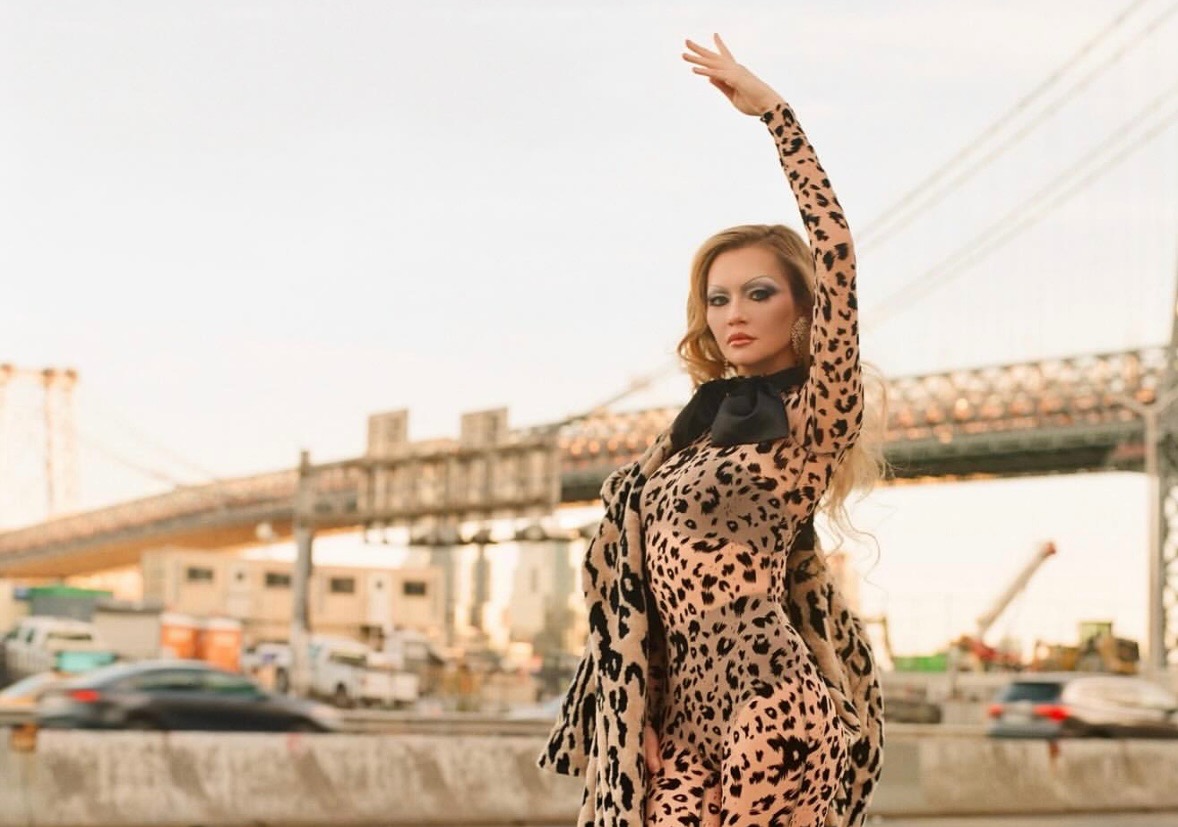
In 2017, Anna checked into the 11 Howard hotel, where she quickly became a local celebrity—her generous tips impressed everyone. But when it was discovered there was no working card on file, the hotel presented a bill for over $30,000. Similar stories recurred at other luxury venues: restaurants, hotels, friends—all became victims of the charming but dangerous “Anna with millions.”
The most notorious scam happened during a trip to Morocco. Anna invited Rachel Williams and friends to the lavish La Mamounia. When it was time to pay, her cards failed, and Rachel was forced to cover $62,000. Anna then fed her promises for weeks, only sending $5,000. For Rachel, this was a moment of realization: she was dealing not with a friend, but a serial con artist.
Returning to New York, Anna continued to live in expensive hotels until she was evicted one after another. She sought new people to offer her refuge, but the investigation was already gathering pace; the Manhattan District Attorney’s office was investigating dozens of fraud episodes.
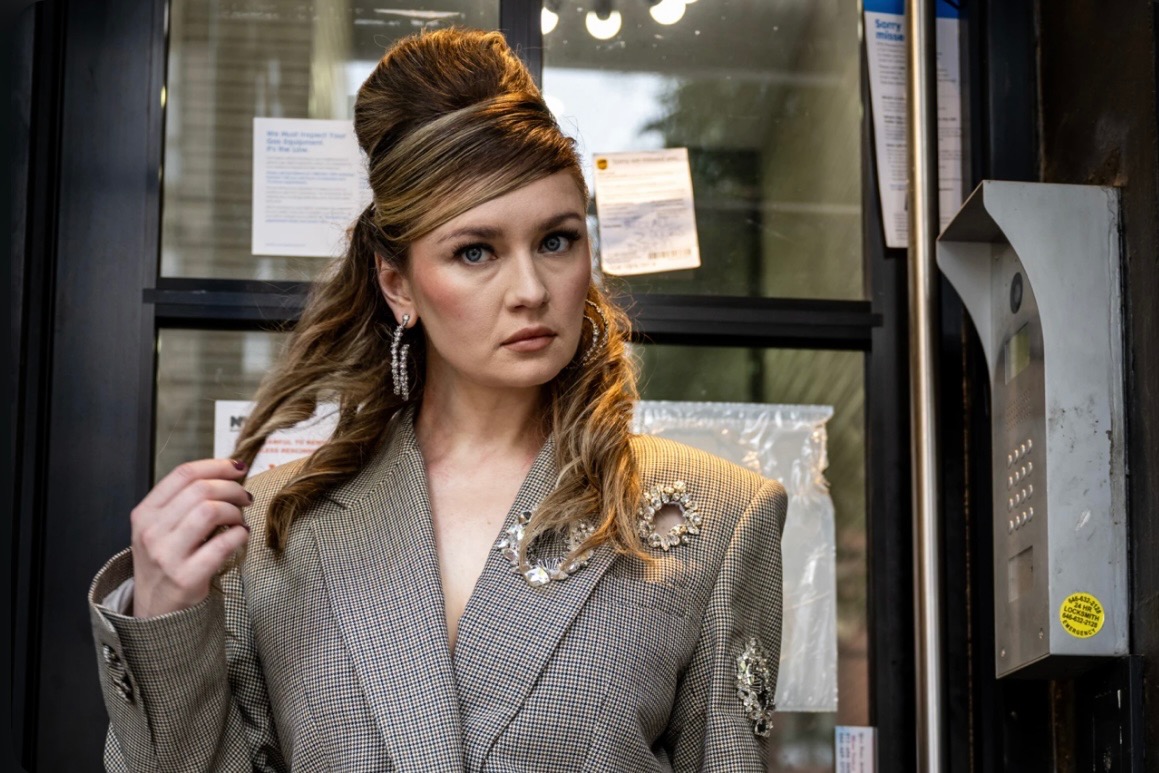
In 2017, Anna Delvey was finally arrested—not without the help of Rachel, who had previously described their Moroccan adventure for Vanity Fair.
“She showed up in my life in Gucci slides and Céline glasses—and introduced me to a glamorous, flawless world that turned out to be an illusion,” Rachel recalled.
Anna Delvey on Trial
New York loves stories of ascent, but even more so, of downfall. Late one evening in a Manhattan courtroom, Anna Sorokin, known to the social elite as the mysterious heiress Anna Delvey, finally heard the verdict. Her dreams of an exclusive art club, private jets, and endless glasses of champagne shattered as loudly as her legend had been built.
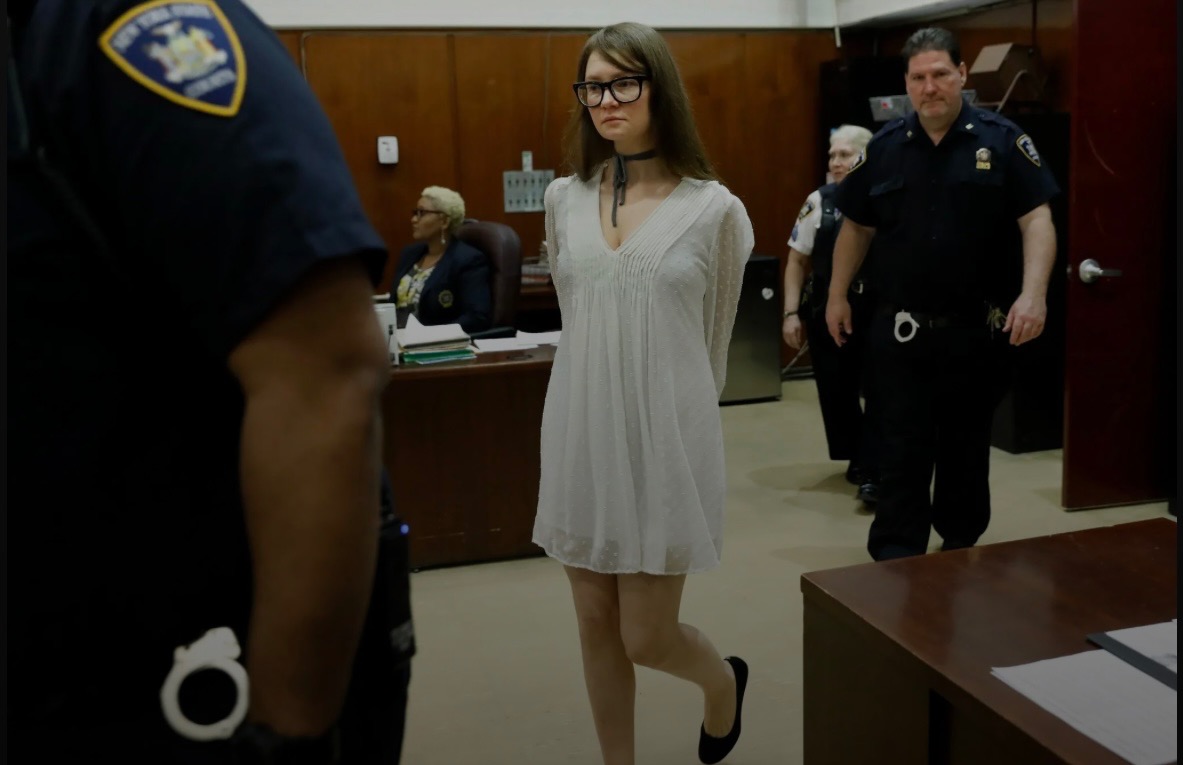
From the first day of the proceedings, it was clear—this was not just a fraud case, but a performance. Even Judge Diane Kiesel could barely contain the absurdity surrounding the defendant’s outfits. When one morning Anna refused to enter the courtroom because she didn’t want to appear in clothing from Rikers Island, Kiesel erupted:
“This is a trial. You are asking me to stop the trial because of her wardrobe?”
Sorokin stood before the court in designer tops, blouses, and skirts by Michael Kors, Saint Laurent, and Victoria Beckham. She stubbornly continued to play her role.
Defense attorney Todd Spodek insisted:
“Anna was just playing New York’s game, where everybody lies a little. Any millennial will tell you, it’s not uncommon to have delusions of grandeur.”
The story he tried to sell to the court sounded almost romantic: a young woman in the city of opportunity creating a new life for herself. But prosecutors quickly brought the process back down to earth, assembling a mosaic of offenses: fake letters from invented financial advisors, fraudulent loan applications to City Nationaland Fortress, unpaid hotel and restaurant bills, and even deceiving a private jet company.
On April 25, 2019, the jury found Anna guilty on eight counts. She was sentenced to up to 12 years in prison. In 2022, Anna Delvey was released on bail and placed under house arrest.
In New York, where style and confidence decide everything, Anna Delvey managed to fool half the city. Perhaps lawyer Spodek was right about one thing:
“There’s a little bit of Anna in everybody.”
But for most, not enough to result in a conviction for multi-million-dollar fraud.

The Anna Delvey Phenomenon: How a Con Artist Became a Media Icon
While the legal battles raged, the media was already building a new myth around Anna. Vanity Fair, then New York Magazine, podcasts, documentaries, articles, and later Netflix—everyone wanted her story. The image of the con artist was rewritten, discussed, and sold. The name Anna Delvey became a cultural phenomenon. New York continued to consume her—and couldn’t get enough.
On May 19, 2022, while Delvey was behind bars, her art broke free. The “Allegedly” show opened in a nightclub on the second floor of a public hotel in Manhattan. Models, dressed in Versace sunglasses and black stockings covering their faces, wore Delvey’s drawings in gilded frames and white gloves. A pre-recorded video address from the artist added a personal touch to the show:
“This is my narrative from my perspective,” she said.
Each drawing cost $10,000, and 15% of the proceeds went to children’s charities, giving the art a social mission.
In June 2022, Delvey took another step into the world of innovation, launching a Non-Fungible Token (NFT) collection: ten unique NFTs that promised owners exclusive access to her and her projects.
Media attention to Anna did not subside. In September 2024, Delvey participated in Season 33 of “Dancing with the Stars” paired with professional dancer Ezra Sosa.

The program required her to wear an ankle monitor due to an ICE mandate, but that didn’t stop her from leaving her mark—although she was one of the first two celebrities eliminated.
Fashion has always remained her field for experimentation. In September 2023, during New York Fashion Week, Delvey organized an event on the rooftop of her apartment while under house arrest. The following year, she walked the runway for the SHAO New York brand, and in February 2025, she presented collections for Elena Velez and other designers, all while still wearing the ankle monitor.
Anna Sorokin is a strange blend of real guilt, a hypertrophied myth, and a masterful manipulation of her image. She lost the trial but won pop-culture immortality.