

Dorothy Thompson was among the first female journalists who reached huge success. She was an activist in the promotion of women’s rights and their expansion. She even took part in the women’s election campaign. Her active public practice and contribution to the development of civil rights are equated with the achievements of another outstanding personality, the First Lady of the USA, Eleanor Roosevelt. Learn more at newyorka.
Youth of the future influential journalist
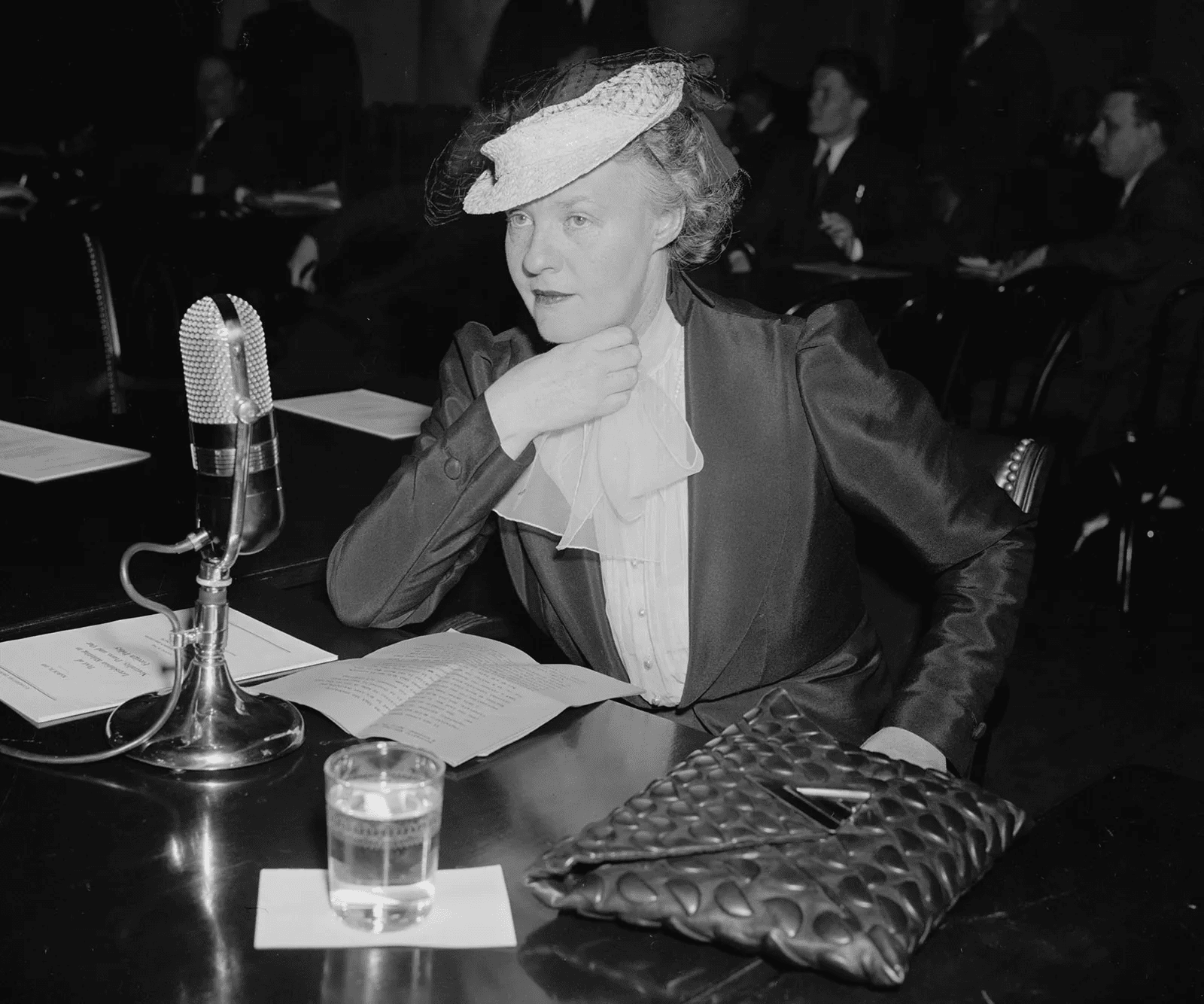
The young years of a future journalist were not easy. She was born in the State of New York to the family of a preacher in 1893. In total, there were three children in the Thomson family. When young Dorothy was only 8 years old, her mother died. It was an extremely terrible and heavy loss for the girl. Mr. Thompson had to raise his children alone. But soon, he found a new life companion and married her. Dorothy felt fierce hostility towards her stepmother, so there were frequent conflicts in the family. Mr. Thomson solved this problem by sending Dorothy and her sister to study in Chicago. She has been studying at Lewis Institute for several years and then decided to drop it. Dorothy was more interested in politics and economics. Therefore, she transferred to Syracuse University to study those fields. She was passionate about learning because, at the beginning of the 20th century, not every girl or woman in the United States could afford it. And in the 19th century, women could not even dream of education.
Having graduated, the future journalist felt that all her acquired knowledge should be put on the right track, the social sphere. Since then, she has become an ardent activist fighting for women’s rights as well as their right to vote.
How did Thompson become a journalist?
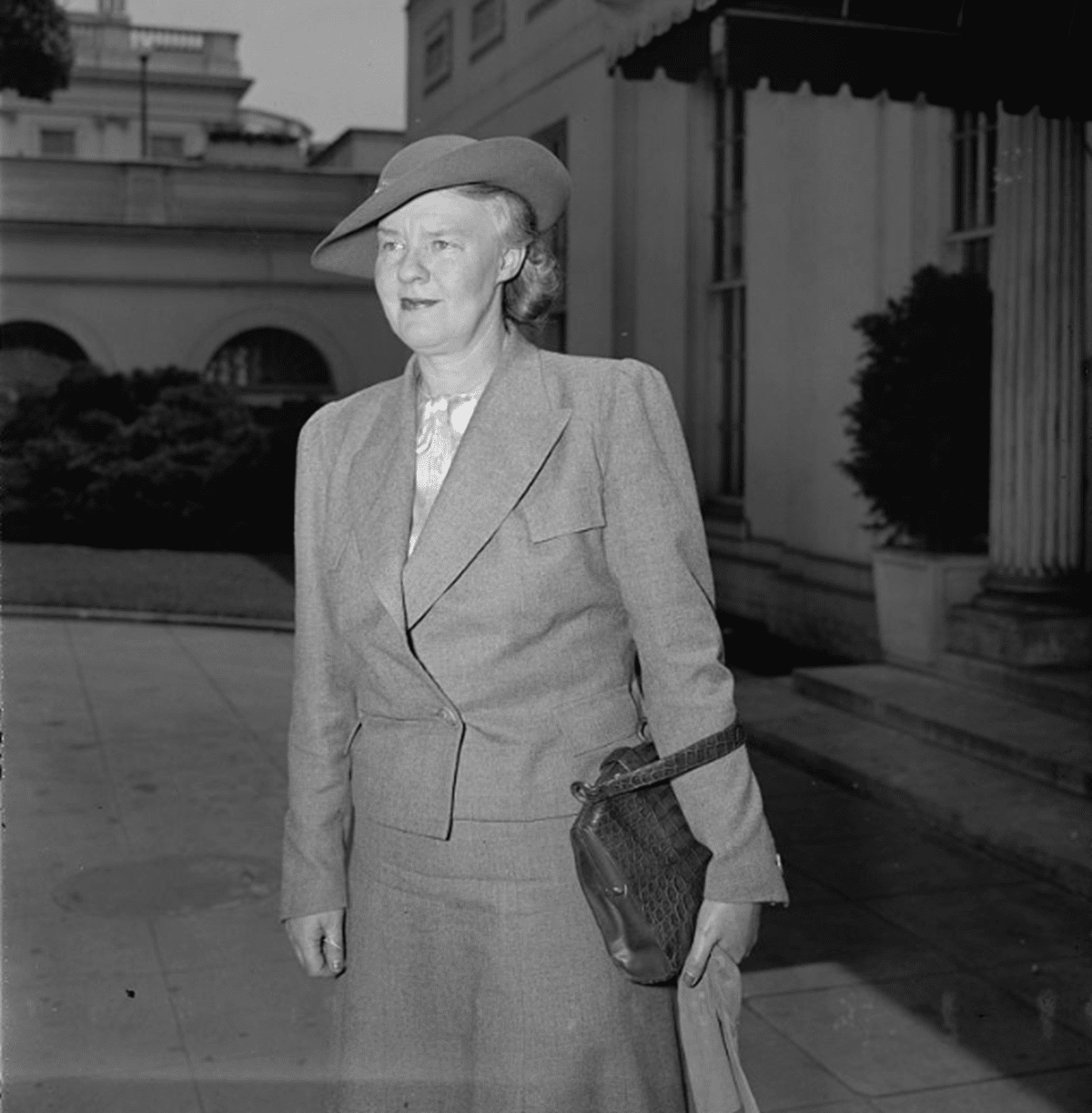
Journalism appeared in Dorothy’s life immediately after graduating from the university. As an avid women’s suffrage activist, she moved back to the State of New York, where she personally participated in the election campaign. She had been developing her journalistic practice in New York for six years and then continued it in Europe.
She was very interested in the European Zionist movement. The young journalist also visited different countries and interviewed prominent personalities, writers, poets and politicians, including
- Terence MacSwiney, the leader of Sinn Féin. Thompson managed to interview him just before his arrest and death.
- Adolf Hitler, who started World War II in 1939. She described him in the following way: “He is formless, almost faceless, a man whose countenance is a caricature” and “He is the very prototype of the Little Man”. The Nazis found those words offensive and deported her.
While working as a journalist in Europe, Thompson made a lot of beneficial acquaintances. Among them were prominent European writers, journalists and poets who shared their experiences with her and, at the same time, inspired her.
After being deported from Germany in 1934, the journalist returned to her native New York, where she began to work actively on her columns in American newspapers. She was incredibly successful in her career. More than 10 million people read her articles across the United States. She wrote on completely different topics, but primarily on those that were closest to women:
- gardening
- children
- art
- household
- other female topics.
Her career success was incredible. Not only women but also men paid attention to her opinion. That’s why she became one of the most influential women in the USA in the 20th century. Millions of people read her articles and women always quoted her phrases in secular circles.
The outstanding New York journalist spent her last years in Portugal. Her life ended at the age of 67, in 1961.