

Dorothy Parker was a poet, writer, playwright, and Hollywood screenwriter, renowned for her razor-sharp wit. Her literary works graced publications like The New Yorker, and her screenplays earned two Academy Award nominations. A co-founder of the legendary Algonquin Round Table and a passionate political activist, Parker was truly a vibrant and unforgettable figure. Let’s explore the life of this remarkable personality on newyorka.
Early Life and Education
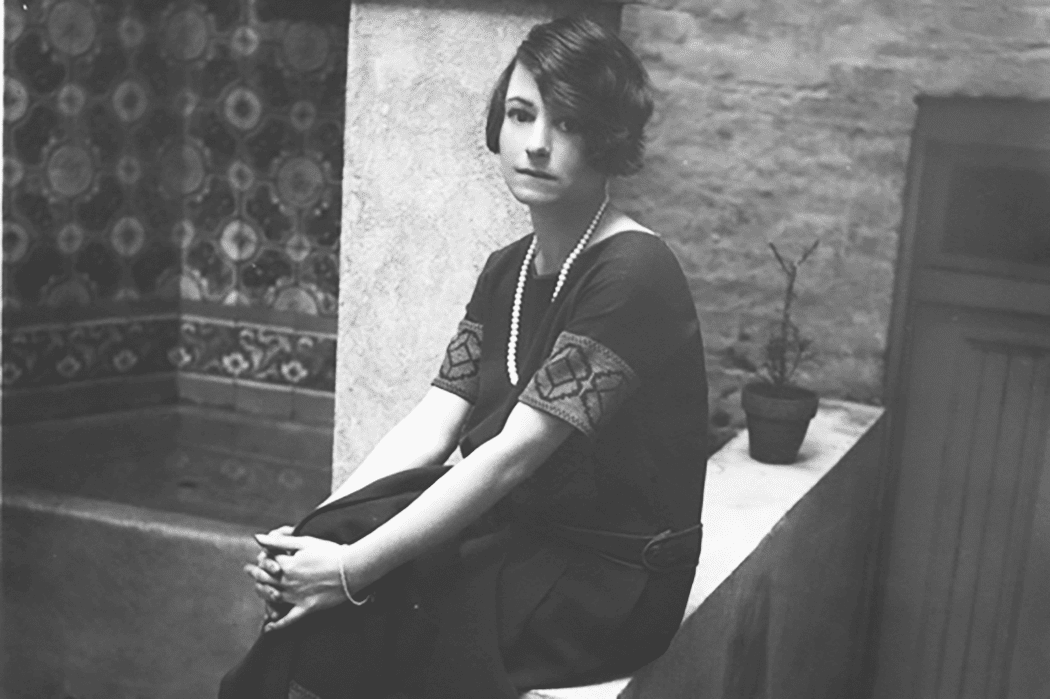
Dorothy Rothschild was born on August 22, 1893, in Long Branch, New Jersey. Her parents, Jacob Henry Rothschild and Eliza Annie Marston, soon returned to their permanent home in Manhattan, where Dorothy grew up amidst the vibrant bustle of New York City.
Her mother unexpectedly passed away before Dorothy turned five. In 1900, her father remarried Eleanor Francis Lewis, a Protestant. While some accounts suggest her father physically abused Dorothy and that she detested her stepmother, some biographers argue she grew up in a generally harmonious environment. Her stepmother died in 1903.
Dorothy grew up on the Upper West Side, attending the Blessed Sacrament Roman Catholic convent school with her sister, Helen. She then continued her education at Miss Dana’s School in Morristown, graduating in 1911. Two years later, her father died, forcing Dorothy to play piano at a dance school to make ends meet. During this time, she also began writing poetry.
In 1914, she sold a poem to Vanity Fair magazine. Soon after, she landed a job as an editorial assistant at Vogue. After two years there, she became a staff writer for Vanity Fair.
In 1917, Dorothy met Edwin Parker II, a stockbroker, and they married. During World War I, he served in the 4th Division of the U.S. Army.
Dorothy Parker’s Career: Journalism and Writing
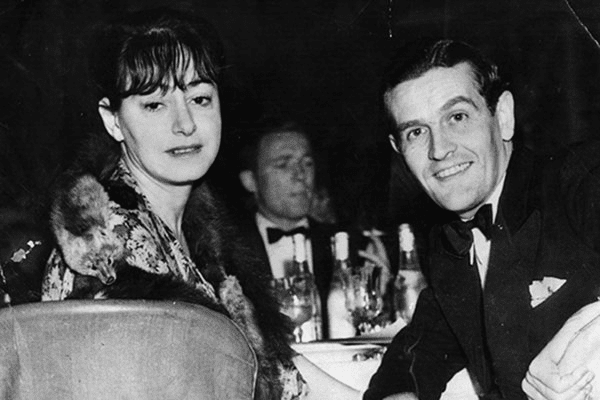
In 1918, Dorothy Parker began writing theater criticism for Vanity Fair, successfully stepping into the shoes of the renowned writer and humorist P.G. Wodehouse. During this period, she befriended humorist Robert Benchley and screenwriter Robert Sherwood. The trio became fast friends, lunching daily at the Algonquin Hotel, eventually forming the famous Algonquin Round Table. This informal group included reporters, newspaper columnists, and writers. Parker began publishing quotes from their conversations and short verses, quickly building her reputation as a witty wordsmith.
Parker’s theater reviews became notoriously sharp. In 1911, she was fired for insulting prominent playwrights and actors. In protest, Benchley also resigned.
Undeterred, the journalist began working for Ainslee’s Magazine. Her poems and short stories continued to appear in Vanity Fair, as well as other popular publications of the time, such as The Smart Set, The American Mercury, Ladies’ Home Journal, Life, and The Saturday Evening Post.
When Harold Ross founded The New Yorker in 1925, he invited Parker and Benchley to join the editorial board. Dorothy Parker’s article was published in the second issue of the new magazine. Her short, humorous verses became incredibly popular during this period.
The next 15 years marked the most successful and productive period in her writing career:
- Throughout the 1920s, she published around 300 poems in the country’s most popular publications.
- In 1926, her first poetry collection, “Enough Rope,” was released, selling 47,000 copies to widespread critical acclaim and enthusiastic reviews.
- The collection “Sunset Gun” was published in 1928, followed by “Death and Taxes” in 1931.
- Her short story collections, “Laments for the Living” and “After Such Pleasures,” were released in 1930 and 1933, respectively.
Alongside playwright Elmer Rice, Parker co-wrote the play “Close Harmony,” which premiered on Broadway in 1924. She continued to write reviews of other authors’ works, which were published in various American magazines.
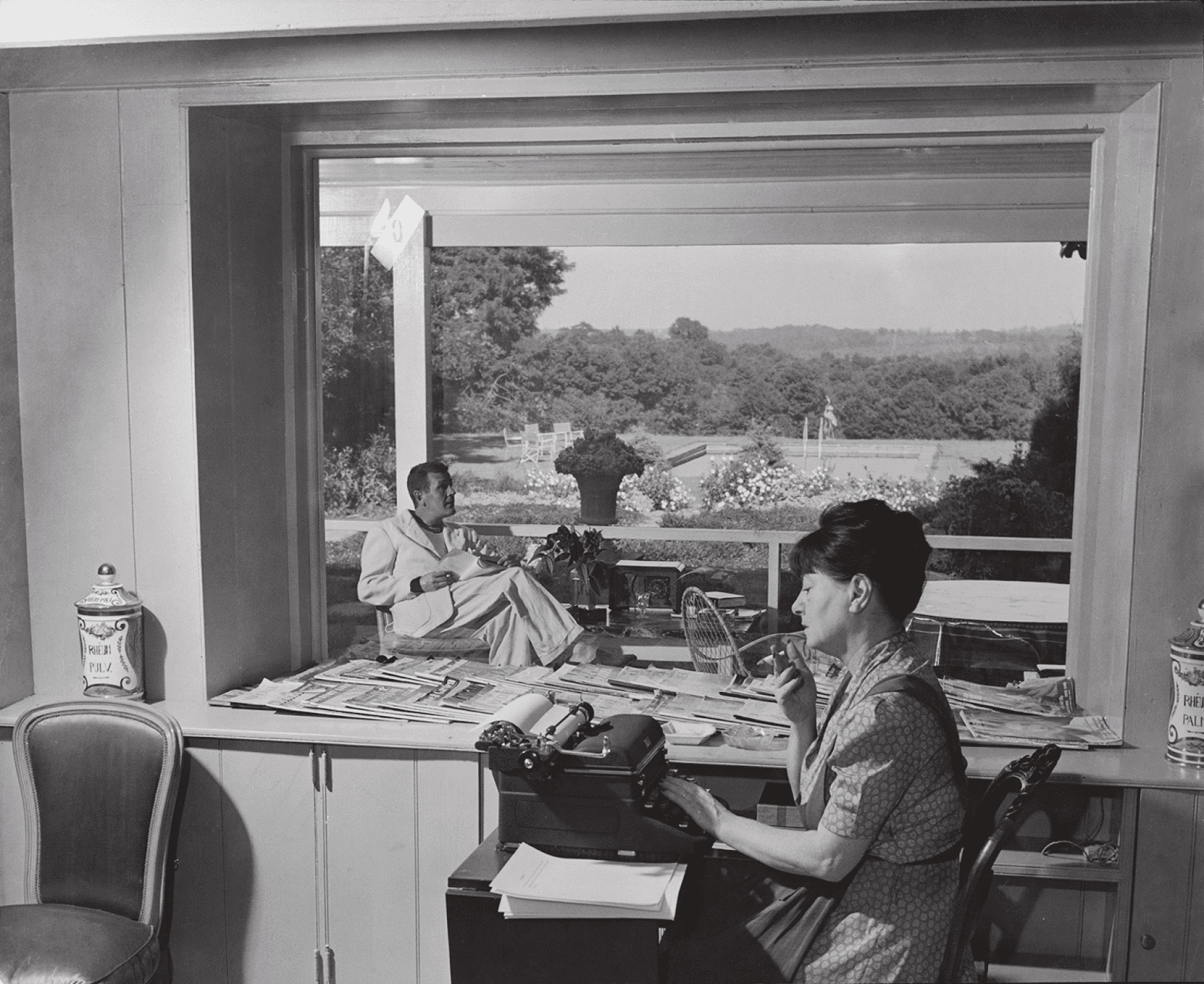
Parker’s short story “Big Blonde” became her most famous work, earning her an O. Henry Award in 1929. In general, her stories were concise, witty, and incisive, while her poetry was sardonic.
In 1928, Dorothy divorced her first husband. She subsequently had romantic relationships with reporter Charles MacArthur and publisher Seward Collins. During her relationship with MacArthur, she became pregnant. She underwent an abortion, which led to a period of depression. Parker even attempted suicide. In 1932, after the breakup of another unsuccessful romantic relationship, she attempted to take her own life a second time.
Conquering Hollywood
In 1932, Dorothy Parker met actor Alan Campbell, who aspired to be a screenwriter. Two years later, the couple married and moved to Hollywood. There, they signed contracts with Paramount Pictures. Campbell continued his acting career and began screenwriting, while Parker focused on crafting screenplays. She earned significantly more than her husband.
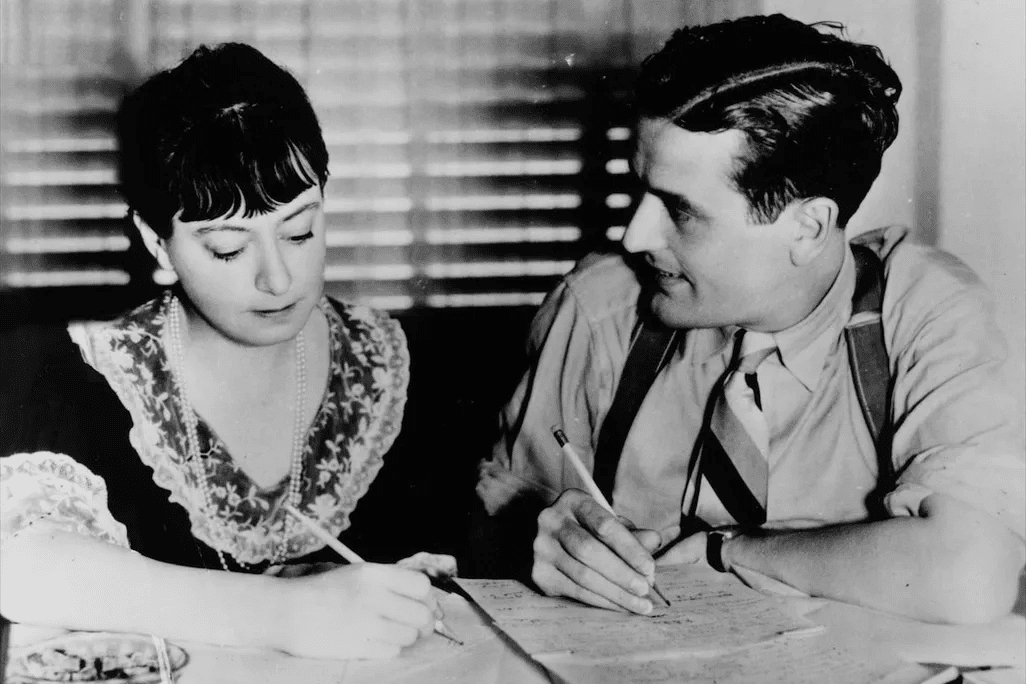
In collaboration with Campbell and Robert Carson, she co-wrote the screenplay for the film “A Star Is Born” (1937). The screenplay received an Academy Award nomination. Parker’s second nomination for this prestigious award came for the screenplay co-written with Frank Cavett for the film “Smash-Up, the Story of a Woman” (1947).
After the U.S. entered World War II, the writer began working on an anthology of her works as part of the “Viking Press” series for servicemen overseas. “The Portable Dorothy Parker” (1944) featured over two dozen short stories and selected poems. It was subsequently reprinted numerous times.
During this period, Dorothy Parker also became an active advocate for civil liberties, often criticizing powerful officials. As early as 1926, she helped found the Hollywood Anti-Nazi League, which the FBI suspected was a front for the Communist Party. Later, she headed the philanthropic division of the Joint Anti-Fascist Refugee Committee, “Spanish Refugee Appeal,” organized the “Rescue Ship” project, and managed the “Aid for Spanish Children” organization.
After the attack on Pearl Harbor, Parker sought to become a foreign correspondent, but her application was rejected for political reasons. The FBI compiled a massive dossier on her and labeled the writer a communist. Consequently, studio executives blacklisted her. Dorothy Parker wrote her last screenplay in 1949, an adaptation of Oscar Wilde’s play “Lady Windermere’s Fan.”
Final Years and Death
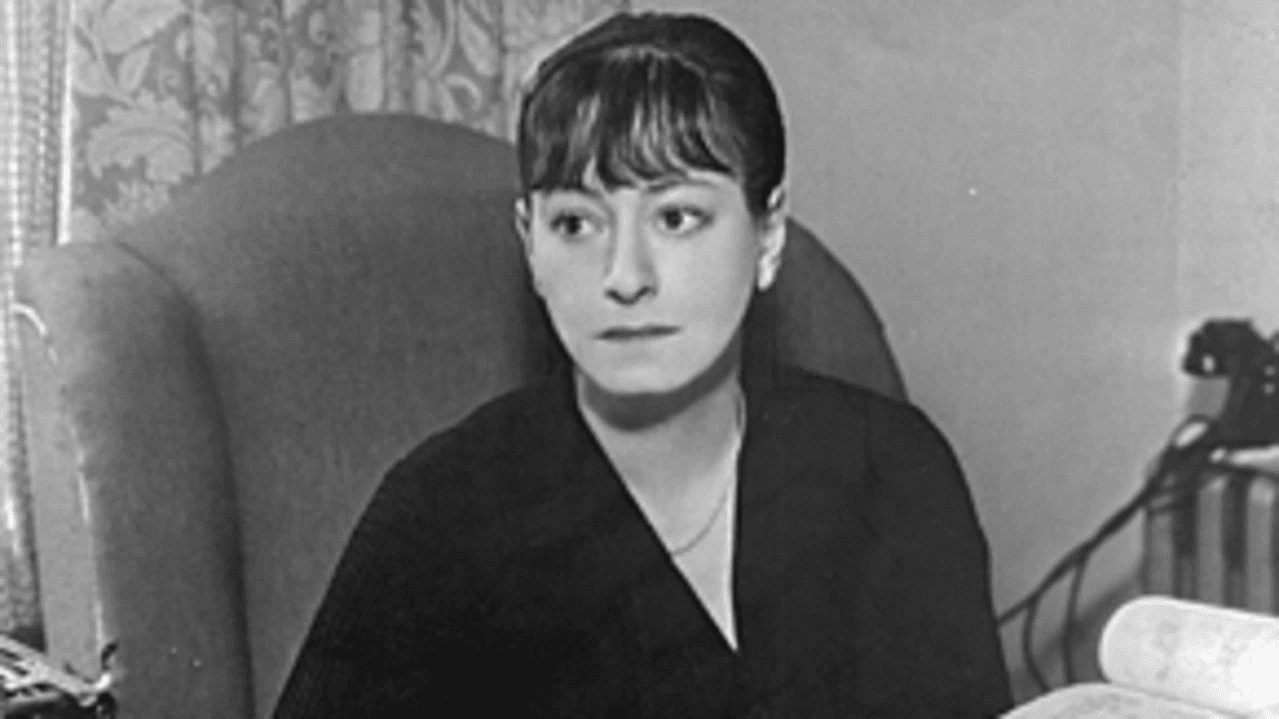
Parker and Campbell moved into a small apartment. They subsisted on royalties from her book sales and unemployment benefits. Moreover, her marriage to Campbell was strained. Parker began to abuse alcohol after discovering her husband was unfaithful and considered himself bisexual.
In 1947, they divorced. Three years later, they remarried, but in 1952, they separated for good, and Parker returned to New York. There, she wrote book reviews for Esquire. In 1961, she returned to Hollywood, reconciled with Campbell yet again, and collaborated with him, but in 1963, he died of a drug overdose.
Parker then returned to New York, living in hotels. Occasionally, she participated in radio programs and wrote for “Columbia Workshop.”
The renowned writer passed away on June 7, 1967, from a heart attack, at the age of 73. She bequeathed her estate to Martin Luther King Jr.