

The Monastery of the Precious Blood began its journey in New York City in 1890. Since 1910, it has been located on Fort Hamilton Parkway and remains the home of the sisters who adore the Precious Blood of Christ. This contemplative and largely cloistered community is a renowned prayer center, both within the city and far beyond its borders.
The order was founded in Quebec in 1861 by Mother Catherine Aurelia. Her goal was to establish an organization whose nuns would fervently pray for mercy for the entire world. Let’s delve deeper into the history of the New York branch, exploring its past and present on newyorka.
Founding the Monastery and Its Early Days in New York
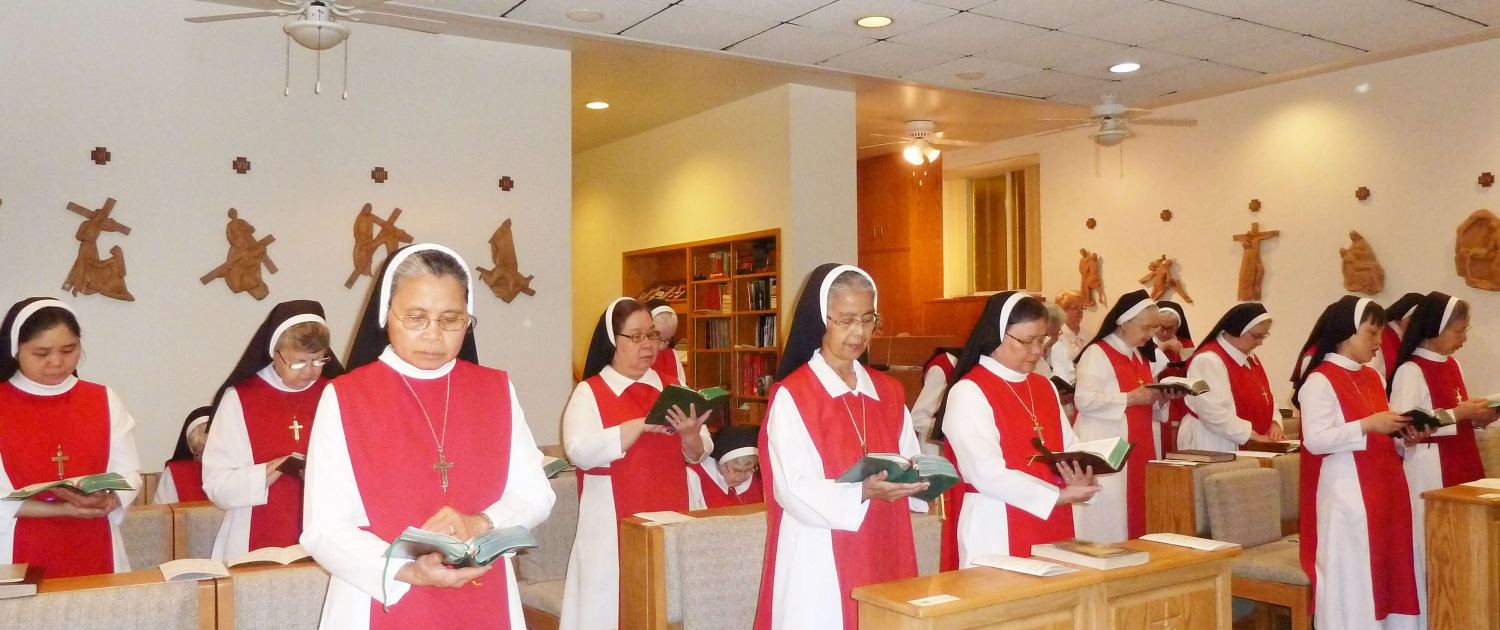
The Monastery of the Precious Blood was founded in Quebec in 1861. Initially, the community consisted of four nuns dedicated to a life of prayer. Gradually, the monastery grew, and by 1887, it had four branches in various Canadian cities.
In 1890, the nuns approached Brooklyn Bishop Loughlin, requesting permission to establish a branch in New York. After receiving his approval, a small group of nuns moved to Sumpter Street. The site of their first humble abode is now part of urban development.
A New Home for the Nuns
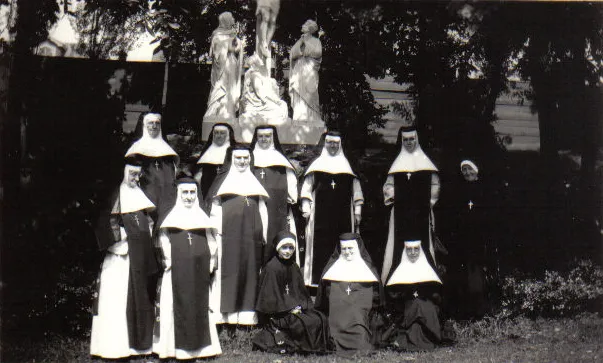
In New York, new nuns gradually began joining the order. The monastery grew, and the need for its own dedicated building soon became apparent. The nuns then began fundraising within the community, receiving support from both Catholics and people of other faiths.
This was quite an interesting phenomenon for New York at the time, as Catholics were still not widely embraced. However, the humble and cloistered Sisters of the Precious Blood, who moved silently through the city streets in their distinctive red habits, were quite popular. Their devotion to the suffering of Jesus Christ evoked genuine admiration and a desire to help them.
The wife of architect Rudolph Daus, who was slated to design the monastery, actively organized fundraising events. Along with friends, she held bazaars and charity concerts, donating all proceeds to the building fund. Other Catholic parishes also organized their own fundraising efforts to support the monastery.
With the support of the diocese, Catholics, and city residents, the nuns managed to raise enough funds to construct a new building on four plots at 212 Putnam Avenue. Prominent Brooklyn architect Rudolph Daus was appointed for the project. A devout Catholic, he had designed several other church buildings in the city, such as Our Lady of Lourdes Church and St. John’s Home for Boys on St. Marks Avenue. He was also responsible for the 13th Regiment Armory, a downtown telephone building, and various commercial, public, and hospital structures.
The Monastery of the Precious Blood building combined elegance with simplicity. A 12-foot brick wall enclosed its grounds on three sides, with only the front of the monastery visible from the street.
Upon completion of construction, the nuns held an open house and bazaar, a rare occurrence for their community. However, the sisters wished to show their benefactors how their money had been spent and to offer potential nuns a glimpse into the mysterious world of monastic life. The bazaar lasted ten days. Visitors explored the new premises, including the chapel, the nuns’ cells, the laundry, kitchens, dining room, common rooms, prospective nun quarters, and the infirmary. After the bazaar concluded, the building was consecrated, and the nuns resumed their customary life.
In their new home, they held various events for the faithful every Sunday and welcomed girls and women who wished to join the order and required appropriate training. During this period, the Monastery of the Precious Blood occasionally became the focus of fundraising efforts to support its activities. Most of the nuns never left its walls, but the community eagerly continued to support them.
Closing the Monastery Grounds to the Public
In May 1894, city newspapers announced that the Sisters of the Precious Blood would soon close their grounds to visitors. Before this, they held another bazaar and open house. So many people wanted to see the monastery from the inside that these events had to be extended for several days.
Afterward, the monastery closed its doors. The nuns undertook the restoration of their chapel, and following its renovation, they held a public Mass for its re-consecration. From then on, information about the nuns’ lives and activities could only be gleaned from news reports and their publications. Various fundraising events were held in the city to support the institution, and secular women favored charitable giving, assisting the monastery.
Although the grounds remained closed, a public Mass was held weekly in the monastery chapel. Occasionally, it was used for concerts, but the nuns did not attend. Thus, the order became even more enigmatic, continuing its mission withdrawn from the world.
A New Home for the Monastery
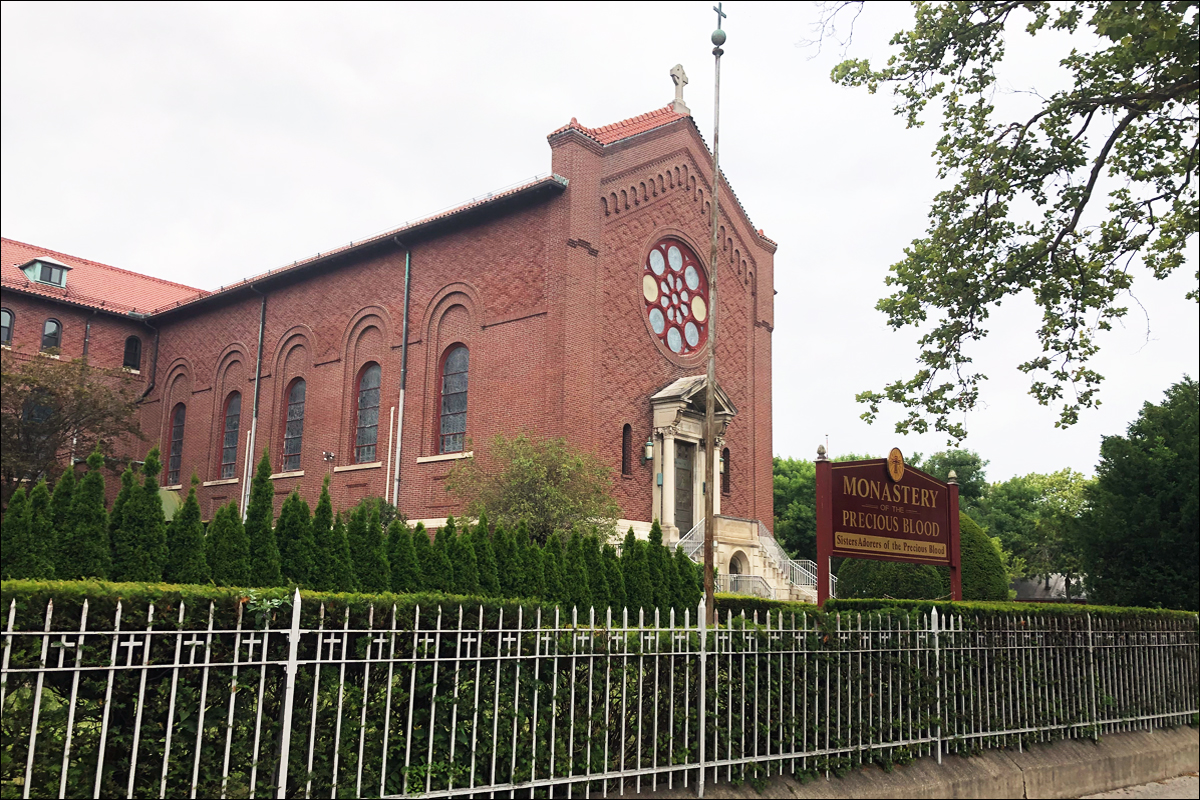
At the beginning of the 20th century, the Monastery of the Precious Blood once again needed a larger space. This time, the nuns aimed to move as far as possible from densely populated urban areas and build a monastery on Fort Hamilton Parkway in Borough Park. The city community, along with Catholic organizations and various societies, especially women’s groups, began raising funds for this project. Activists organized bazaars, lectures, concerts, and other events to gather money.
Plans for the new building were completed in late 1908, to be executed by the architectural firm “Reilly & Steinback.” The monastery was constructed of brick, granite, and limestone, and was twice the size of the previous one. The nuns moved in 1910 after the construction was finished and the premises consecrated. Here, they continued their quiet life and service to humanity through prayer, occasionally opening their doors to visitors.
As for the old building on Putnam Avenue, the plot was sold, and the monastery was demolished after the nuns moved to their new home. Subsequently, a complex of six-story apartment buildings was erected there, and the memory of the monastery building vanished without a trace.
However, this site remains a part of the history of the monastic community of the Monastery of the Precious Blood in New York. It was here that their early years of activity unfolded, making the inconspicuous and quiet nuns immensely popular. This laid the groundwork for the order’s further development and ensured its continued functioning for centuries to come.
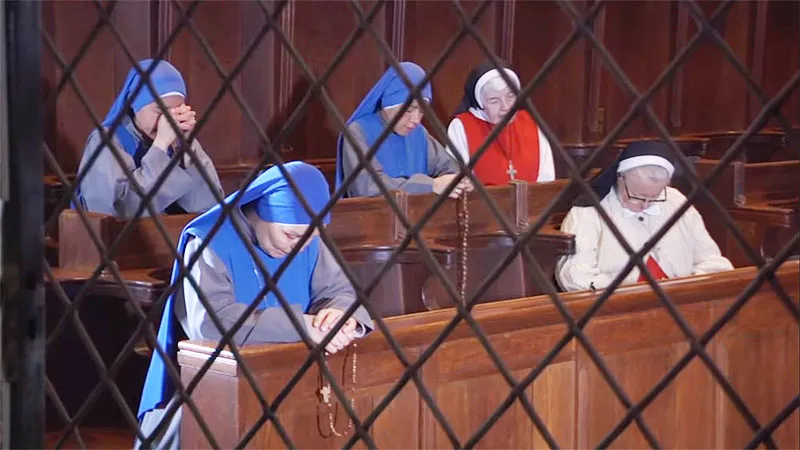
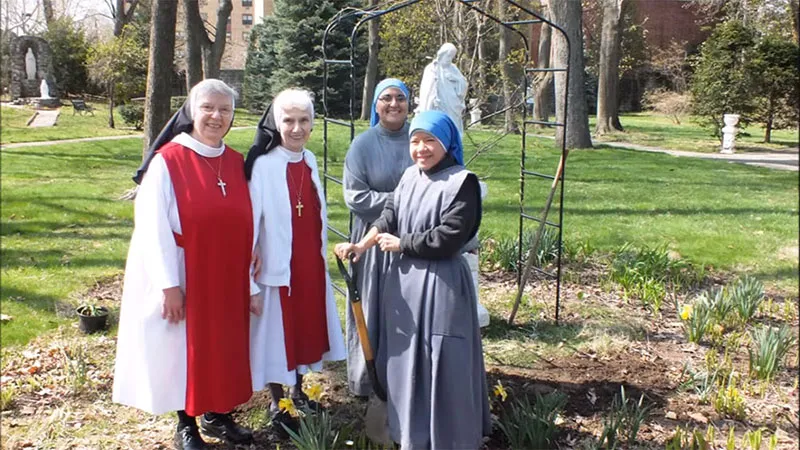
In 2011, the nuns of the Monastery of the Precious Blood invited the contemplative community of the Servants of the Lord to share their home. Since then, these two communities have jointly used the monastery grounds, and daily celebrate Holy Mass and other prayer hours together. Each group, however, adheres to its own particular rules and traditions. This is quite unusual but demonstrates the openness of the Precious Blood Sisters and their dedication to faith.
The nuns have published a book and produced a short film about their lives. So, anyone interested can learn more about them, but seeing their lives firsthand remains a very rare opportunity, as the nuns continue to live cloistered lives without drawing attention to themselves.