

American women weren’t officially allowed to join the U.S. Army until the end of World War II. However, women had always played vital roles in all wars prior to that. Starting with the American Revolutionary War, they cared for soldiers, maintained crucial support systems on the home front, and sometimes even joined the fight on the battlefield. The harsh realities of military camps were often familiar to women because they frequently accompanied their husbands to war. Such was the story of Margaret Corbin, who took her wounded husband’s place in battle. Discover the remarkable life of this courageous woman on newyorka.
Family and Early Life
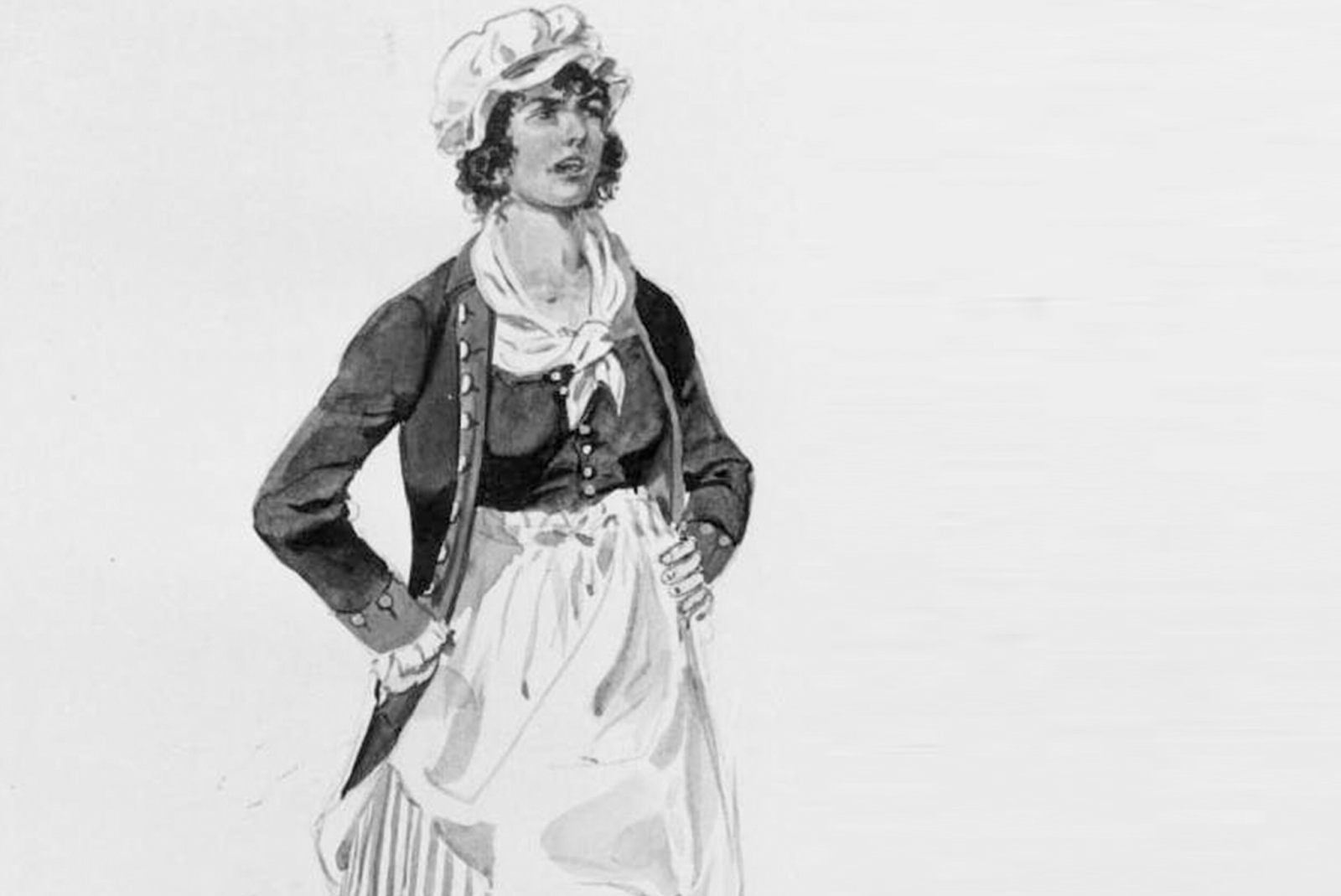
Margaret Cochran was born on November 12, 1751, in western Pennsylvania. Her father, Robert, had immigrated to the U.S. from Ireland, and her mother’s name was Sarah. When Margaret was four years old, a war began with local Native American tribes. The Delaware and Shawnee tribes allied with the French and started attacking English settlements, aiming to reclaim territories previously taken from them.
Following these events, Margaret’s parents sent her and her brother to their uncle’s home. Soon after, the Native Americans attacked their house. Her father was killed, and her mother was abducted. The children never learned what happened to her mother. Their uncle adopted and raised his niece and nephew.
Marriage and the American Revolutionary War
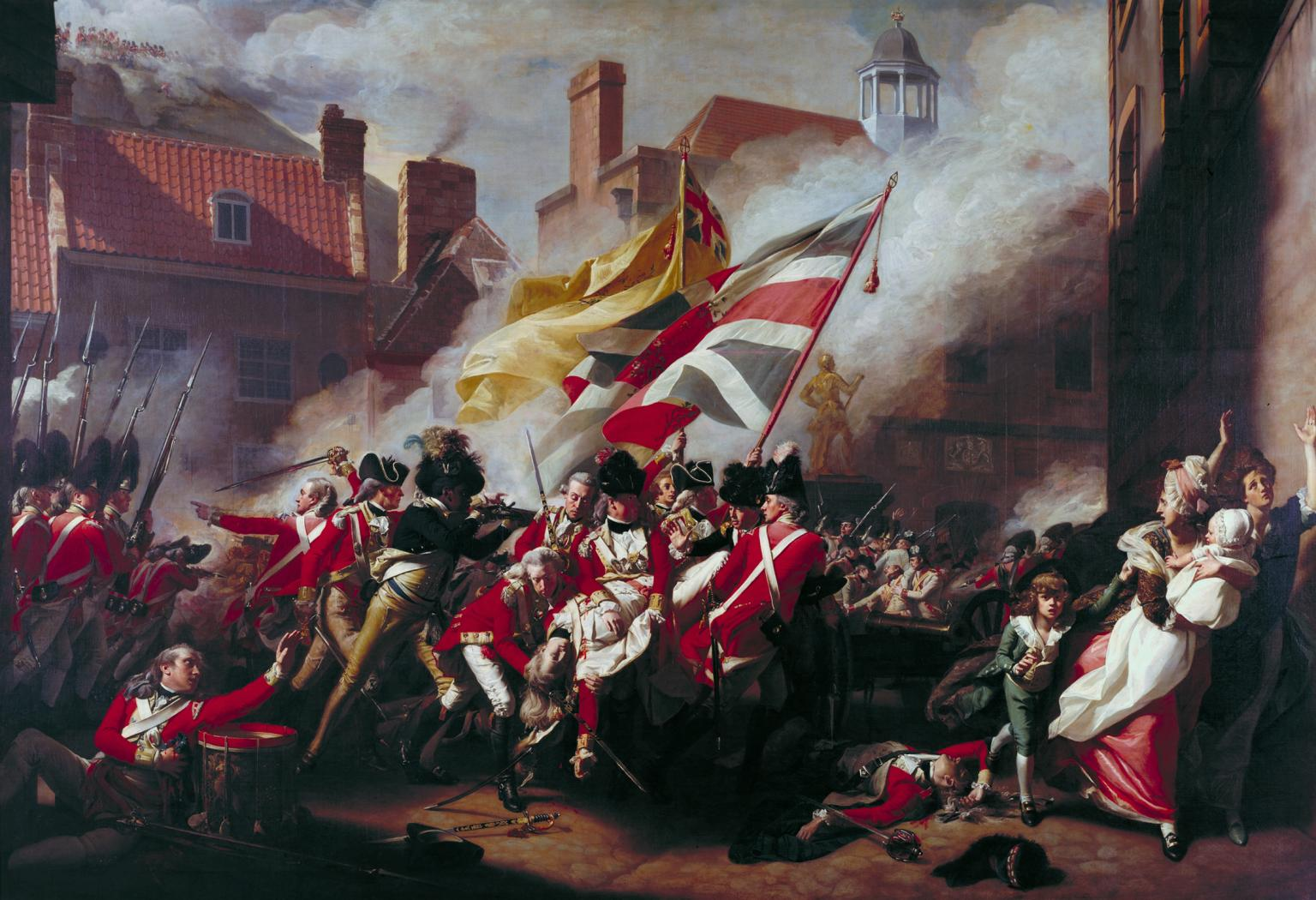
In 1772, 21-year-old Margaret married John Corbin, a farmer from Virginia. Their happy and peaceful married life lasted only a few years before the American Revolutionary War began. Pennsylvania immediately started recruiting soldiers to form the Continental Army, and Margaret’s husband decided to enlist.
Margaret, like many soldiers’ wives, faced a difficult choice. She could have stayed home and waited for John’s return, facing potential occupation, poverty, and hunger alone. The other option was to join her beloved and become an unofficial part of the Continental Army alongside him.
At that time, many women chose the second option. The term “camp followers” even emerged among the military, referring to the women and children who stayed with the army throughout the war. Their official numbers during the American Revolution were never recorded, but historians estimate the figure could have reached 20,000. It might have been fewer, but the phenomenon was extremely widespread.
This path was primarily chosen by women who had no other alternatives, such as wives and daughters of soldiers who didn’t want to remain alone at home. Life in the camps was challenging for them. They could cook, sew, and do laundry for the soldiers, earning a small wage. They ate from army rations, and their living conditions were the same as those for the men.
The reputation of these women was often questionable, with indecent rumors circulating about them. They were compared to men and considered coarse, dirty, and prone to drunkenness. General George Washington believed this phenomenon needed to be combated. He tried in every way to reduce the number of women who followed the soldiers, but he was unsuccessful. At the same time, he acknowledged that the presence of women generally had a positive impact on the army’s morale and prevented many soldiers from deserting.
Margaret Corbin’s Decisive Battle
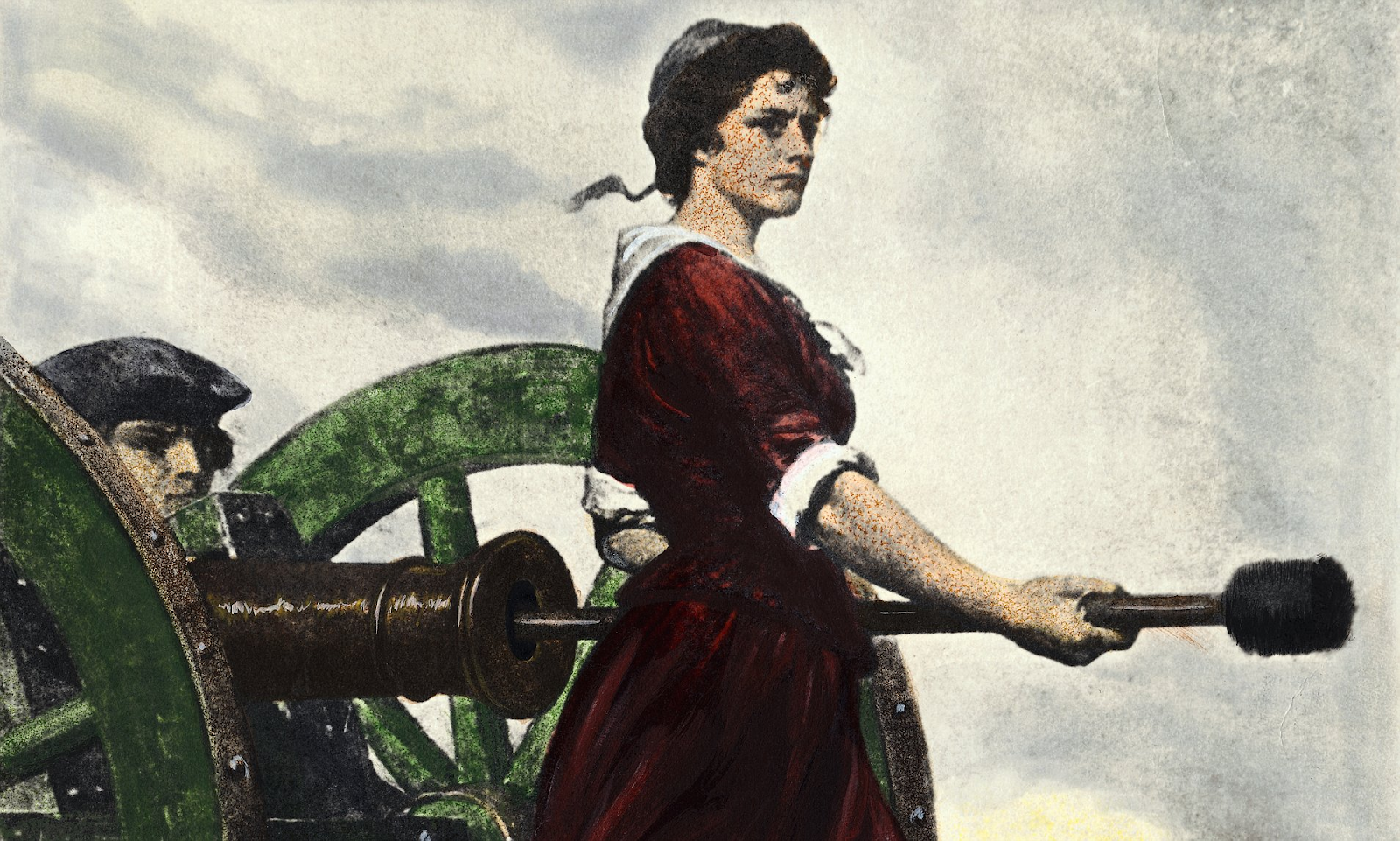
Along with other women, Margaret Corbin cooked, laundered clothes, and cared for the wounded. She earned the nickname “Molly Pitcher” because during battles, she brought water to thirsty soldiers, which was also used to cool overheated cannons.
In 1776, the regiment in which John Corbin served and Margaret was present moved to New York. The troops were stationed in northern Manhattan at Fort Washington. Soon after, British forces captured the city, leaving this fort as the sole American stronghold on the island. The decisive battle for it took place on November 16, 1776. In this battle, Margaret, like many other women, accompanied her husband.
John was responsible for loading the cannons. Along with other soldiers, he fired upon British ships as they moved up the Hudson River. In this battle, the British employed Hessian mercenaries, who were skilled and courageous warriors. As a result of their sudden attack, John and most of his comrades were killed.
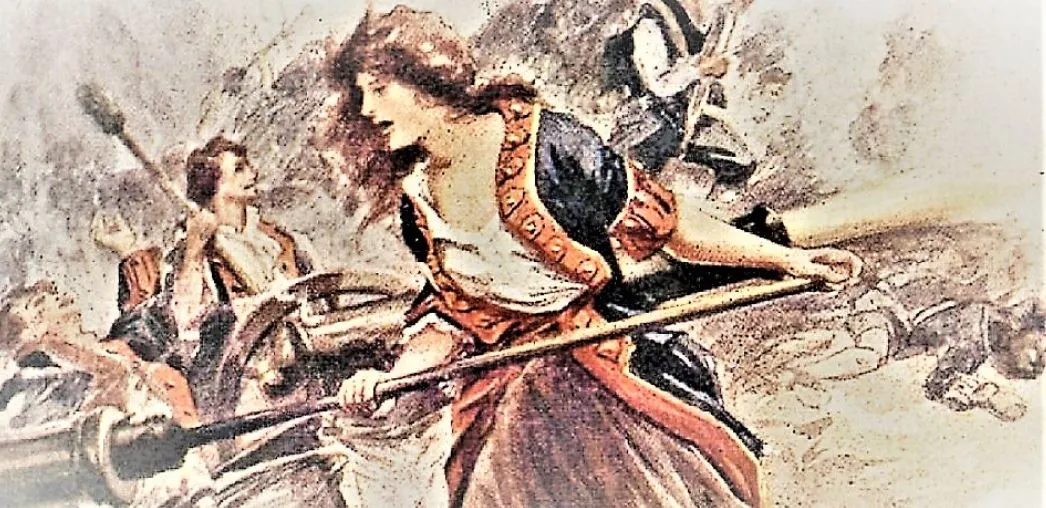
Margaret, who had been by her husband’s side the entire time, not only did not retreat to safety but began firing the cannon herself. She had watched her husband do it many times and was able to replicate his actions. She fired so accurately that the mercenaries halted their advance and focused on eliminating her. The woman was hit by three musket balls and grapeshot. Her left arm was almost severed from her torso, and her chest and face were wounded. Despite this, Margaret continued to fire until the very end.
When the British finally captured the fort, they found the woman in critical condition near the cannon. British doctors saved her, but her left arm remained paralyzed. When she was strong enough to travel, she and other wounded prisoners were paroled. After that, Margaret Corbin joined the army at West Point and continued to assist wounded soldiers.
The Brave Woman’s Later Life
Margaret’s situation after her husband’s death and her own injuries was extremely difficult. Due to her injuries, she couldn’t work fully or earn a living. Even daily household chores were burdensome for her. She had no family or anyone who could offer her shelter and financial support.
Furthermore, Margaret was quite difficult to get along with. She had rough manners and had become accustomed to drinking alcohol. Because of this, both men and women avoided interacting with her. Only the soldiers, alongside whom she had fought, remembered her courage in battle. Legends were told about her, and people tried to help her in any way they could.
In the summer of 1779, in recognition of her service, Congress awarded Margaret Corbin a **lifetime pension**. This was the first instance of official recognition by the American government of a woman’s military service. However, the payment amount was half that given to men in similar situations. Officers who knew of Margaret’s dire financial situation repeatedly appealed to Congress to review this decision. Eventually, the woman was granted additional aid for clothing and rum. General Henry Knox, who commanded the Continental Army’s artillery, provided Margaret with a personal servant to help her bathe and eat.
The woman was also placed on military rolls and assigned to the Corps of Invalids, which Congress established for wounded soldiers. Margaret Corbin was discharged from the army in 1783. Practically nothing is known about her later years. The brave woman died in 1800.
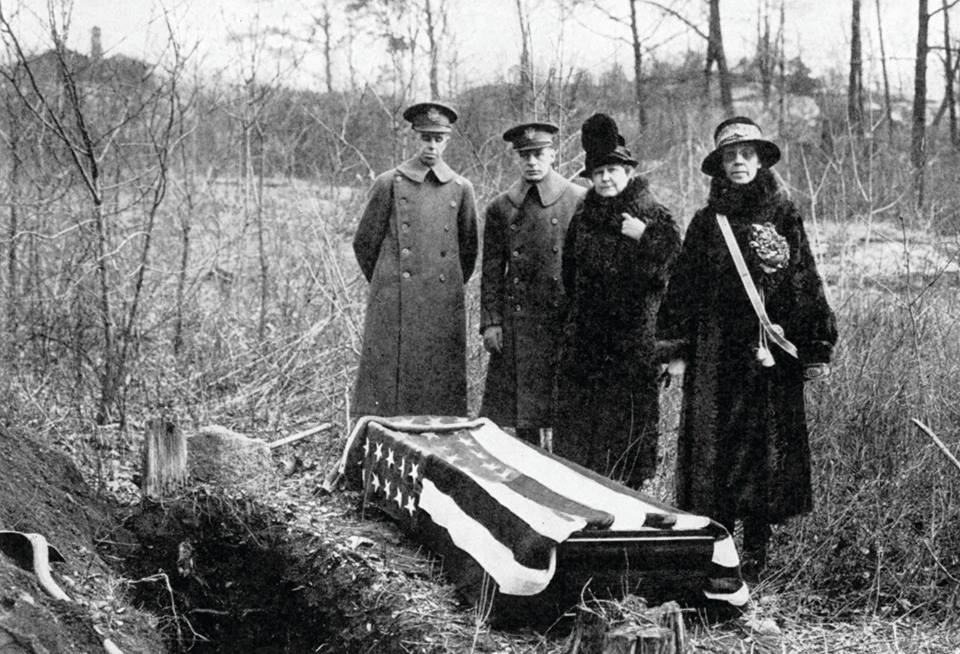
After her death, Margaret Corbin did not receive full military honors. It wasn’t until 1926 that the New York State chapter of the Daughters of the American Revolution verified and confirmed all information about her. Her remains were then reinterred with full military honors at West Point Cemetery, and a corresponding memorial was erected, making Margaret Corbin’s story widely known.