

Sorosis existed for over a century, survived two World Wars, raised funds for charitable causes, supported scholarships for women, and helped immigrant women learn English. Read on newyorka.info this story of this symbol of female solidarity, self-respect, and civic power that changed the face of America.
When Women Set Their Own Table: The Birth Story of Sorosis
In the second half of the 19th century, American women began forging a path into a world that stubbornly tried to keep them confined to the kitchen. They sought education, were interested in science, and became journalists and writers—and were increasingly unwilling to remain silent. In this atmosphere, an idea was born that changed the perception of female independence.
Journalist Jane Cunningham Croly, known by the pseudonym “Jennie June,” was one of the few women in the New York press. She wrote about life and fashion but dreamed of more—of a column where she could discuss literature, art, or politics. Her talent and ambition were long unrecognized because “serious” topics remained exclusively male territory.
In 1868, Croly became a member of the New York Press Club. Yet, when Charles Dickens was invited there, she and other female journalists were denied the right to attend. Only after protests did the men agree to let the women in, but under a humiliating condition: they had to sit behind a screen so they couldn’t be seen.
Croly refused:
“We will form a club of our own,” she said, “we will make speeches, and we will not invite a single man.”
Other prominent women joined Croly—writers Fanny Fern and Josephine Pollard, journalist Kate Field, editor Ellen Demorest, and poets Alice and Phoebe Cary. Membership was honorary and required an oath, a vetting process, and a five-dollar fee—an amount that, at the time, indicated the seriousness of one’s intentions.
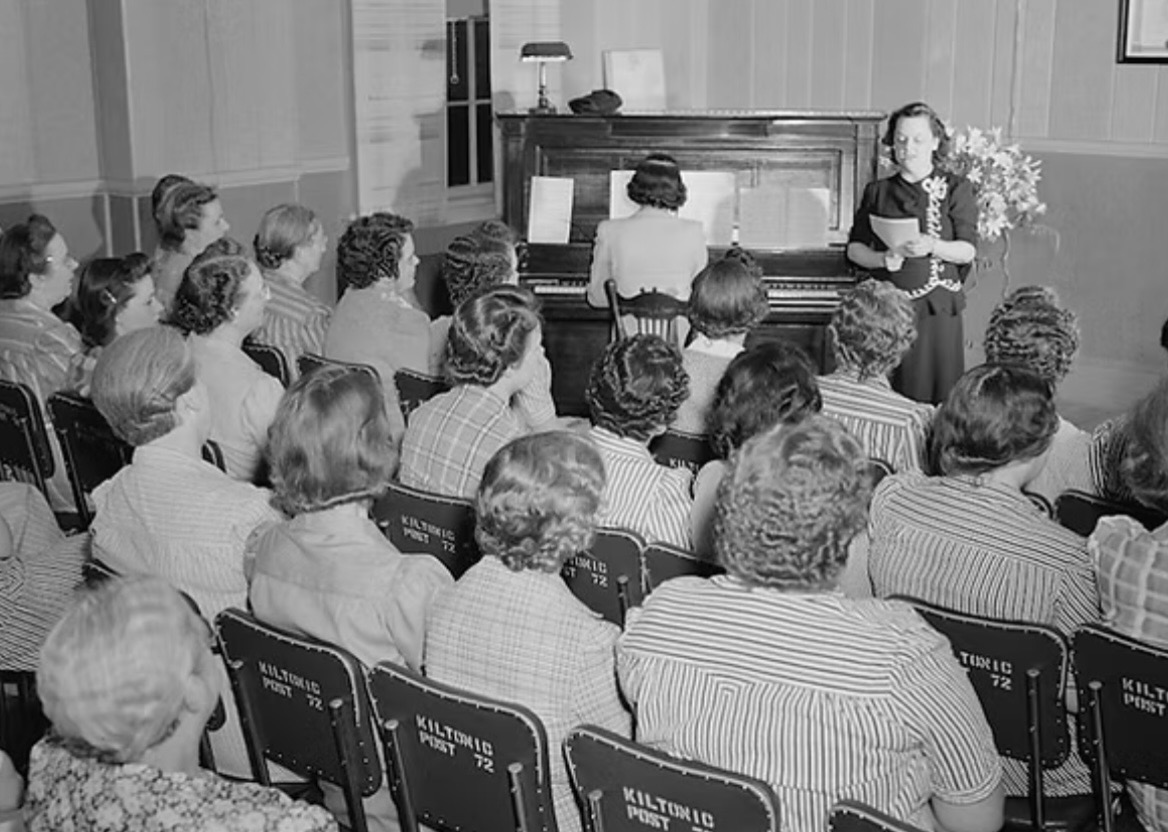
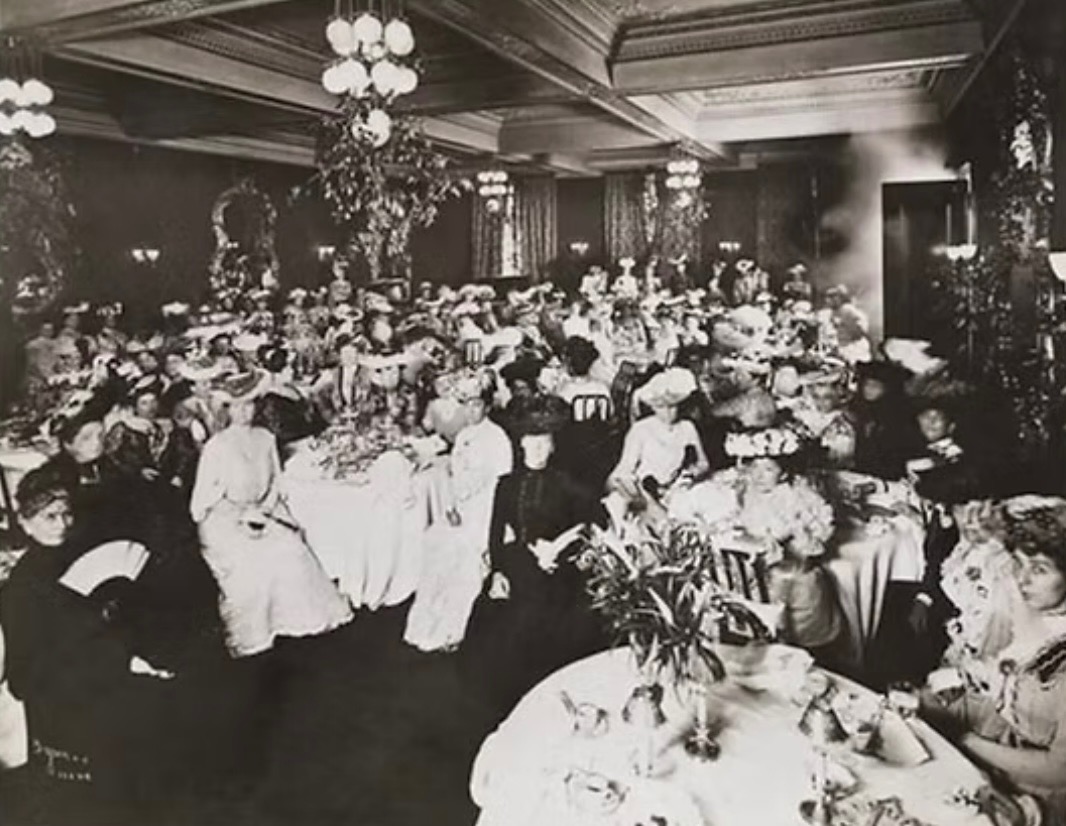
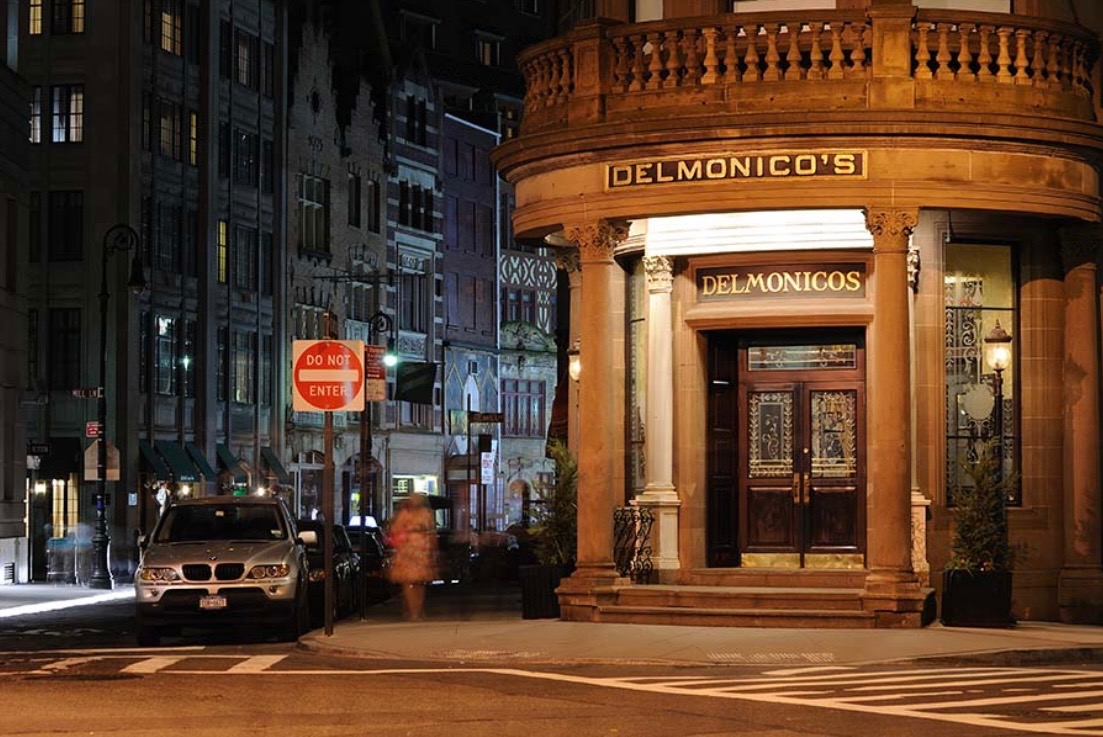
On April 20, 1868, twelve women sat down at a table at Delmonico’s restaurant—the most prestigious establishment in New York, the same one where men had honored Dickens just days before. Their dinner was a true act of defiance; at the time, respectable women never dined publicly without a male escort. The mere fact that they had gathered independently was a revolutionary act. Croly believed that women should apply their knowledge and skills to societal life:
“If we can keep house, we can take care of the city.”
Just one year after their rebellious dinner, Sorosis members were invited back to Delmonico’s as honored guests. And the first toast raised that evening sounded like a prophecy:
“To the women’s kingdom: if it has not yet come, it is about to arrive.”
And indeed, after that dinner in 1868, women never stayed behind the screen again. Sorosis became a space for education, self-development, and civic activism. Despite press ridicule, the club grew rapidly. Within a year, it already had over 80 members—writers, historians, teachers, and artists. Sorosis inspired women across the country to create similar organizations, from Boston to San Francisco.
And when men once asked to be admitted to the club, the response was ironic but firm:
“We recognize that your gender is not your fault, but Sorosis is still too young for a gentleman’s society. Principles, not men, is our motto.”
Name, Structure, and Ideals of Sorosis
The name Sorosis has an interesting and layered origin. The word is borrowed from Latin and literally means “aggregation”—as in the botanical term for fruits that form from several fused flowers, like the pineapple. At the same time, the name echoes the Latin soror—”sister”—emphasizing the spirit of sisterhood and unity. Jane Croly meticulously searched dictionaries and chose the name for its full meaning, harmonious sound, and symbolism, which accurately reflected the club’s ideals.
The club’s structure was well-thought-out. Monthly, with the exception of the summer recess, members participated in symposiums on literature, science, philosophy, art, drama, and education. Committees were formed for each symposium to conduct research and preparation, and the results were presented annually at a special meeting. The club’s business meetings took place every two weeks after the symposiums, ensuring regular coordination and support for internal organization.
The ideology of Sorosis was characterized by a certain conservatism. Although suffragists were among its members, the club did not place an active campaign for voting rights at the center of its activities. Instead, attention was focused on reforms in education, health, temperance, improving clothing, and protecting the rights of working women.
A Movement That Changed America
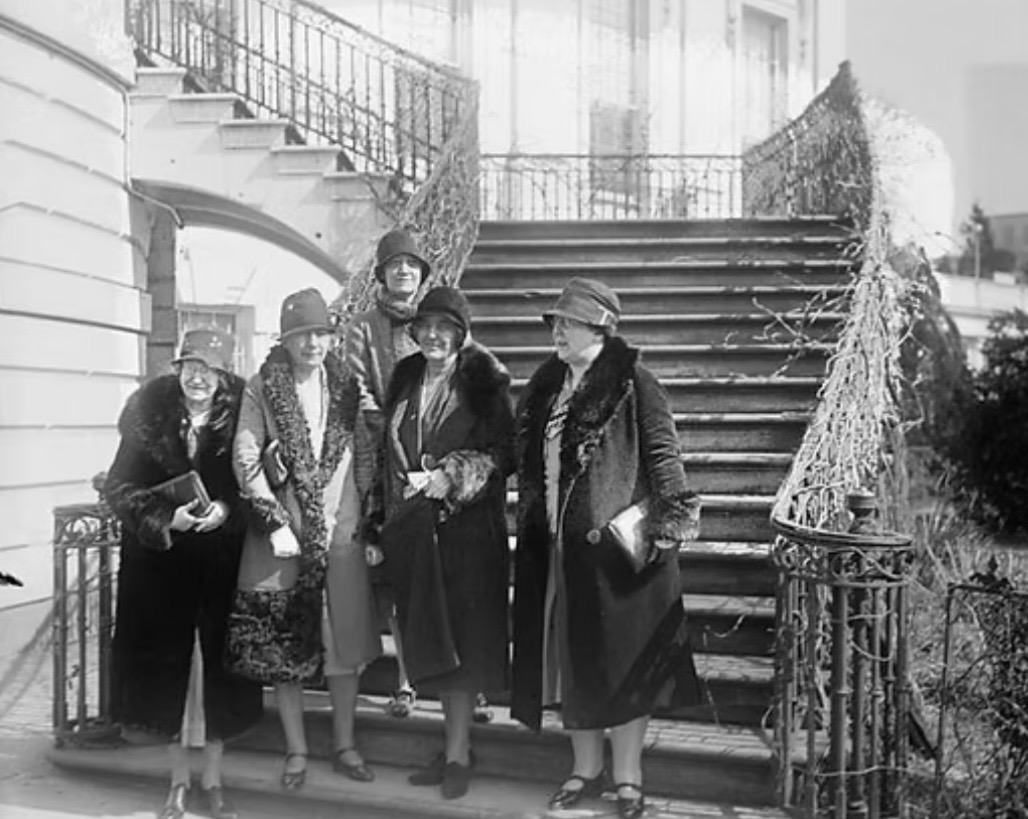
In 1890, the Sorosis club took a step that permanently changed the history of the women’s movement in the U.S. That year, the organization invited representatives of other women’s clubs to New York for a founding convention. 63 clubs from across the country responded to the call, and it was from this meeting that the General Federation of Women’s Clubs (GFWC) was born—a powerful coalition that united thousands of women around a common goal: social and political reforms at the local, state, and national levels.
By the end of the 19th century, women’s clubs had spread across the entire country, creating networks of mutual support and education. They became drivers of social change, supporting campaigns for suffrage, the abolition of slavery, the fight against poverty, and later participation in war efforts during World War I. What began as a small society of educated ladies transformed into a mass movement of civic activism.
Nevertheless, the history of women’s clubs was not flawless. They remained predominantly white and middle-class, often distancing themselves from women of color and working-class women. Only in the 1960s did more integrated, racially open organizations begin to emerge. These clubs became vital centers for education, leadership, and activism in their communities, preserving the same spirit of self-support with which Sorosishad once begun.
Paradoxically, even decades after Sorosis was founded, change came slowly. Even in the 20th century, women could be denied entry to a restaurant simply because they arrived without a male escort. Only with the growth of the 20th century and the increase in the number of working women did the situation gradually change. However, even in the 1960s, restaurants could still refuse women the right to sit at a table.
In honor of the 150th anniversary of the first Sorosis meeting, the legendary New York restaurant Delmonico’s, where it all began, restored its 19th-century menu. For one week, visitors could taste beef consommé with Madeira, aspic jelly, soft-shell crabs, and rice pudding with crème brûlée—the very dishes that might have been on the founders’ table.
Achievements of Sorosis Members
The women who united in Sorosis achieved impressive success in various fields.
- Literature and Journalism.
Ella Maria Dietz Clymer was a poet and stage actress. She adapted Faust for the English stage and published a number of poems, including The Triumph of Love (1877), The Triumph of Time (1884), and The Triumph of Life (1885). She served as the president of Sorosis for two years. Eliza Putnam Heaton worked as a journalist and editor, creating the first daily news column about women’s movements, which ran in 1891.
- Scientific and Medical Achievements.
Jenny de la Montagnie Lozier was a physician for 12 years and actively worked in Sorosis as chair of the science committee, chair of the philosophy committee, and corresponding secretary. She later became the club’s president. In 1889, Lozier represented women’s education in medicine at the International Homeopathic Congress in Paris, and her paper was printed in full in the official proceedings. Phoebe Jane Babcock Waite, a physician and professor of obstetrics at the New York Medical College and Hospital for Women, headed the hospital staff, later becoming the college dean and a member of several professional societies, including Sorosis. Anna Manning Comfort, the first woman to practice medicine in Connecticut, defended women’s rights to education and wrote works on women’s health, notably the book Woman’s Education and Woman’s Health (1874).
- Achievements in Business.
Alice Houghton was a successful broker and founded her own real estate, insurance, and investment firm, Mrs. Alice Houghton & Co., and also managed the Women’s Department of the Columbian Exposition. She headed the Sorosis chapter in Spokane.
Among the members of Sorosis were poets, writers, journalists, activists, doctors, philanthropists, and entrepreneurs. Through their activities, Sorosis became more than just a social club; it was a platform that fostered the development of leadership, education, and professional achievement for women in the U.S.
This is the story of how a small act of defiance became the beginning of a major change. From a dinner of twelve women at Delmonico’s grew a national movement that united thousands of activists, educators, writers, doctors, and philanthropists. Sorosis showed that women’s education, work, and leadership are not a challenge to tradition but a contribution to the development of society.