

For decades, it has remained a leader in professional education, offering unique specializations—from menswear and cosmetic science to fashion business management, spatial experience design, and even toy design. Read on newyorka.info for more about the history of this educational institution, its star alumni, and its program features.
How a Small Fashion School Became a Cultural Beacon of New York
In the 1940s, the New York fashion industry faced a problem: the younger generation aspired to become doctors and lawyers rather than tailors and designers. To maintain the industry’s vitality, a group of leading specialists, spearheaded by educator Mortimer Ritter and former menswear manufacturer Max Meyer, decided to create their own school. Thus, the Fashion Institute opened its doors in 1944, enrolling the first 100 students. The program combined clothing, hat, and textile design with scientific management and liberal arts, preparing students not only for creative but also for business careers.
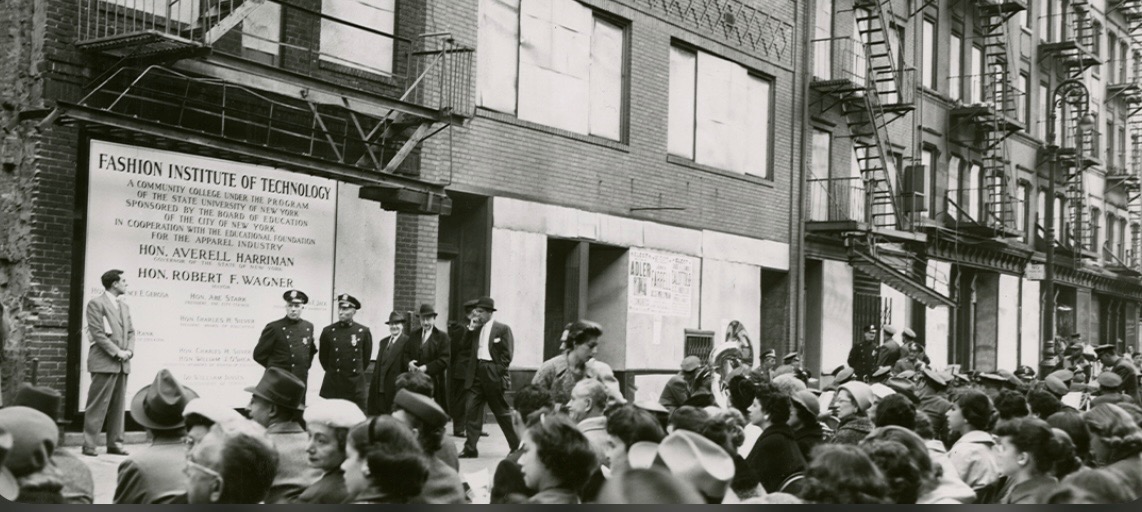
The desire to give the industry more prestige and expand educational opportunities led to the Fashion Institute of Technology (FIT) becoming the second community college in the SUNY system and beginning to award the Associate in Applied Science degree. By the early 1960s, the college already had 4,000 students, and the curriculum extended far beyond traditional fashion, including photography, advertising, and interior design.
In the 1970s, FIT expanded its academic horizons. Through lobbying state legislators, the college gained the right to award bachelor’s and master’s degrees, a rarity for a public institution at the time. The campus grew with new buildings, dormitories, and the Shirley Goodman Resource Center, which houses the library and museum, as well as labs and studios for practical research, including the first fragrance laboratory in the U.S.
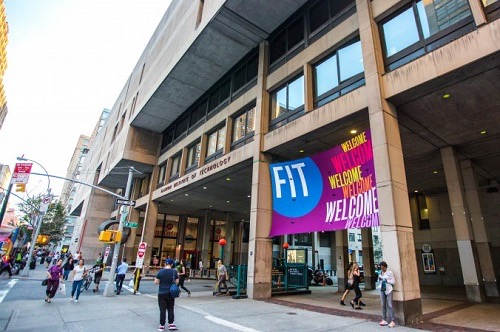
Today, FIT occupies an entire Manhattan block and educates over 8,000 students. The college has transformed into a true center for creativity and innovation that is shaping the future of the fashion industry and related fields in the U.S. and worldwide.
What FIT Teaches: Creativity and Career Side-by-Side
FIT offers students nearly 50 majors, covering the entire spectrum of creative and business disciplines. The college is divided into several schools:
- The School of Art and Design offers seventeen fields;
- The Jay and Patty Baker School of Business and Technology offers ten;
- The School of Liberal Arts and Sciences and the Graduate Studies offer bachelor’s and master’s degrees in art history, museum studies, film and media, and professional art programs.
The college prepares students for careers in diverse areas: fashion, advertising and marketing, film and media, computer animation, graphic design, textiles, business management, toy design, and cosmetics.
One of the college’s main features is its close connection to industry and practice. Courses are often led by working professionals, allowing students to learn contemporary techniques and methods that are genuinely used in the industry.

Among the programs, the following stand out:
- Fashion Design—the flagship program that graduates leading designers;
- Textile Design—the art and technology of fabrics;
- Fashion Business Management—combining creativity with business acumen;
- Advertising and Marketing Communications—branding and storytelling;
- Accessory Design—from footwear to handbags;
- Interior Design, Toy Design, Visual Presentation—expanding creative boundaries;
- Fine Arts and Illustration—developing artistic skills;
- Cosmetics and Fragrance Marketing—a unique, internationally recognized program.
FIT combines a vibrant campus, a creative community, and a rich cultural experience, supporting student diversity, numerous clubs, and events.
The FIT Campus: The Heart of Creativity in Manhattan
The FIT campus occupies nine buildings in Midtown South Manhattan, where modern architecture blends with the creative energy of students and faculty. It features classrooms, TV and radio studios, design workshops, laboratories, and exhibition galleries, as well as a conference center for fashion shows, lectures, and special events. Two large theaters (Haft Auditorium and Katie Murphy Amphitheatre) host performances and student presentations.

Housing and student life are also integrated into the campus. Four residence halls, three of which are on the FIT grounds, accommodate over 2,300 students.
FIT’s academic spaces are strikingly diverse:
- The Pomerantz Art and Design Center is equipped with photography studios, sculpture and printmaking workshops, graphic labs, and modeling studios where students bring their ideas to life.
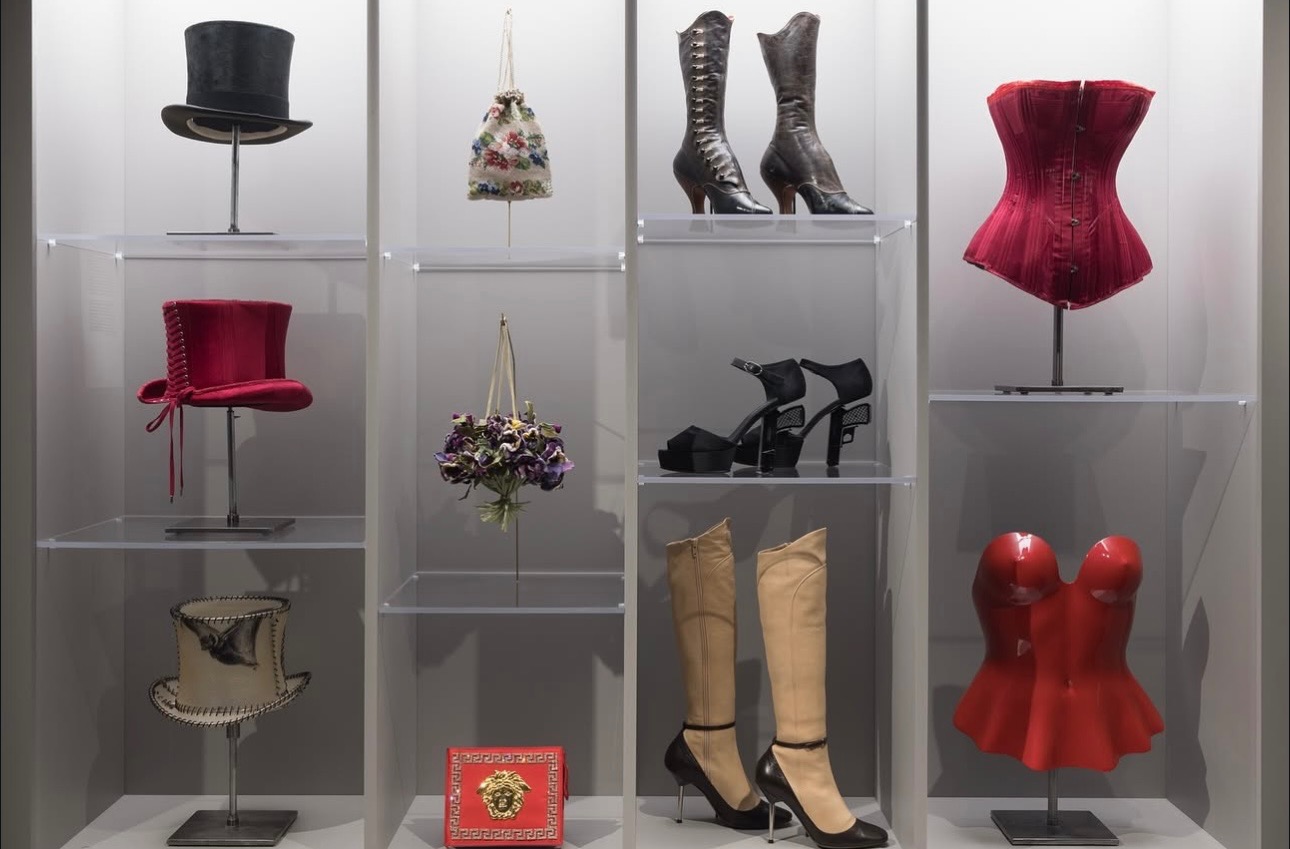
- The Shirley Goodman Resource Center unites the FIT Museum and the Gladys Marcus Library with collections of books, periodicals, sketchbooks, and designer and manufacturer archives.
- The Lighting Design Lab is equipped with 400 commercial light fixtures for teaching and research projects.
- The Annette Green Fragrance Lab allows students to create their own perfume compositions.
Many buildings are named after prominent individuals who made significant contributions to FIT’s development. The David Dubinsky Student Center honors the union leader who supported fashion industry workers. The Marvin Feldman Center is named after the college’s fourth president, during whose tenure FIT began offering bachelor’s and master’s degrees and significantly expanded the campus.
In 2025, FIT announced the opening of a new academic building, named after the institution’s long-serving president, Joyce F. Brown. The decision to name the building in her honor was unanimously supported by the FIT Board of Trustees—a recognition of her 27 years of leadership that fundamentally transformed the institute.
The new building, located on West 28th Street between Seventh and Eighth Avenues, is designed as a space for creative growth, innovation, and new opportunities.
“This building was designed to bring students, faculty, and industry together,” said President Joyce F. Brown. “It is a symbol of life-changing opportunity and a great result of the partnership between the city and state in investing in public higher education. I hope that future generations of leaders will use this space to foster a creative community, research, innovation, and make a lasting impact on the global economy and the world.”

The building, designed by SHoP Architects, has ten stories and over 100,000 square feet of space. The glass façade symbolizes FIT’s openness and its connection to the city’s fashion district. Inside are 26 classrooms and studios, administrative offices, and the largest educational knitting lab in the U.S. One of its unique features is a spacious student lounge with a 20-foot ceiling—the first interior space at FIT specifically designed for informal interaction. The building was developed with environmental standards in mind and is projected to receive LEED Gold certification.
Governor Kathy Hochul emphasized:
“The new Joyce F. Brown Academic Building secures FIT’s place at the intersection of creativity, innovation, and opportunity. And New York is the perfect place for such an event.”
The new space provides students and faculty with the resources necessary for creative growth, collaboration, and the development of future leaders in the fashion, design, and technology industries.
Creative Talent and Fashion Legends
The Fashion Institute of Technology is a talent incubator where creativity meets professional excellence, and students turn their dreams into real projects and brands that become known worldwide.
FIT is known for its high standards. It is an accredited member of the Middle States Association of Colleges and Schools, the National Association of Schools of Art and Design, and the Council for Interior Design Accreditation. It not only teaches art and business but also researches branding, retail positioning, and industry trends, preparing students for the highest levels of professional play.
FIT has nurtured a constellation of stars in the fashion industry and culture. From those who create world-renowned brands to those who transform art and film—they all started here:
- Calvin Klein—a designer whose name has become synonymous with style and modernity;
- Michael Kors—a brand creator with global influence;
- Norma Kamali, Reem Acra, Brian Atwood, Dennis Basso, Francisco Costa, Nanette Lepore, and others—those who shape contemporary fashion;
- Laverne Cox, Melissa McCarthy, Karen Allen, Joel Schumacher—stars who conquer stages, screens, and people’s hearts.
Each of them, whether they continued their studies to earn a degree or not, carries the spirit of FIT—determination, creativity, and the desire to leave a mark on the world.
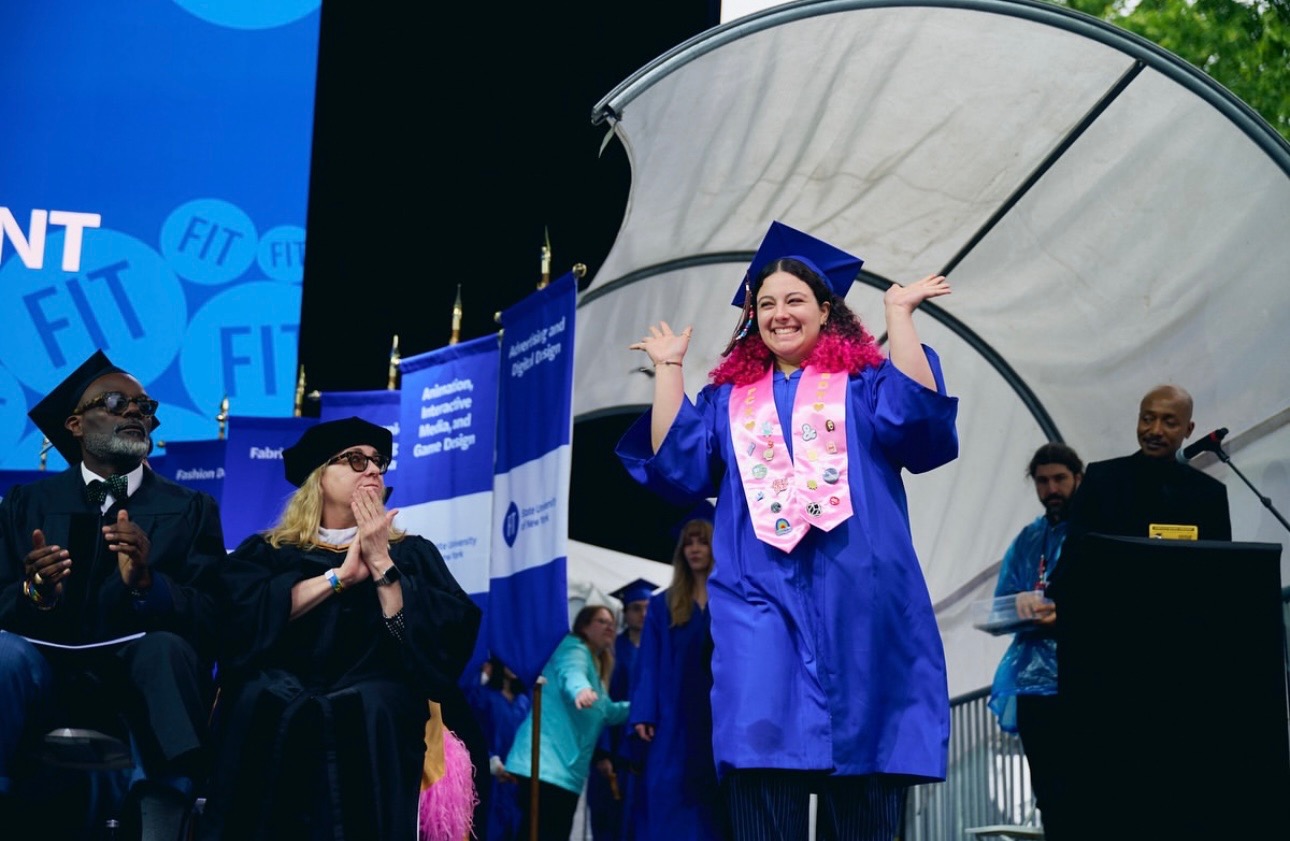
FIT is more than a college. It is a living part of the city where new trends are born, energy thrives, and every student gets a chance to become who they always dreamed of being—a designer, innovator, or leader capable of leaving a footprint on the world.