

A girl from a farm who created a global fashion brand, maintaining courage, practicality, and a touch of family adventure in her heart. Tory Burch’s career is a story of how combining talent, perseverance, and heart can change not only fashion but also the lives of thousands of people. Her path began with a small boutique but eventually grew into a global brand and a platform for supporting women entrepreneurs. Read on newyorka.info for more about the life and career of this inspiring woman.
How Tory Burch’s Personality and Aesthetics Were Shaped
Tory Burch was born in Valley Forge, in an antique Georgian farmhouse that had stood there for over two and a half centuries. Her childhood was spent among the green hills of the National Historical Park and in the company of three brothers, but the Burch family was far from the classic American suburb. Her mother, Reva, was a refined Jewish woman with an artistic soul and a passion for gardening. Her father, Ira Earl Robinson, inherited a fortune and a stock company, drove a tractor in a pink shirt and expensive John Lobb loafers—an aesthete to his fingertips.
The house was constantly filled with eccentric guests, animals, friends, and friends of friends. Once, a dog trainer who had simply come for a short stay remained for six years. Despite the wealth and eccentricity, the atmosphere was warm and creative—it was here that Tory’s independent spirit was born.
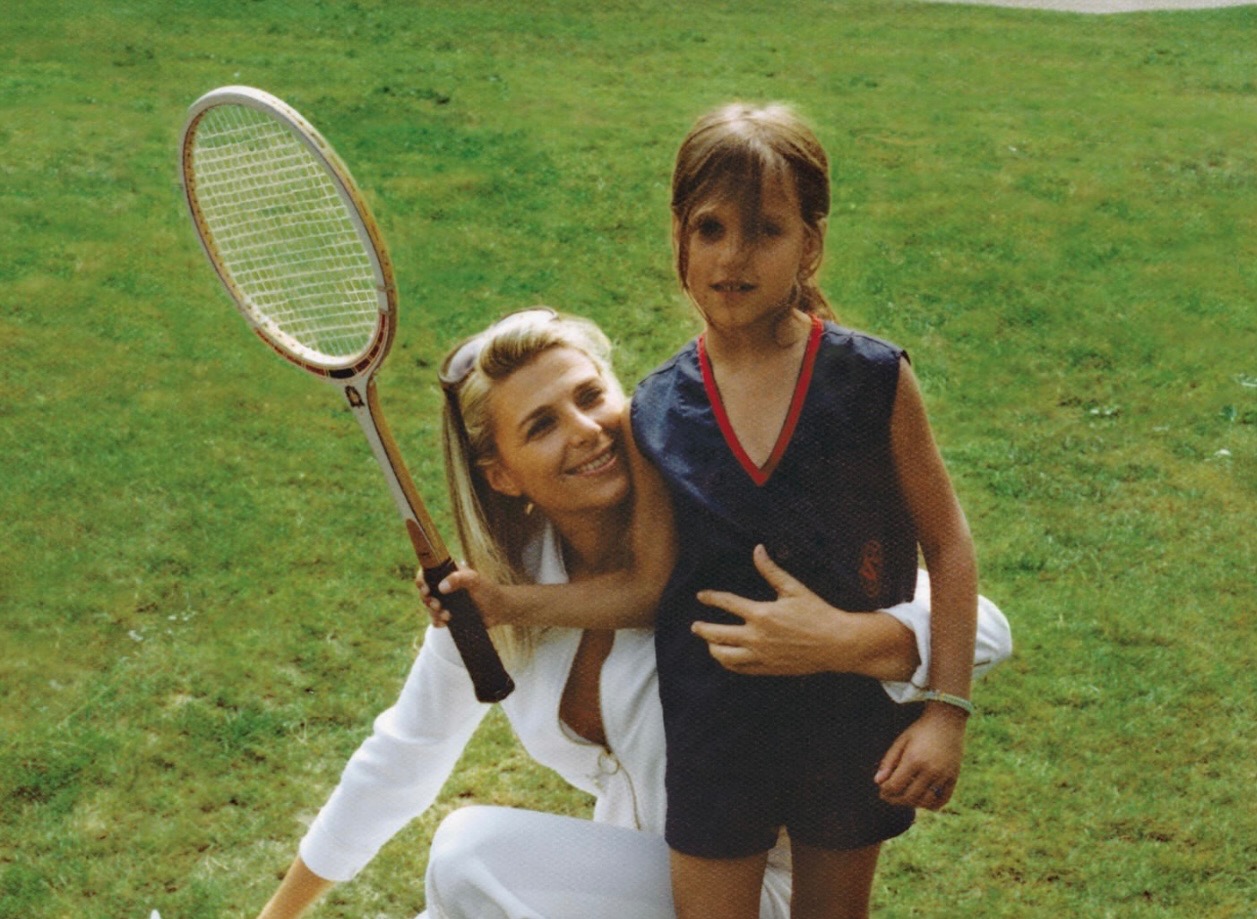
She attended the Agnes Irwin School in Rosemont, driving there every day, but always asked the driver to drop her off two blocks away so no one would see that she had a chauffeur. For her graduation, Tory wore a Saint Laurent dress with a pink sequined bodice—a hint of her future style.
At 19, the girl went to work at a fish processing plant in Alaska, and while studying at the University of Pennsylvania, she embarked on a global journey as part of the “Semester at Sea” program. Spain, India, Egypt, China—countries where she first saw not only the beauty of the world but also deep poverty. This experience changed her internally and taught her accountability for her own privileges.
After graduating from college, Tory moved to New York, where she got her first job in fashion—working for Zoran Ladicorbic, the iconic minimalist. He hired the young woman but with a condition:
“No makeup. Get a haircut. Flats only.”
This was a lesson in true fashion: not about glamour, but about vision. Next came the PR departments of Ralph Lauren and Vera Wang, copywriting, and her first lessons in style and taste. Tory lacked formal academic training in fashion but possessed something else—intuition and the ability to combine elegance, comfort, and bright individuality.
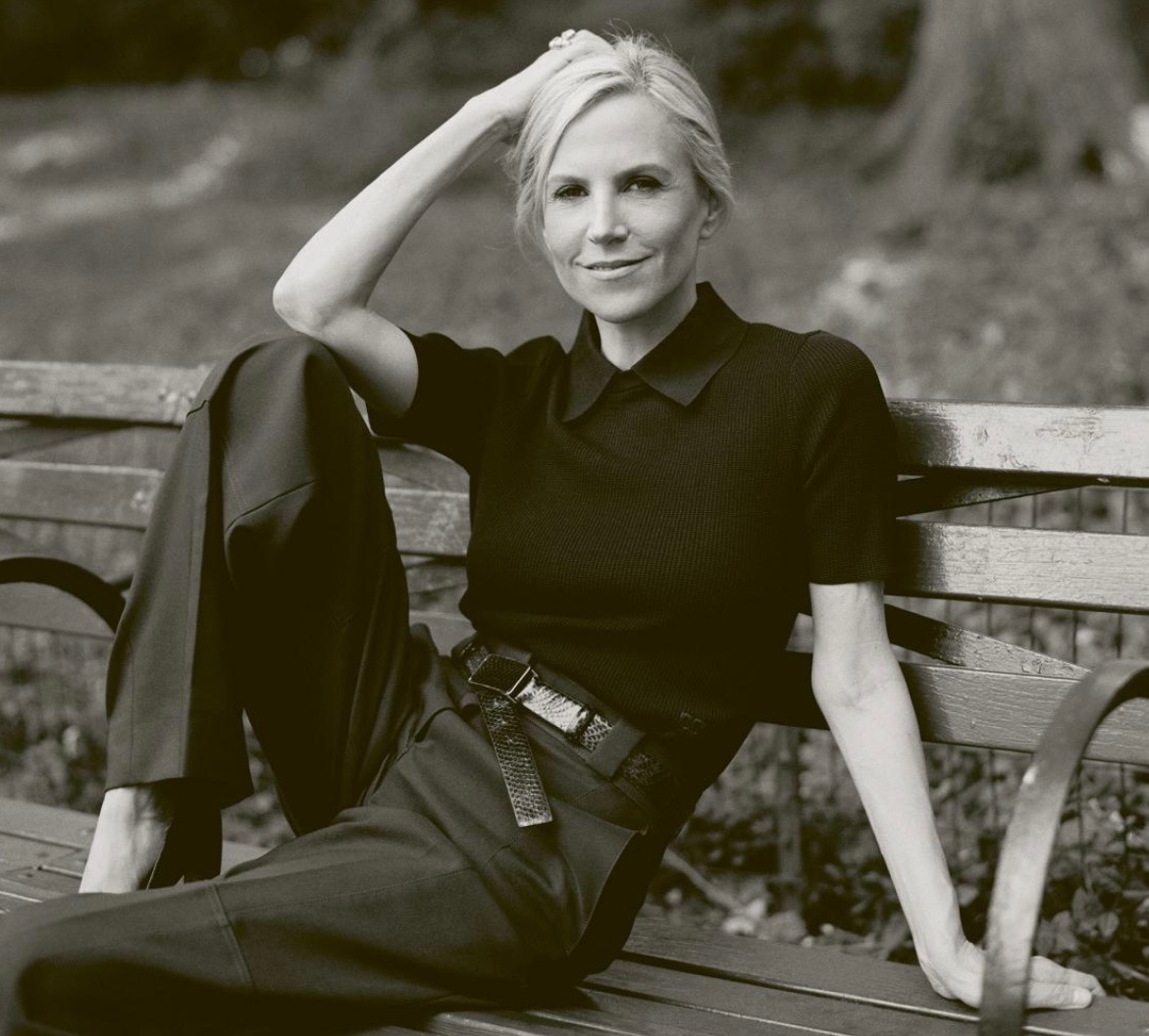
The Phenomenon of “Affordable Luxury”: How Tory Burch Found Her Niche
In 2001, after giving birth to her children, Tory stepped away from her career for a few months. It was then that she realized she wanted to create her own brand. Together with her husband, Christopher Burch, they raised $2 million in start-up capital—their own money and funds from investors. In February 2004, Tory opened her first boutique in Nolita. The store was named TRB by Tory Burch, but the name soon shortened to simply Tory Burch.
The collection took eight months to create, and the future was uncertain, but Tory prepared for the opening with rare enthusiasm. Following reviews by Vogue and Harper’s Bazaar editors, interest in the brand grew. The collection occupied a style niche that was empty at the time: affordable, high-quality, brightly feminine elegance without excessive snobbery. Her tunics, blazers, and signature geometric logo, inspired by Moroccan architecture, recalled the aesthetics of David Hicks and, at the same time, her own parents—eclectic and free-spirited.
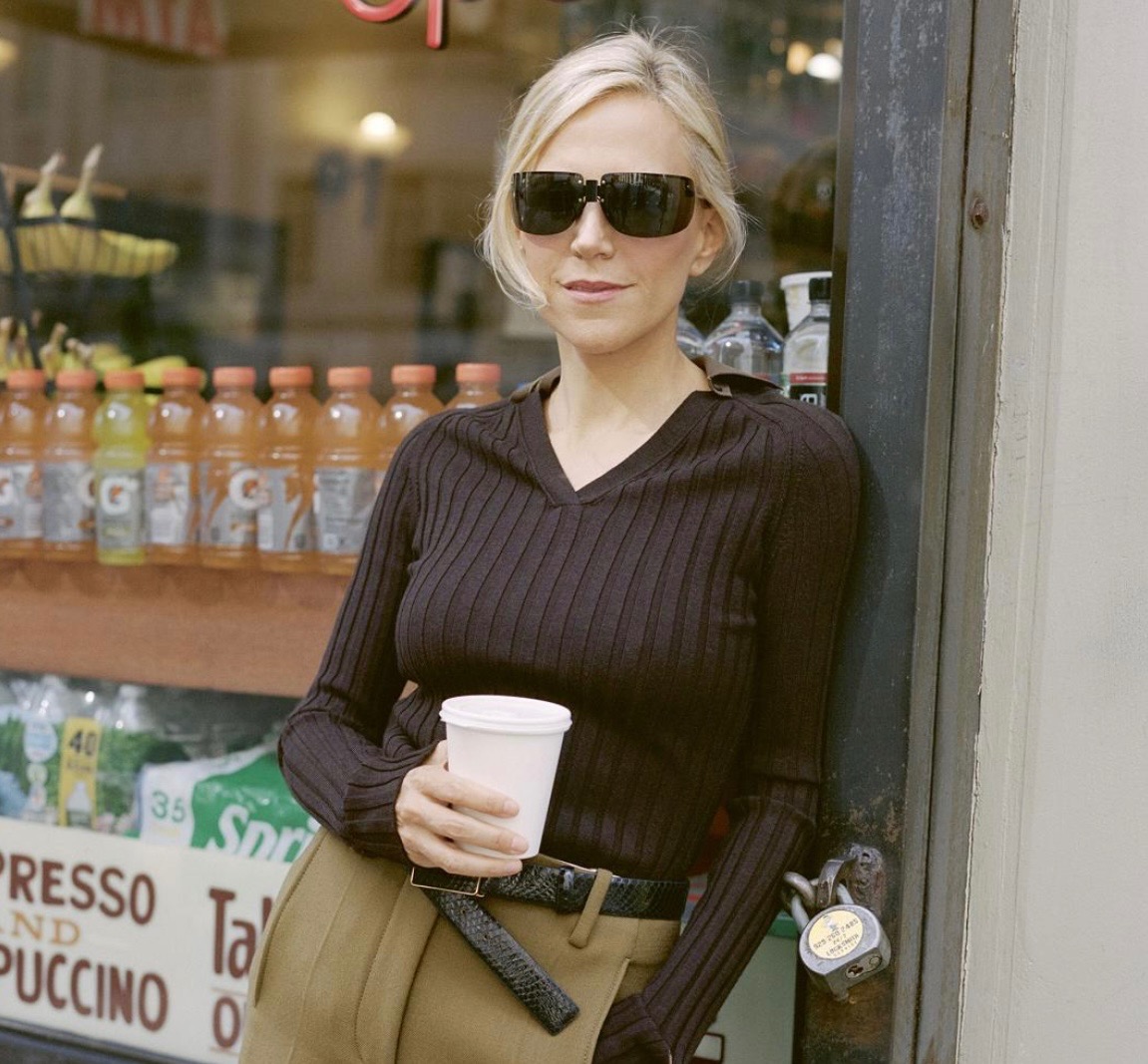
On opening day, the unexpected happened—the store was literally emptied; almost everything sold out. The intense demand proved that her vision of “affordable luxury” was precisely what the American market was missing.
2005 was a turning point. After Oprah invited Tory onto her show, the brand’s website received 8 million viewsthe next day. Millions of women in the U.S. suddenly learned about a designer who offered clothing that was bright, elegant, and comfortable—fashionable, but not unattainable.
Boldness in colors, ease of silhouettes, and the combination of classics with bohemian motifs established Tory as a designer of the new generation of American luxury.
Within ten years, the brand grew to hundreds of stores and thousands of retail locations globally. Tory simultaneously served as Creative Director and CEO, managing everything from collections to retail development.
In 2015, she launched the sports line Tory Sport, which complemented the brand’s DNA with an active lifestyle aesthetic.
During the pandemic, Tory moved to Southampton, working in quiet isolation. Stores were closed, but creativity, conversely, came alive. Collections became more restrained, cleaner, and deeper. She turned to American minimalism and Shaker aesthetics, working with natural fabrics and subtle, thoughtful silhouettes. Critics called this period the strongest in her career.
Recent years in the fashion industry are often referred to as the Toryssance—a wave of brand revival where Tory’s creativity matured, and her company gained a new surge of popularity.
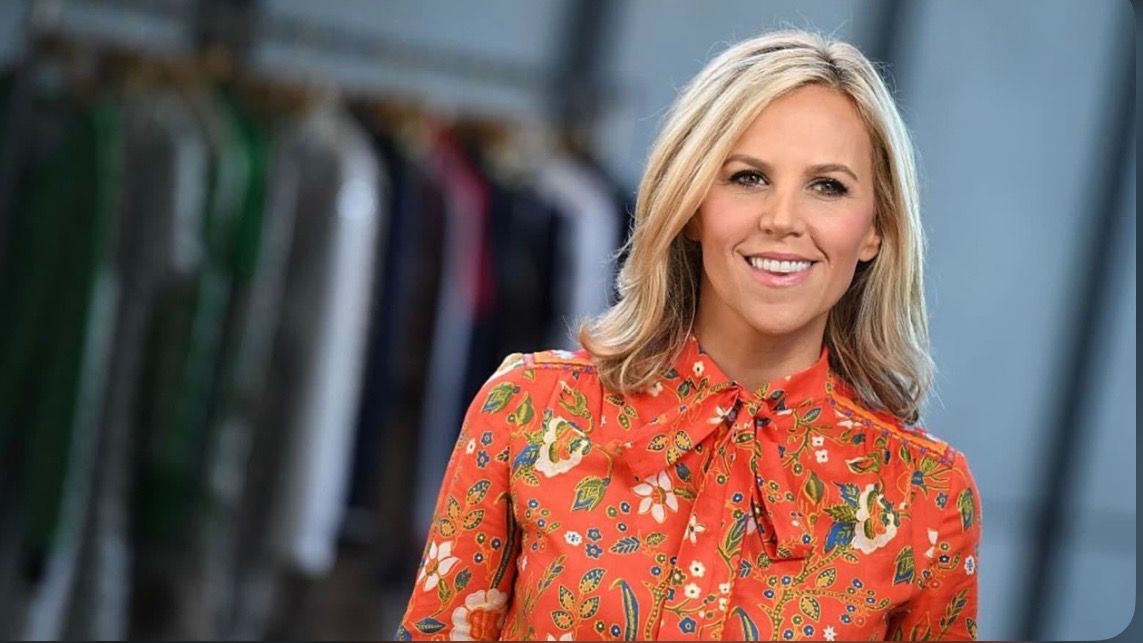
A Symbol of Female Leadership in Fashion and Business
In 2005, the fashion world first seriously noticed Burch. She received the Rising Star Award from Fashion Group International for the best new retail concept. Subsequent successes came quickly. In 2007, she received the Accessory Brand Launch of the Year at the Accessories Council Excellence Awards, and in 2008, the prestigious CFDA Award for “Accessory Designer of the Year.” This was the period when Tory Burch’s name began echoing on global runways.
In the 2010s, Tory became a symbol of influential woman in business. She was included six times in Forbes’ list of the “100 Most Powerful Women in the World,” and in 2015, she made Working Mother’s list of “50 Most Powerful Moms” and received the Sandra Taub Humanitarian Award for supporting breast cancer research.
A period of major media success followed. In November 2019, Glamour named her Woman of the Year, and a year later, Forbes featured her on its cover with a story about how the Tory Burch brand withstood the challenges of the COVID-19 pandemic.
In 2021, Tory made a move into the cultural sphere—becoming the first advisory council member of the new Smithsonian American Women’s History Museum, emphasizing her contribution not only to fashion but also to society.
The years 2022–2025 brought a true flood of awards and recognitions. Tory received the Retail Excellence Award, Parsons Table Award, and CARE Impact Award for leadership and inspiring women in business. In 2024, Time magazine included her in its list of the “100 Most Influential People in the World,” and the Tory Burch brand was named to the Time “100 Most Influential Companies” list. 2025 was crowned with the prestigious SCAD Étoile Award.
But Tory Burch is known for more than just awards. In 2009, she established the Tory Burch Foundation—an organization that helps women entrepreneurs obtain access to loans, education, and mentorship. In 2014, the foundation launched Elizabeth Street Capital, providing hundreds of millions of dollars in affordable loans to over 5,500 women. In 2017, the foundation launched the global Embrace Ambition campaign, and the first eponymous summit was held in 2018, supporting women’s ambitions and breaking down stereotypes.
Creativity, philanthropy, and business acumen have made Tory Burch one of the most influential women in the world. Her net worth is estimated at $850 million, and the Tory Burch brand is valued at about $1.5 billion. While the numbers are impressive, Burch’s true legacy is the opportunities she has created for others and the style that inspires the entire world.
Family, Business, and Accountability: Tory Burch’s Formula for Life
Meanwhile, Burch’s personal life has been just as eventful as her career. In 1993, she married William Macklowe, but the marriage lasted less than a year. In 1996, she married investor Christopher Burch, with whom she had three sons: Henry, Nicholas, and Sawyer, as well as three stepdaughters from his previous marriage. The couple divorced in 2006 but maintained friendly relations. Burch always sought to protect her children from excessive media attention.
In 2014, a new chapter began in her personal and professional life. Burch met Pierre-Yves Roussel, a former LVMH executive. They began a relationship, got engaged in 2016, and married in November 2018. Roussel became the CEO of Tory Burch in early 2019, while Burch remained Executive Chairman and Chief Creative Officer. Tory admits that working with him has been a genuine relief:
“I have never handed over the business to someone else with this level of trust before. We almost always agree on key decisions.”
At 59, Tory balances everything: she leads a global brand, develops a foundation for women, dedicates time to her family—three sons, six stepchildren, and two poodles—and doesn’t forget about herself. Her empire includes over 380 stores and approximately 4,400 employees, with the company’s annual revenue reaching about $2 billion.
Her life path demonstrates how a talented designer manages to balance creativity, media challenges, disputes, and personal life, remaining an example of female leadership and resilience.