

Lillian Wald was a renowned nurse, humanitarian, and writer in 19th and 20th century New York and beyond. She made a huge contribution to the development of medicine and the fight against poverty, founded the Henry Street Settlement in New York, and was one of the first advocates for school nurses in the city’s public schools. She went through a difficult journey of growth and establishment during a time of significant gender discrimination. Read on at newyorka.
Lillian Came from a German-Jewish Medical Family
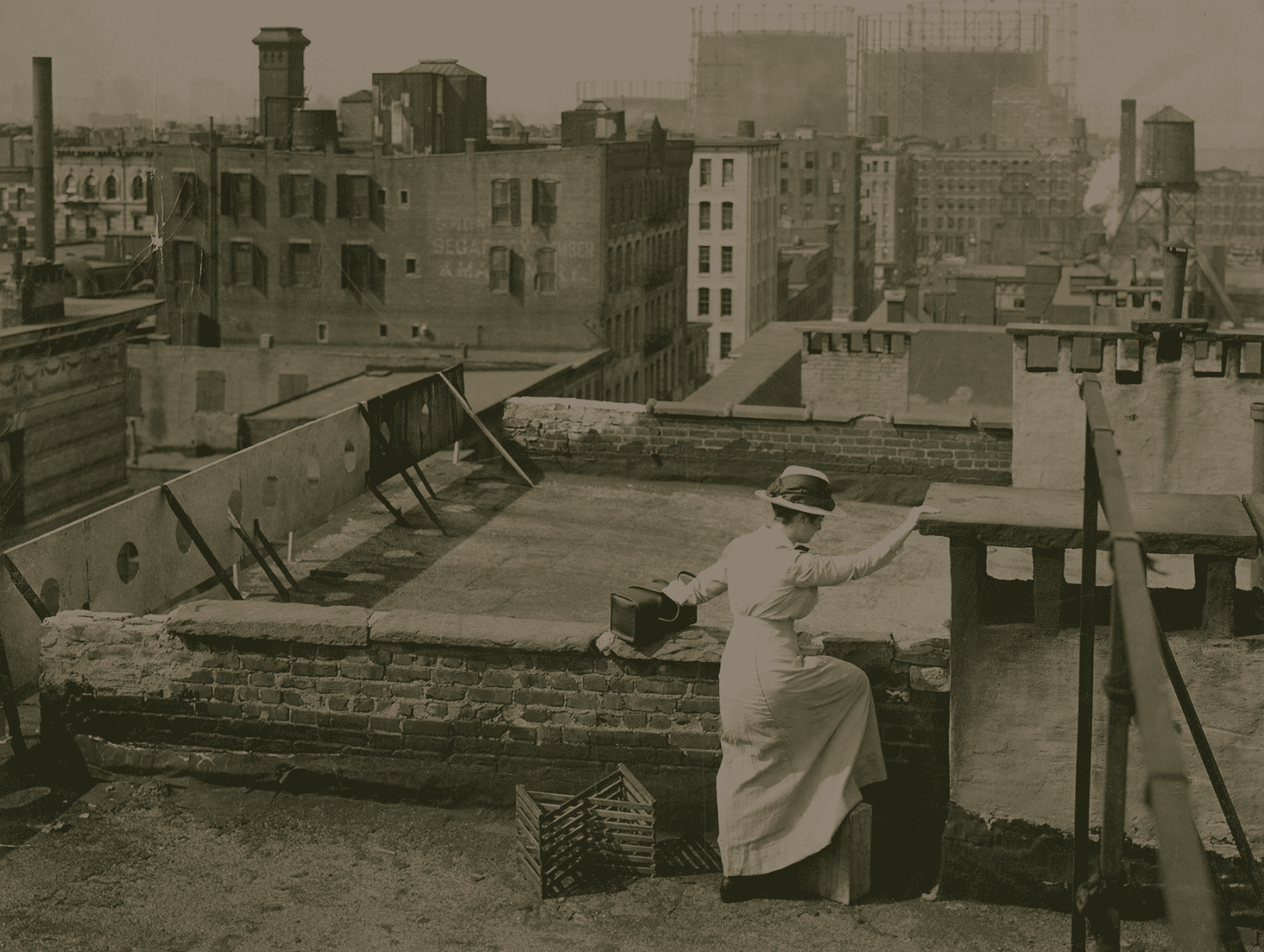
Lillian was born in Cincinnati, Ohio, in 1867. Her family was of German-Jewish descent and was quite wealthy. Moreover, all her relatives were connected to medicine, so it’s not surprising that when Lillian grew up, she decided to dedicate her life to the same field.
Her father was an optical goods dealer, and her uncle, a well-known surgeon, held a medical degree. Notably, he was also a pioneer in medical education at Columbia University in New York.
When Lillian was 11, her family moved to Rochester, New York. There, she attended an English-French boarding school and also went to Miss Cruttenden’s Day School for Young Ladies.
At 16, she applied to Vassar College, but the administration deemed her too young. So, she decided to pursue a career in nursing, enrolling in the New York Hospital School of Nursing. She also took courses at the Women’s Medical College.
Lillian’s Medical Career
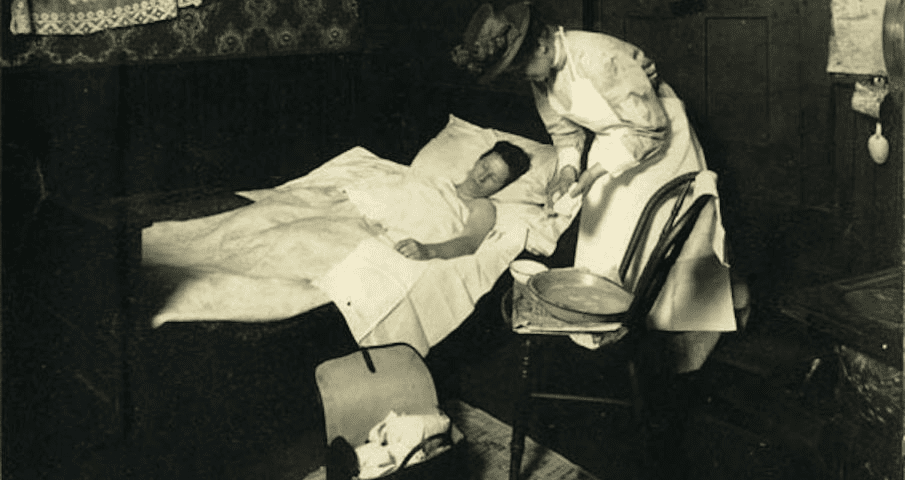
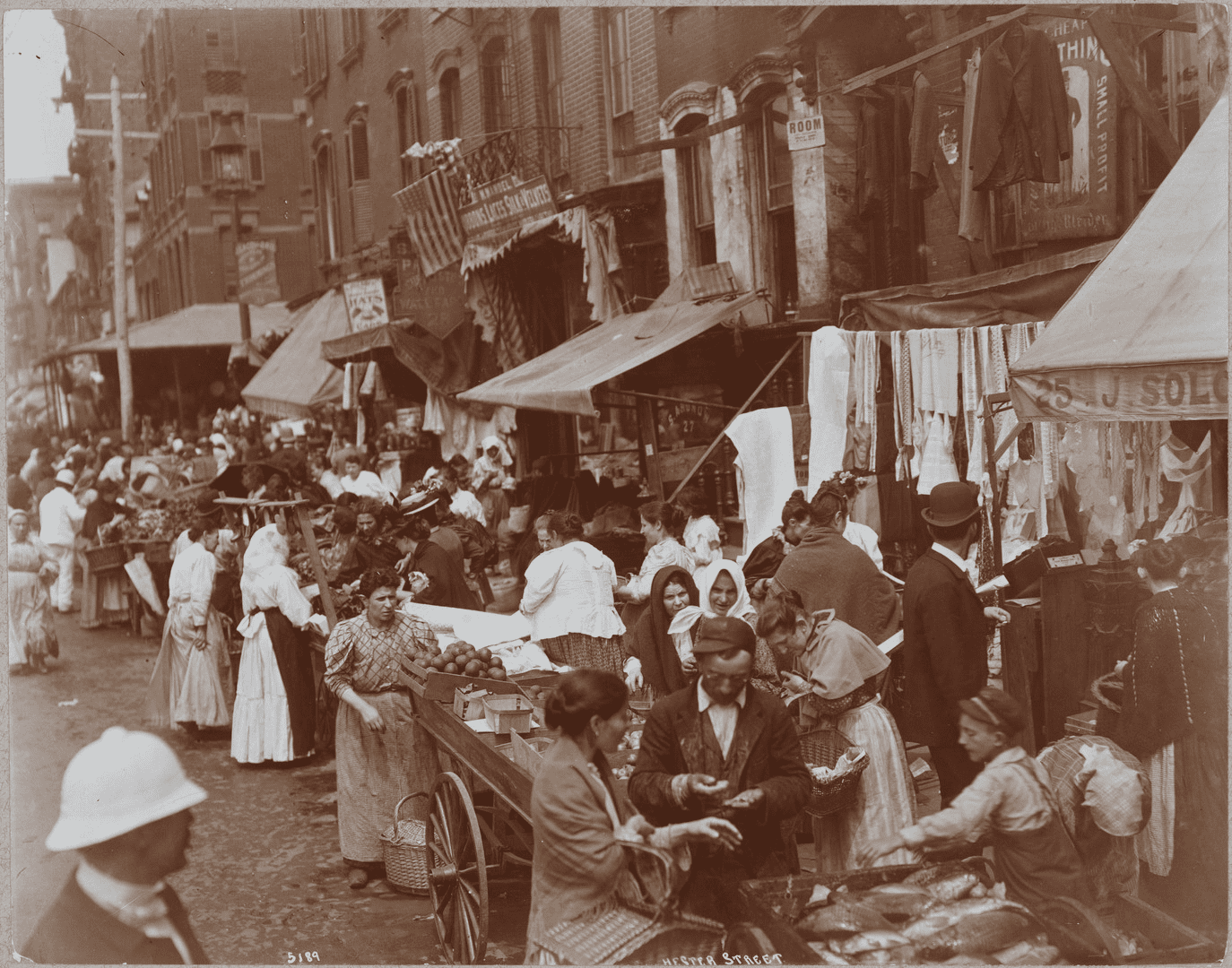
After completing her education and professional training, Lillian continued her nursing career in New York. In the 19th century, it was a huge, bustling metropolis, full of immigrants and struggling families. It was here, in the crowded tenement buildings of the Lower East Side, that she encountered the harsh realities of urban poverty. This experience motivated her to change the situation for the better. She was determined to provide essential medical and social services to those in need, completely free of charge.
Lillian worked at a New York juvenile asylum, where the living conditions were appalling. At the same time, she taught home care courses to immigrant families.
She dedicated a portion of her time to caring for the sick residents of the Lower East Side as a visiting nurse. While caring for the sick, she coined a term that accurately described her work and that of other nurses integrated into the community: “public health nurse.”
In addition to helping the sick, Lillian also championed medical reform. Specifically, she advocated for introducing nursing education in public schools. Thanks to her active and persistent efforts, the New York Board of Health established the world’s first public school nursing system.
Lillian also founded the Visiting Nurse Service, an organization that served as a model for many other corporate projects. She poured her heart into the development of medicine and nursing in New York. She even developed a national health insurance plan, founded the School of Nursing at Columbia University, wrote two books on healthcare, and more.
Founding the Henry Street Settlement
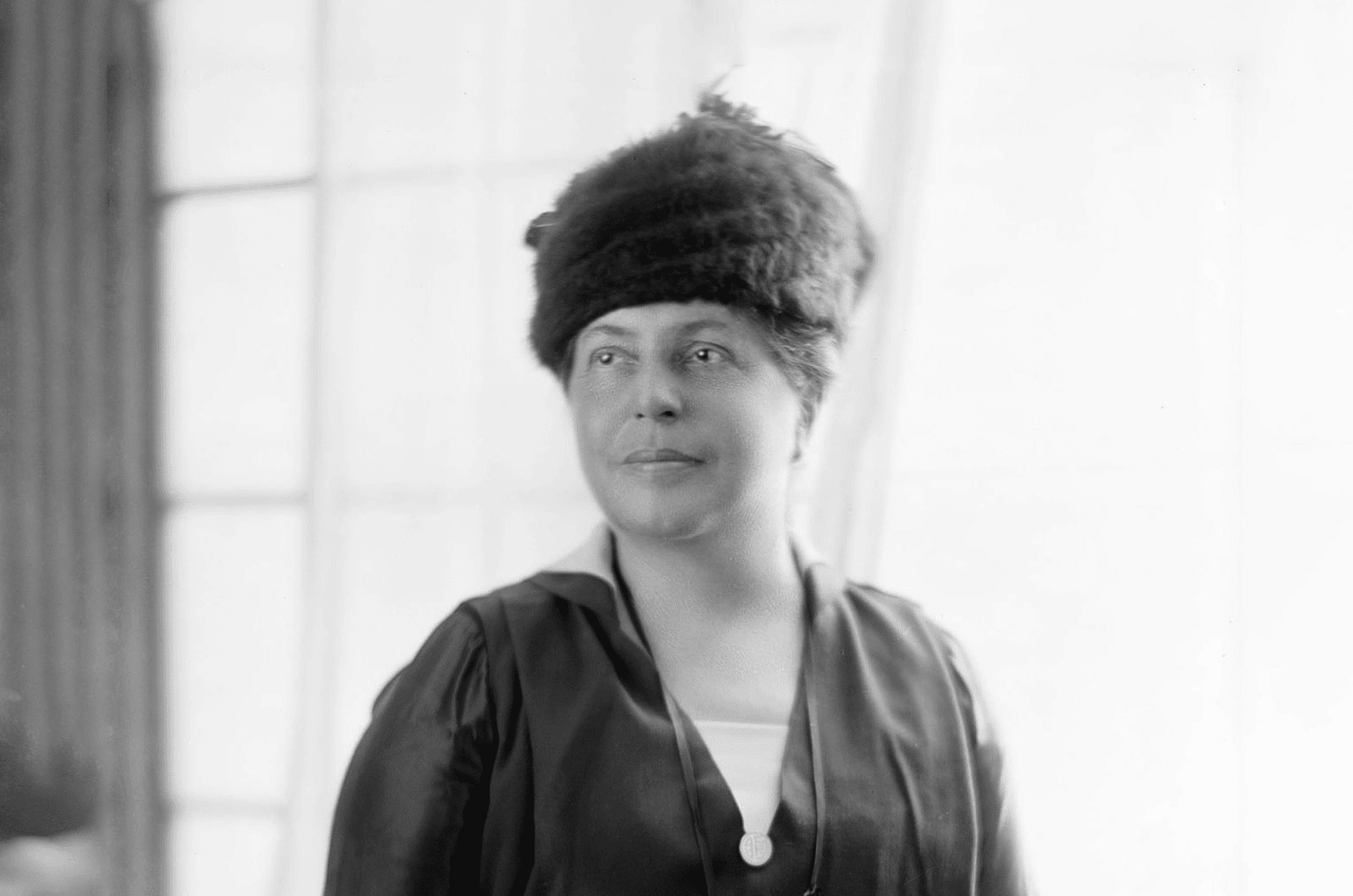
In 1893, Lillian Wald founded the Henry Street Settlement, an innovative project dedicated to improving the lives of immigrants and poor families. This settlement offered a wide range of services, including modern healthcare, educational programs, and social welfare. Its primary goal was to address the root causes of poverty and inequality.
One of the main organizations handling these issues was the Visiting Nurse Service, also founded by Lillian. It provided essential medical care to the sick and needy in their homes.
Among the settlement’s most important missions was providing social benefits to residents and employment for women.
However, for Lillian, the true measure of success was not in praise or recognition, but in the lives she touched and the communities she uplifted. She was known for her deep sense of compassion, which endeared her to everyone she met. Whether she was comforting a sick child, a grieving mother, or defending the rights of the underprivileged, she approached her work with unwavering dedication and kindness.
But Lillian’s influence extended far beyond the Henry Street Settlement. She understood the importance of systemic change throughout New York City at that time. Until the end of her life, Lillian dedicated herself to advancing public health, advocating for social reforms, lobbying legislators, and organizing grassroots campaigns to solve problems such as child labor, housing reform, and women’s suffrage. Thanks to her efforts, she helped shape the model for social welfare in the United States in the late 19th and early 20th centuries.
The heart of this outstanding activist stopped beating in 1940. She passed away at the age of 73 from a cerebral hemorrhage.