

Sex education and birth control were not common concepts among New Yorkers or American citizens in general more than a century ago. But that changed thanks to Margaret Sanger, an activist, teacher, writer and nurse. She was the first person in America to place importance on sex education and birth control. She was the driving force behind the establishment of the first birth control clinic in the United States, and she formed a number of organizations that, in the twenty-first century, were restructured into the Planned Parenthood Federation of America. Find out more at newyorka.
The life of Margaret Sanger
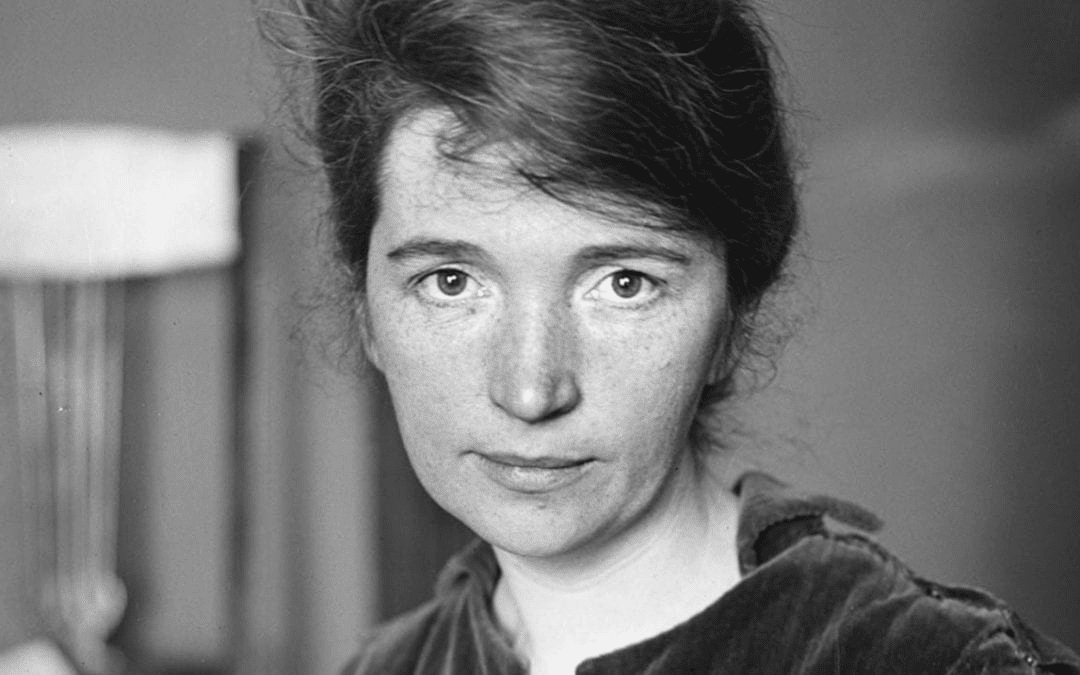
Margaret’s full maiden name was Margaret Louise Higgins. She was also known as Margaret Sanger Slee. She was born in 1879 in Corning, New York, to an Irish Catholic family. Being the sixth child in a large family with eleven other children, the girl was very passionate about finding solutions to birth control and sex education issues. Her mother got pregnant 18 times in 22 years, but only 11 children were born healthy and alive. She spent her entire childhood and youth in a highly noisy household, where she personally witnessed the problems of such large families. Unfortunately, a family like Sanger’s was a common occurrence in the nineteenth century. The reason for this was that contraception was illegal at the time, and information about family planning and fertility was extremely scarce.
Margaret’s mother died at the age of 49, and her frequent pregnancies, as well as the financial hardships the family experienced, made a lasting and unfavorable impact on the young girl. All of this prompted the beginning of her medical career.
Beginning of the career
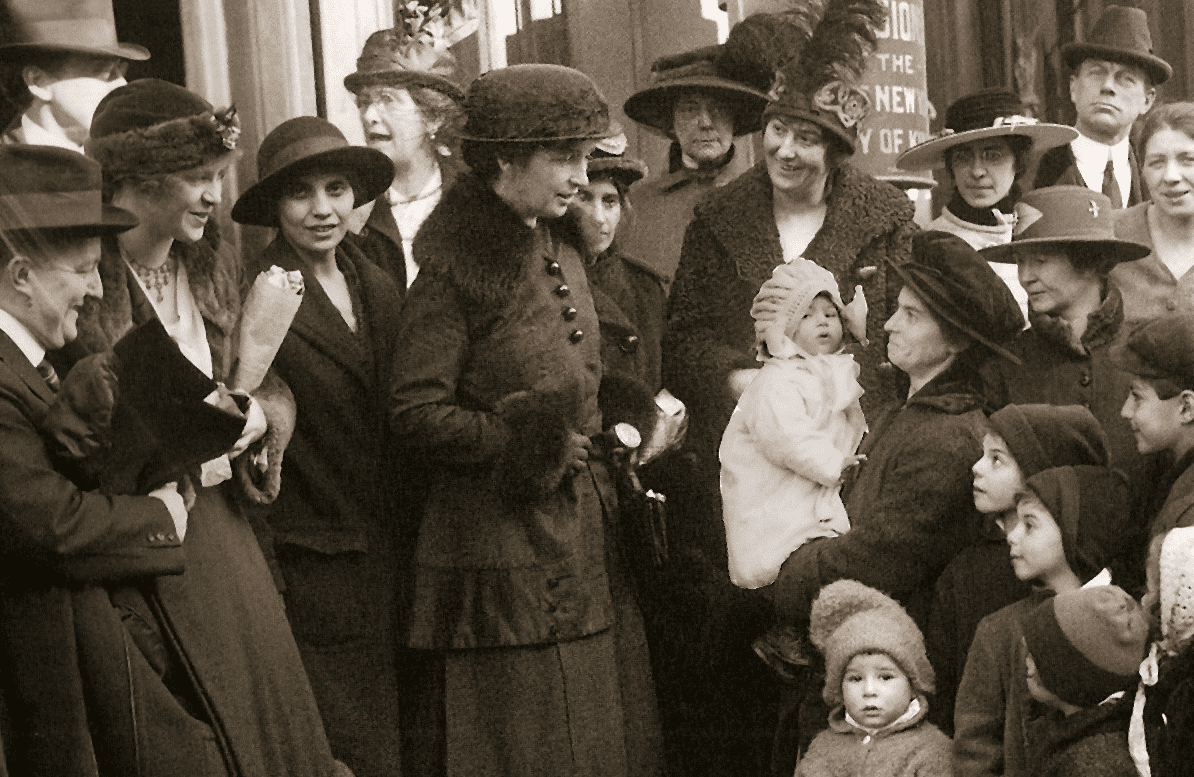
Sanger received her medical education at Claverack College and the Hudson River Institute. After finishing her studies, in 1900, she completed an internship at White Plains Hospital. Around this time, Margaret met her future husband, architect William Sanger. Knowing about the issue of birth control, unlike her mother, Margaret decided to have only three children.
Margaret continued to work as a nurse. However, this work revealed to her unpleasant realities about the terrible conditions in which poor women were, the majority of whom had many children and little control over their reproductive health.
Margaret also assisted women immigrants from the working class. Many of her patients had experienced multiple pregnancies, miscarriages and involuntary abortions. All of this was caused by a lack of sex education. Women simply did not understand how to avoid unwanted pregnancies. Furthermore, access to information about contraceptives was restricted for reasons of obscenity. This, in turn, motivated Margaret to find a solution. Struck by the physical harm that repeated pregnancies took on women’s health, she started secretly educating her patients about birth control methods. Sanger believed that informing women about birth control was critical to improving their lives.
So, Margaret became an activist and feminist and started to promote her political interests. In particular, she wrote two columns on sex education for the socialist magazine New York Call. They were titled “What Every Mother Should Know” and “What Every Girl Should Know.” Margaret’s pieces, which were unusually forthright about sexuality, received a lot of attention by the early twentieth century. Therefore, many readers of New York Call were even outraged by Sanger’s frankness. Margaret, on the other hand, knew exactly what she was doing and writing. Her articles were more moral than the books in the libraries at the time, which were full of pretentious hypocrisy regarding modesty.
Birth control clinic in New York
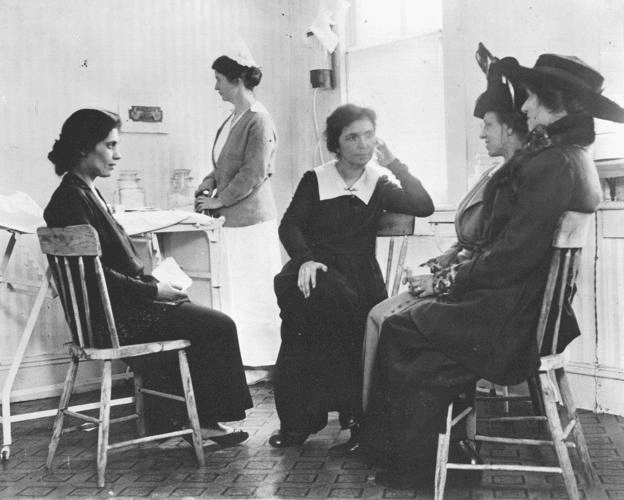
1916 marked a turning point in Sanger’s life as well as in the history of birth control in New York and the United States at large. Specifically, that year, Margaret established the first birth control clinic in the country. It was known as the Brownsville Clinic and was located in Brooklyn, New York. Sanger made a daring effort to challenge federal restrictions prohibiting the disclosure of information about contraception. As a result, Margaret’s clinic was raided and closed ten days after it opened. However, that did not stop Margaret on her way to sexually educating society. Margaret was bailed out. It cost $500 at the time. After that, she returned to the clinic and continued to consult with the women until the police came again. Sanger was arrested this time for violating a New York state statute that prohibited the distribution of birth control.
Even the second arrest did not discourage Sanger. She was completely committed to her work. As a result, in 1917, she founded a magazine called Birth Control Review. The publication evolved into a platform for the free discussion of reproductive rights and family planning. Articles in the publication challenged the societal norms and legislative constraints on contraception that existed at the time. As a result of all of this, Sanger became a well-known and significant figure in American society.
The pill that changed everything

Sanger’s active position in sex education in the late 19th and early 20th centuries created a solid foundation for the birth control movement. Despite Margaret’s best efforts, a significant breakthrough in this area did not occur until the mid-20th century. Specifically, at Sanger’s initiative, funding was provided for the development of birth control pills named Enovid. It was the world’s first oral contraceptive, revolutionizing birth control and giving women a very effective reversible method of family planning. This was made possible in large part by Sanger’s continued efforts.
Margaret herself was able to witness this grandiose event, and a few years later, in 1966, at the age of 86, Sanger died.