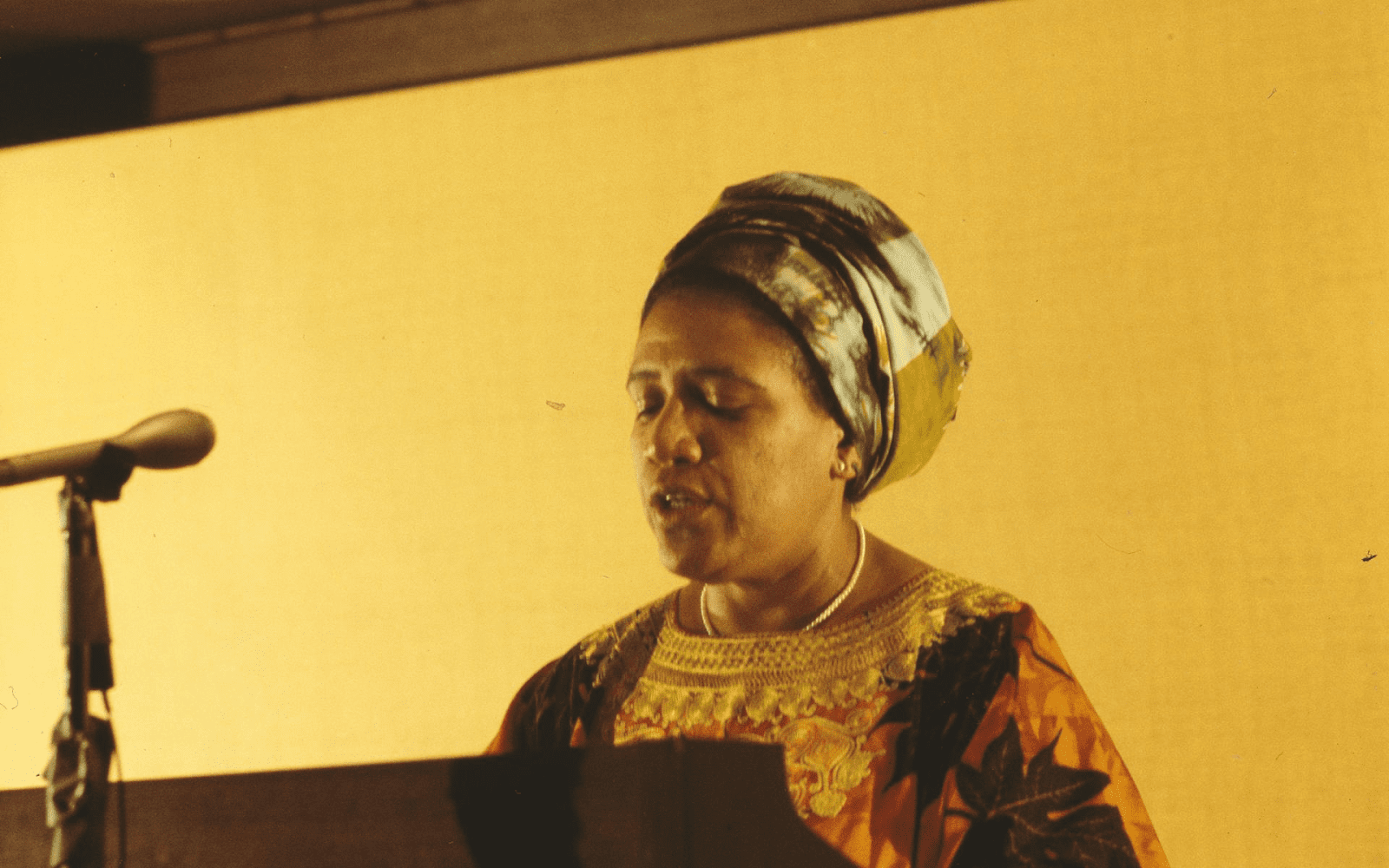
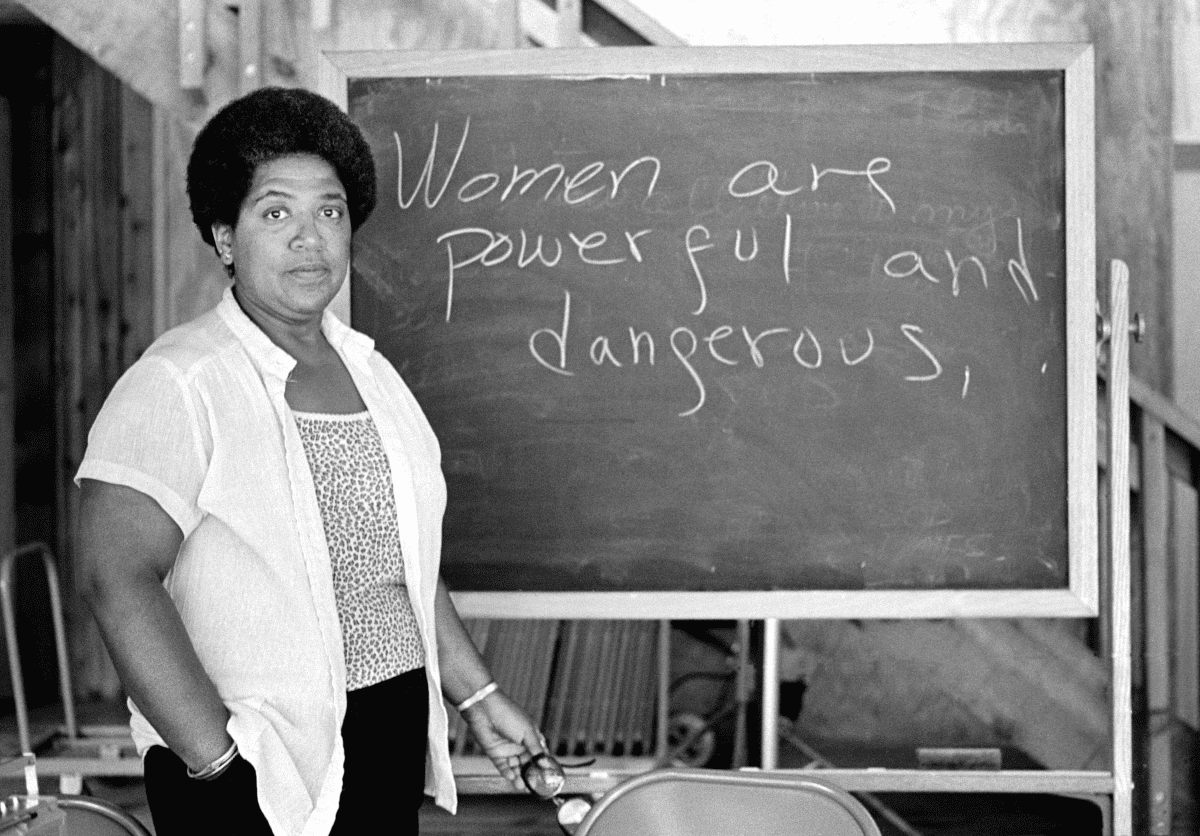
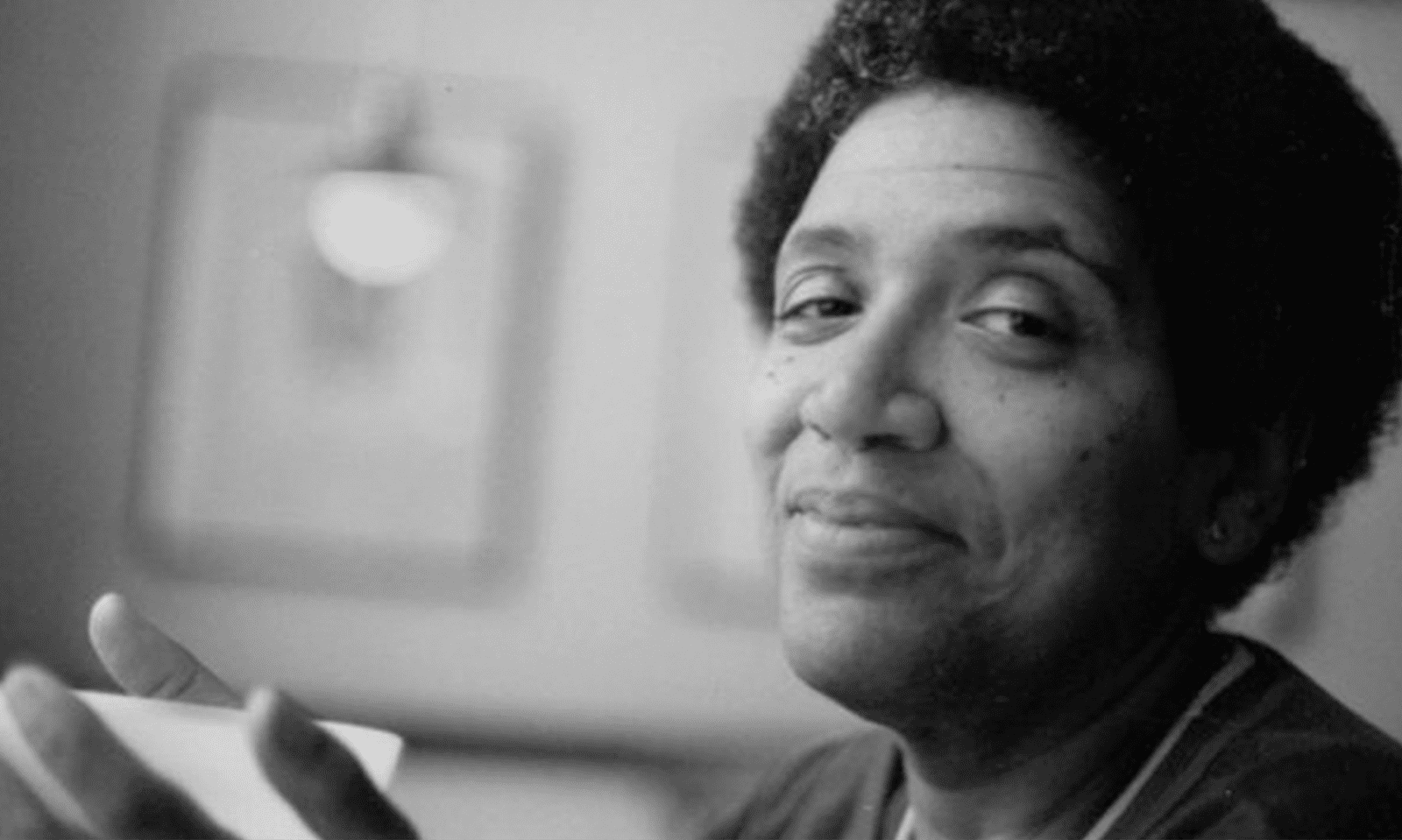
The history of feminism in New York is incredibly compelling. The movement went through many stages of development and growth before women were able to achieve success in various fields. A central figure in the history and evolution of feminism in New York and the U.S. as a whole is the poet and activist Audre Lorde. Throughout the 20th century, she was a powerful voice for women across the country, using her poetry to express her dissatisfaction, anger, and outrage about civil rights issues. More on newyorka.
A Gifted Child
Audre Lorde was born in New York in 1934 to Caribbean immigrant parents. Her childhood was challenging, in part due to her parents’ relentless focus on their real estate business. The turbulent economic conditions following the Great Depression meant the business demanded their constant attention, leading to a strained relationship with their daughter.
Despite these difficulties, Audre was an incredibly gifted child. By age four, her mother had taught her not only to speak but to read and write. She wrote her very first poem while in the eighth grade.
Audre didn’t just write poetry; she also had a knack for memorization. Throughout her childhood and youth, she used poetry as a primary form of self-expression, as she struggled with communication. At times, she would even respond to a simple question like, “How are you?” with a poem. She also used poetry to communicate at school.
She attended a parochial school and later Hunter College High School for intellectually gifted students. It was there that her first poem was published in Seventeen magazine. Previously, her attempts to publish poems in school magazines had been rejected.
Despite her communication challenges, Audre was very active in her school years, participating in poetry workshops and other programs. While she deeply wanted to take part in these activities, she often felt like an outcast and was afraid of being rejected by her peers.
Later Life, Self-Identity, and Career
Audre spent some time studying at the National Autonomous University of Mexico, where her development as a poet flourished. During this period, she also came to accept her identity as a lesbian.
In the late 1950s, Audre returned to New York. She continued her studies at Hunter College and later earned a master’s degree in library science from Columbia University. She worked as a public librarian in Mount Vernon, all while actively writing poetry and developing her creative voice. While in New York, she became a key figure in the Greenwich Village gay scene.
Audre’s Fight for Civil Rights
In addition to her library work, Audre worked at Tougaloo College in Mississippi, a period that proved to be incredibly formative. There, she held seminars with her young Black students, many of whom were deeply invested in the civil rights issues facing African Americans in the mid-20th century. Through these discussions, Audre realized she wanted to join the civil rights movement and contribute to the cause.
By the early 1970s, Audre had become an active public figure alongside her teaching and writing. She co-founded Kitchen Table: Women of Color Press, a feminist activist press closely associated with the National Black Feminist Organization (NBFO).
Throughout the 1970s, Audre was a driving force in the feminist movement. She worked with the Women’s Institute for Freedom of the Press, focusing on expanding communication among women and helping the public access women’s media. Her teaching also played a crucial role in the civil rights movement, particularly during her time on the education faculty at Lehman College from 1969-1970.
In the early 1980s, Audre co-founded the Santa Cruz Women’s Coalition, an organization dedicated to helping women who had experienced sexual violence or domestic abuse. Her activism during this time extended far beyond New York and the U.S. Thanks to her efforts, a support organization called “Sistahood” was established in South Africa to assist Black women affected by apartheid and other injustices.
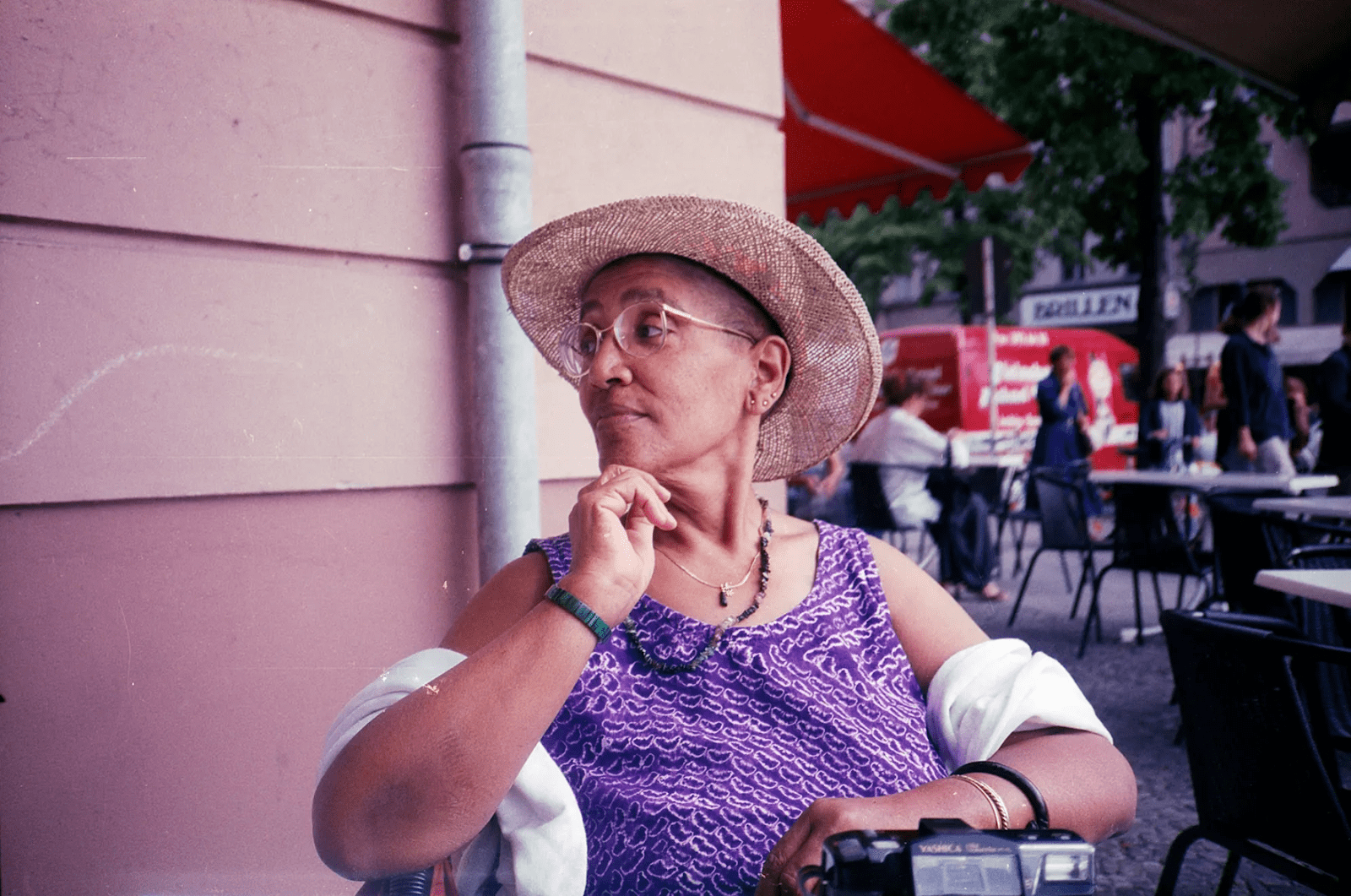
The 1980s were an incredibly busy period for Audre’s activism. Her work even took her to Europe, where she served as a visiting professor at the Free University of Berlin in West Berlin.
During her time in Germany, Audre became more than an activist; she was a true mentor to women like May Ayim, Iki Hügel-Marshall, and Helgi Emde. Her influence extended beyond Afro-German women, as she helped raise awareness about the intersectionality of race and ethnicity.
Audre’s powerful work in Germany was highlighted in director Dagmar Schultz’s 2012 documentary, Audre Lorde: The Berlin Years 1984–1992.
The Role of Poetry in Audre’s Civil Rights Work
From her childhood onward, poetry was Audre’s most powerful tool for self-expression. For her, it was not just a way to communicate with others but also a way to shed light on the problems facing society.
Throughout her life, she wrote and published numerous books. Among them are “Zami: A New Spelling of My Name”, a deeply personal book that explores her childhood and adult life, tracing the evolution of her sexuality and self-awareness. Her collection of essays, “Sister Outsider: Essays and Speeches”, was also highly influential, where she argued that the experiences of marginalized groups must be shared to make their struggle for civil rights visible in a repressive society. The publication of “The Black Unicorn” cemented her as a major voice in the Black Arts Movement.
Audre was deeply committed to social justice and equality throughout her life. She was a fierce advocate for civil rights, women’s rights, and LGBTQ+ rights. In her work, she explored issues of identity, race, gender, and sexuality with incredible honesty and insight.
The life of this outstanding feminist, activist, and writer came to an end in 1992, at the age of 58. She passed away from breast cancer, a disease she had been fighting since 1978.
We use cookies to ensure that we give you the best experience on our website. If you continue to use this site we will assume that you are happy with it.Ok