

Fashion weeks are probably the most anticipated large-scale events in the fashion industry. They take place at least twice a year in different countries of the world. The most popular locations include New York, London, Paris and Milan. Read more about them on newyorka.
These grand events are vital to the creation of new fashion trends. They are also the launching pad to fame and fortune for designers and models. Fashion industry experts, writers, designers and others keep a close eye on each major fashion week, paying attention to the likes and dislikes of the audience. Based on these conclusions future fashion trends are predicted.
In general, the fashion industry and the retail process would not be fully functional without these annual fashion weeks. Although, they did not always exist.
Exhibitions in stores and department stores for customers’ attraction
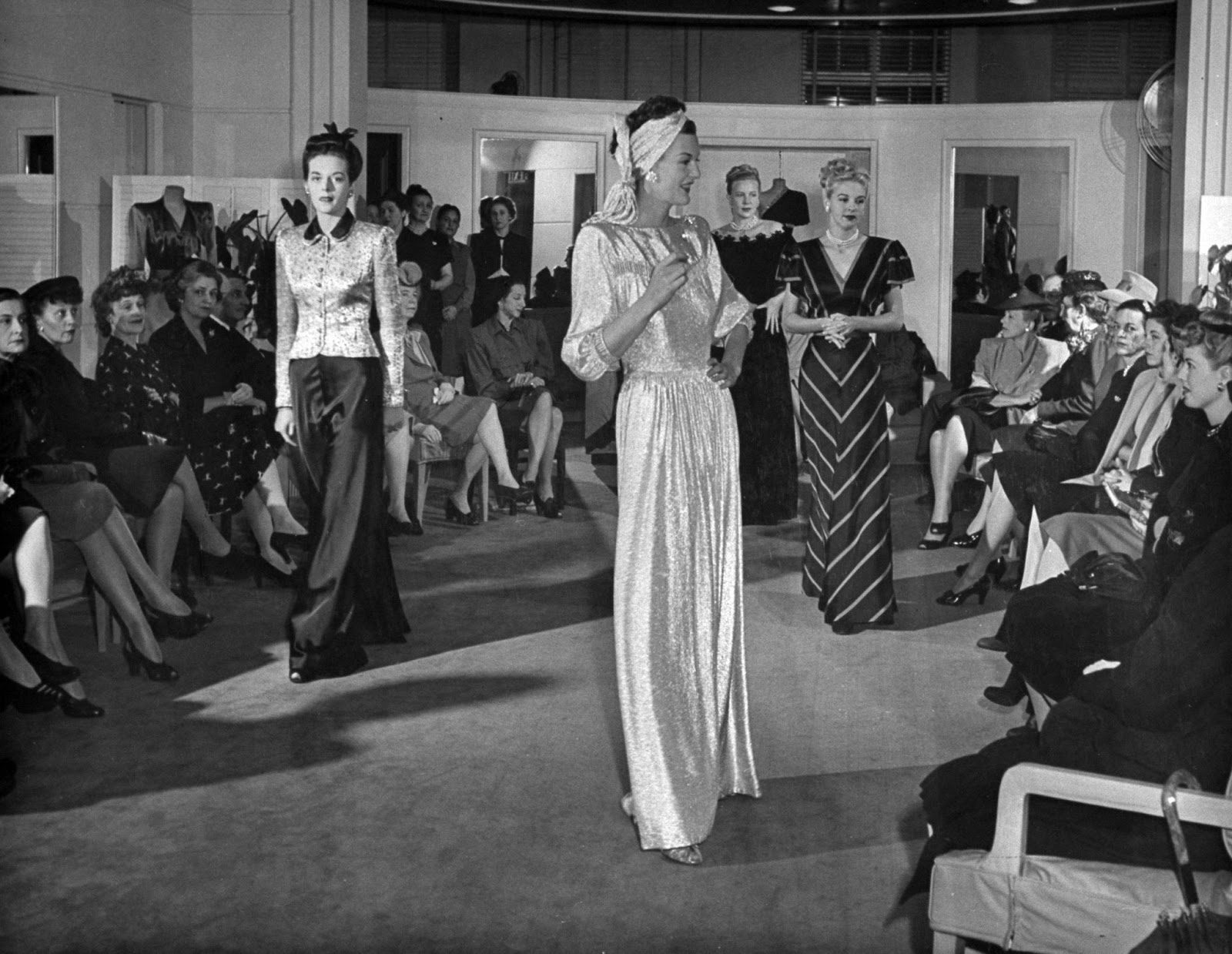
One can find lots of interesting information about the first fashion show in New York. In 1903, the local store Ehrich Brothers created a special exhibition to attract more customers. The idea really worked out and was truly successful. By 1910, fashion designers, department and clothing stores all over the United States were holding their own exhibitions with elements of the show.
Until the 1920s, fashion shows were one of the leading ways to promote fashion collections and became more and more popular every day. Unlike the shows of the French fashion designer Charles Frederick Worth and his contemporaries, the shows in New York were artistic and often based on a specific theme.
They were luxurious, bright and fascinating and attracted thousands of citizens and tourists. The number of visitors increased, and by the early 1950s, stores and shops in New York had to obtain a special license to use live models.
The first Fashion Week in New York
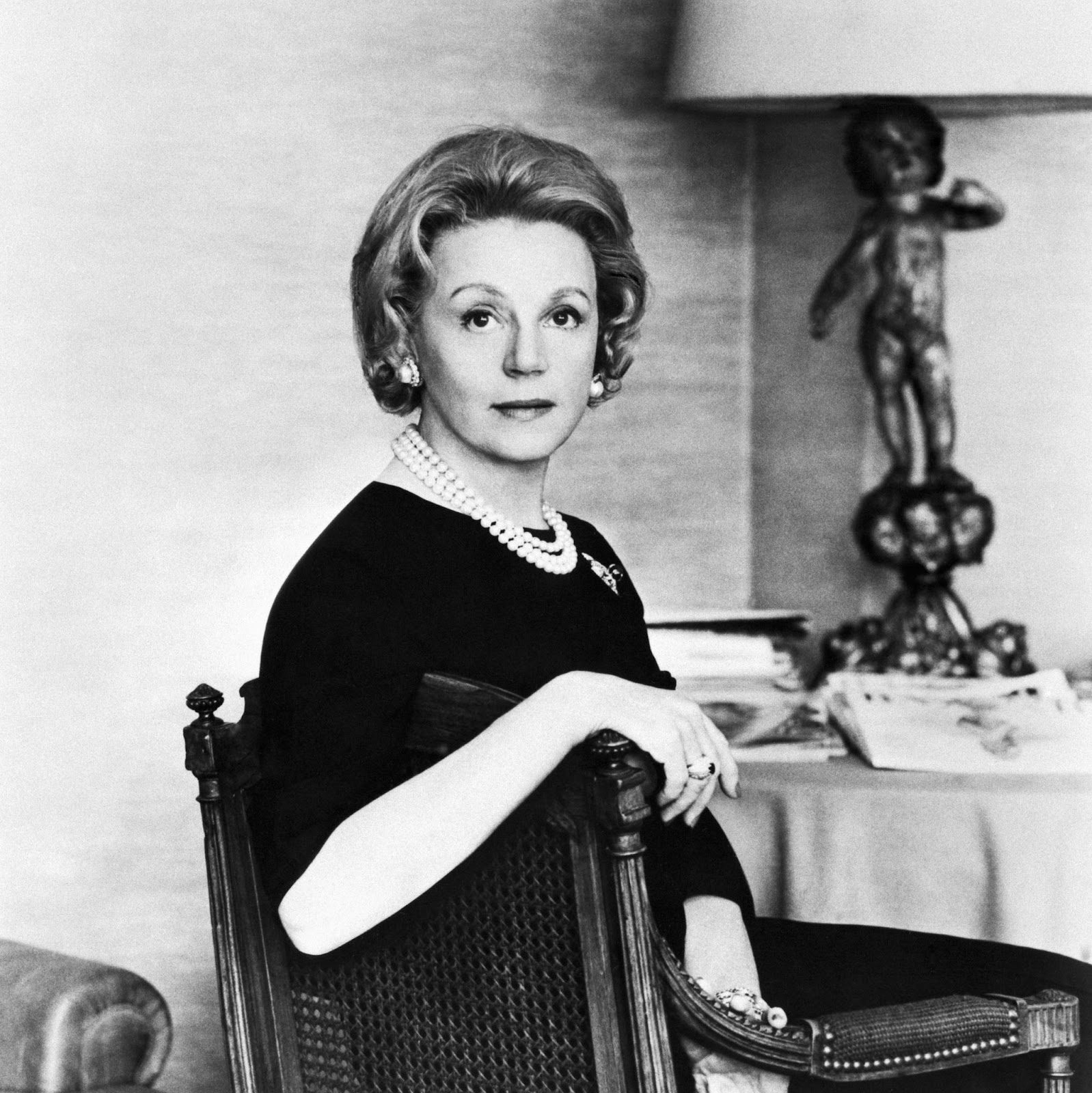
The first Fashion Week was originally called Press Week and took place in New York in 1943. Its founder was the American fashion publicist and press director of the New York Fashion Institute, Eleanor Lambert. Press Week was intended to promote American designers and their creations to the public and fashion observers.
Due to the Nazi occupation of France, French fashion and Paris shows became unavailable. Before the beginning of World War II, French designs and fashion events were constantly published on the front pages of American magazines. The French capital powerfully dictated trends and many American brands copied things that appeared across the Atlantic.
When the fashion shows in Paris were canceled, fashion connoisseurs and journalists considered America as an alternative new epicenter of fashion. Eleanor Lambert seized this opportunity by inviting the media to Press Week in the hope of creating something new and grand. It worked out and the first New York Fashion Week was launched.
The event was a huge success and magazines such as Vogue started to prefer American fashion designers over French brands. In retail stores, demand for French designers quickly gave way to Claire McCardell, Hattie Carnegie and Norman Norell. They started to create their own fashion capital in New York.
In two years, Press Week became such a large-scale event that businesswoman Ruth Finley, a friend of Eleanor Lambert, created the Fashion Calendar. It was a weekly publication that provided fashion industry members with designer contact information and show schedules. Such careful coordination ensured that the designers’ show times did not overlap and provided a convenient schedule for visitors.
Ruth Finley ran the publication for 70 years. In addition, it still exists online as the main source of information about Fashion Week.
Development of New York Fashion Week events
Over the next few decades, America became the driving force that changed the fashion world. Busy show schedules, unique collections and new great names of talented fashion designers from Oscar de la Renta to Ralph Lauren appeared here.
As silhouettes changed, hem lines increased and fashion trends took new directions. The nature of the shows also changed. Presentations became more diverse. Each designer chose the best space to present his collection. At first, these were department stores and exhibition halls. Over time, designers expanded this list to include nightclubs, lofts and galleries.
Founding of the Council of Fashion Designers of America
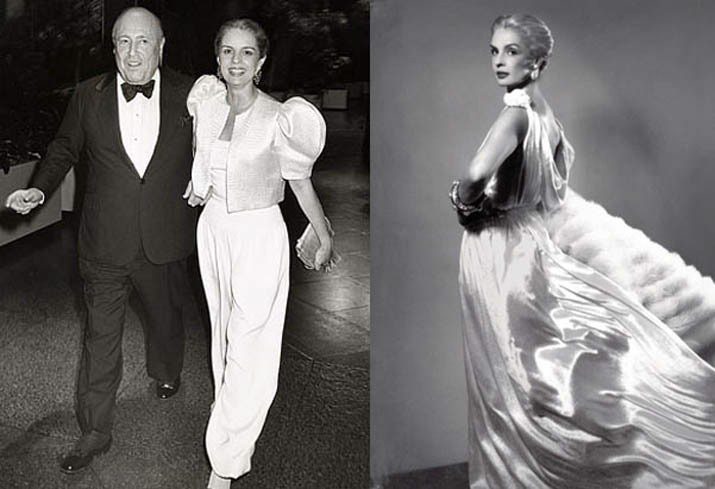
With the active support and assistance of Eleanor Lambert, the Council of Fashion Designers of America (CFDA) was established in 1962. The main goal of this organization was to ensure widespread recognition of the US fashion industry as an important cultural and economic unit of the fashion world.
The shows got bigger and better with every passing year, adding more glitz, innovation and music. New York Fashion Week has become an important event that everyone should attend. It gave a unique opportunity to reveal yourself and everything you wish to the fashionable world
The front rows were always reserved for famous American and foreign artists, actors and singers. Liza Minnelli, Andy Warhol and Bianca Jagger are among the many who have been regular visitors at New York Fashion Week. The American designer Diane von Furstenberg conquered the audience of that time with a smelling dress, her famous masterpiece. Women love this dress that makes them feel beautiful, feminine and sexy. Roy Halston was one of the first American designers to create his own brand. Among his clients were Marlene Dietrich, Jacqueline Kennedy, Rita Hayworth and many others.
The Battle of Versailles Fashion Show
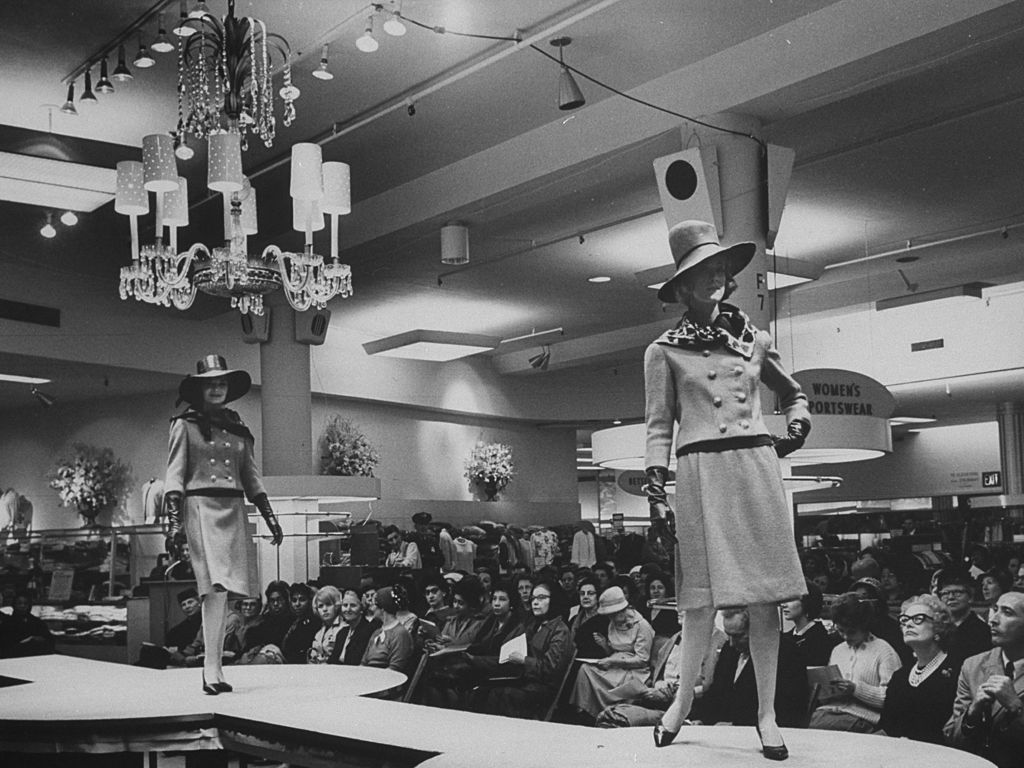
In 1973, a legendary fashion event took place. It was the Battle of Versailles, organized by the French Fashion Federation. Under the careful direction of Eleanor Lambert, American fashion was showcased, causing significant changes in the global fashion space.
The little-known designers Bill Blass, Oscar de la Renta, Halston, Stephen Burrows and Anne Klein faced the stars of French fashion, such as Yves Saint Laurent, Christian Dior, Pierre Cardin and Hubert de Givenchy. American designers presented a bright show, which featured a record number of black models and an assortment of ready-to-wear. Their designs radiated a young and vibrant energy that captivated audiences, contrasting with the more traditional couture-oriented approach of French designers.
Although there was no official winner, this historic event put American fashion on the world stage and reshaped the fashion industry. It was a challenge to the established hierarchy of fashion capitals, which changed the perception of American designers on the international fashion scene forever.
The failure and revival of New York Fashion Week
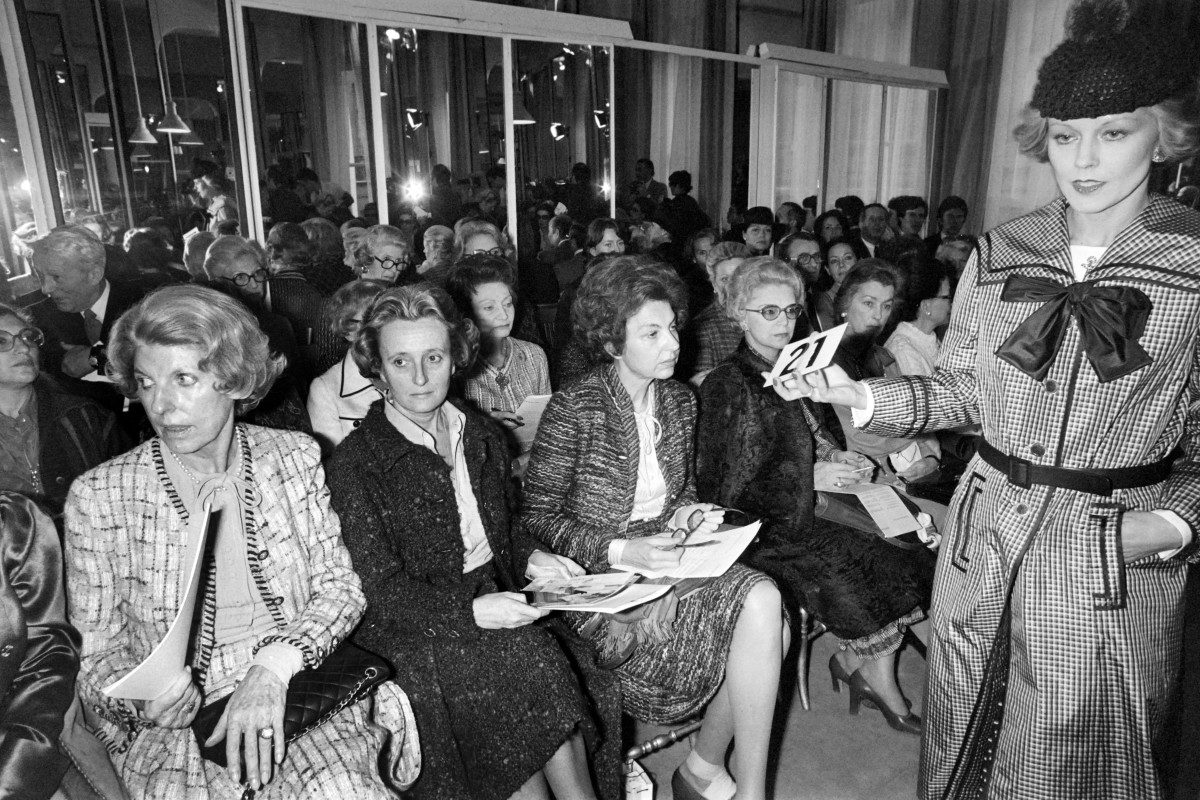
The beginning of the 1990s seemed extremely difficult for all participants of Fashion Week in New York. The press and visitors were exhausted, as each show took place in different locations, from small apartments to industrial buildings. Visitors frantically raced through the city to catch another designer’s show. The climax of this disappointment was the collapse of part of the ceiling at the Michael Kors show, when pieces of lime and dust littered everything around. After this incident, journalists began to complain en masse about the danger during the shows.
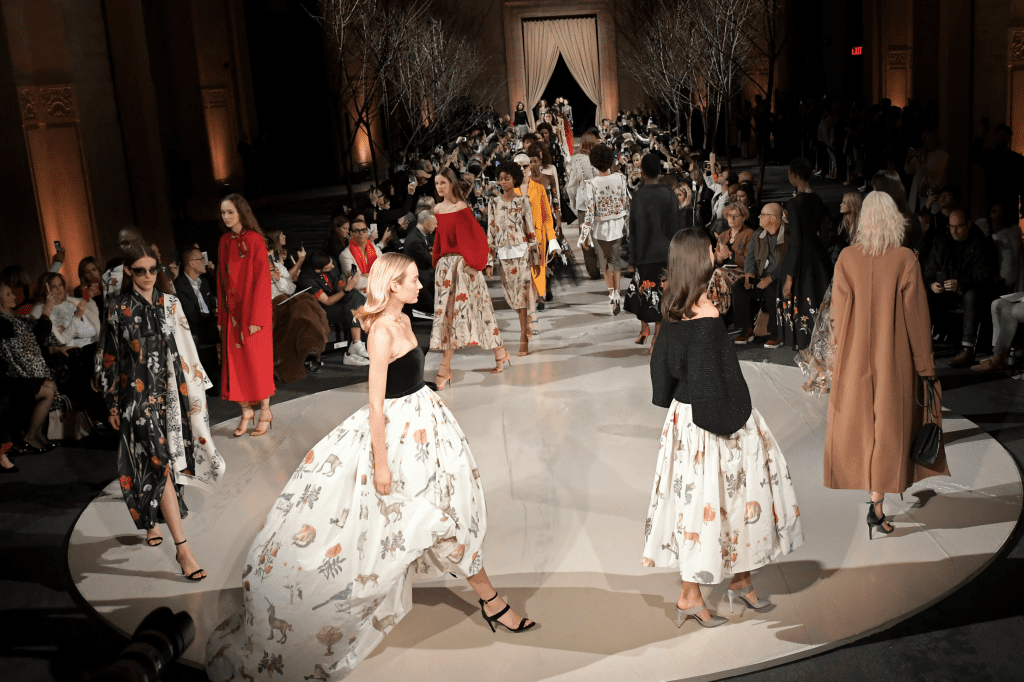
Fern Mallis, the executive director of the CFDA, decided that New York Fashion Week needed a new direction and a new location. Organizers reverted to centralized viewing, erecting two white tents in Bryant Park to accommodate more shows. In addition, the company 7th on Sixth was created to organize events.
With a new, more cohesive schedule and professional image, NYFW began to thrive again, with celebrities such as Julia Roberts, Mariah Carey and Leonardo DiCaprio in its front rows.
By 2010, the event’s schedule had expanded to nearly 300 shows and its organization was moved to the more spacious Lincoln Center. However, four years later, local human rights groups stated the event had a devastating effect on Damrosch Park located nearby. Once again, Fashion Week was forced to move to its current location at Tribeca’s Spring Studios.
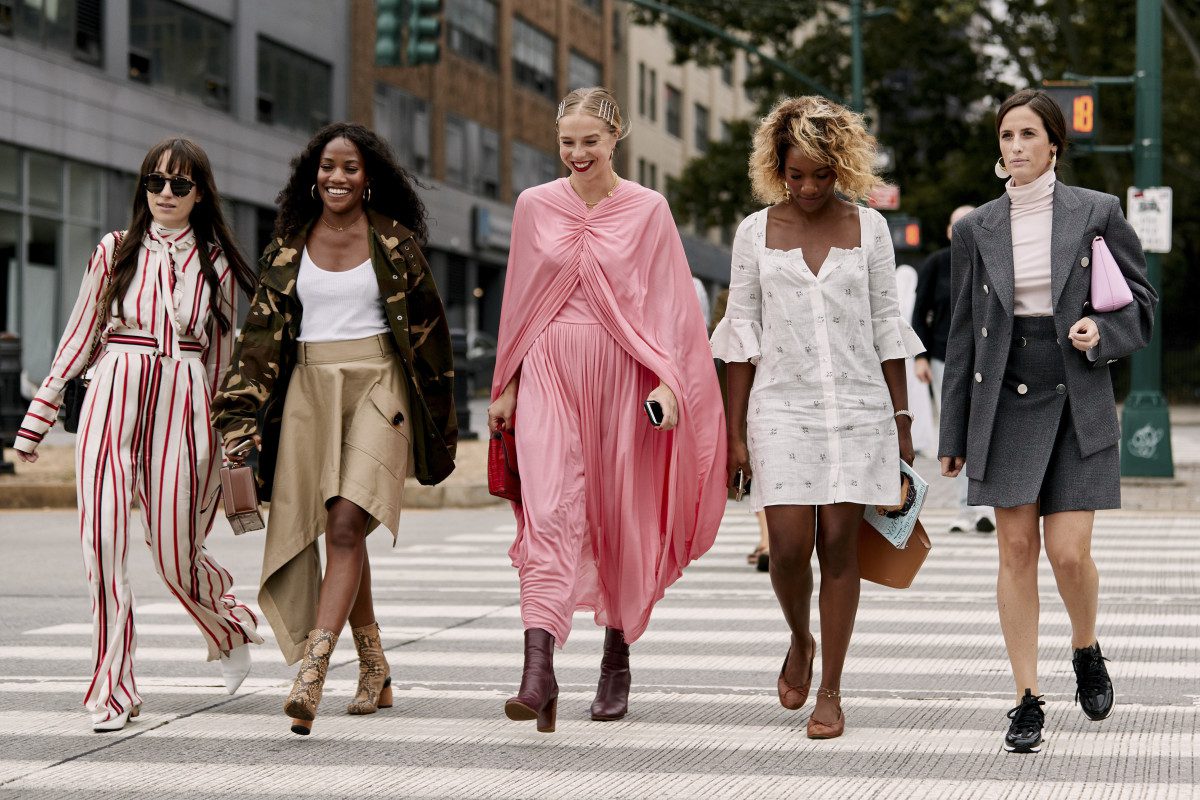
In 2015, the event was rebranded and officially called New York Fashion Week (NYFW). The rebranding was intended to reflect the changing nature of the fashion industry, incorporating the digital age, technology, social media and online streaming. More than 75 fashion houses present catwalk collections twice a year, attracting fashionistas, celebrities, socialites and supermodels.
Thus, New York Fashion Week has showcased the creativity and innovation of American designers to the world, skillfully emphasizing culture, artistry and extravagance for more than 75 years.