

American photographer Alice Austen, based in Staten Island, was a true pioneer, one of the first women to embrace the profession and truly shine. Austen is best known for her groundbreaking street photography, a significant departure from the studio-centric work that dominated the era. Beyond that, Alice created a remarkably intimate collection of images depicting the lives and relationships of Victorian-era women. This was incredibly bold and unconventional for her time, and we owe these revealing photographs to Austen’s fearless vision. Let’s dive deeper into the creative and personal journey of this legendary artist on newyorka.
Alice Austen’s Family
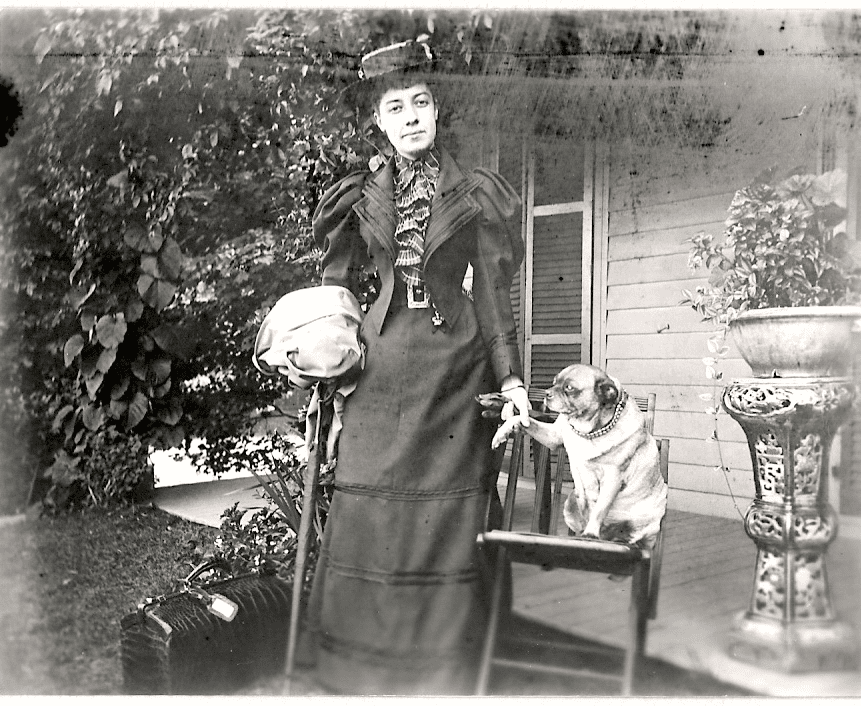
Elizabeth Alice Austen was born in Rosebank, New York, on March 17, 1866. Her parents were Edward Stopford Mann and Alice Cornell Austen. Her great-great-grandfather, Peter Townsend, owned the “Sterling Iron Works,” where the chain used to block the Hudson River during the American Revolutionary War was forged.
When Alice was about three years old, her father left the family. Her mother and Alice then moved in with her maternal grandparents at their farmhouse, “Clear Comfort.” Alice’s aunt and uncle also lived there. It was her uncle, Oswald, who introduced a 10-year-old Alice to the magic of photography. She was instantly captivated. Her family supported her passion, encouraging her to learn and explore the world around her.
A Fresh Perspective on Photography
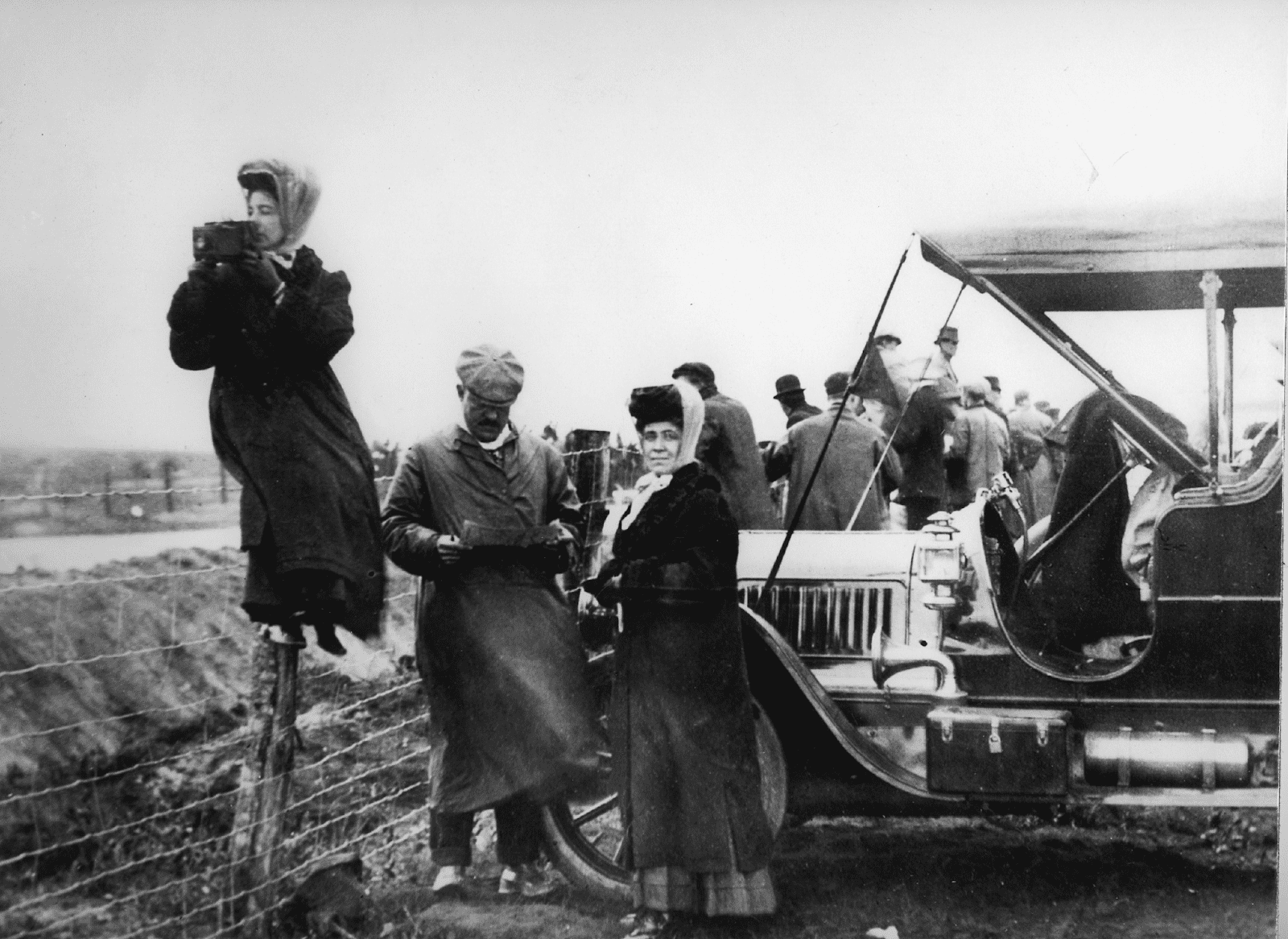
Alice Austen’s family was well-to-do, allowing her to pursue photography and become one of history’s first female photographers. She began working outside the studio, transporting her bulky equipment on her bicycle. This hands-on practice became her classroom, supplemented by advice from her uncle, who even designed a proper darkroom for his niece.
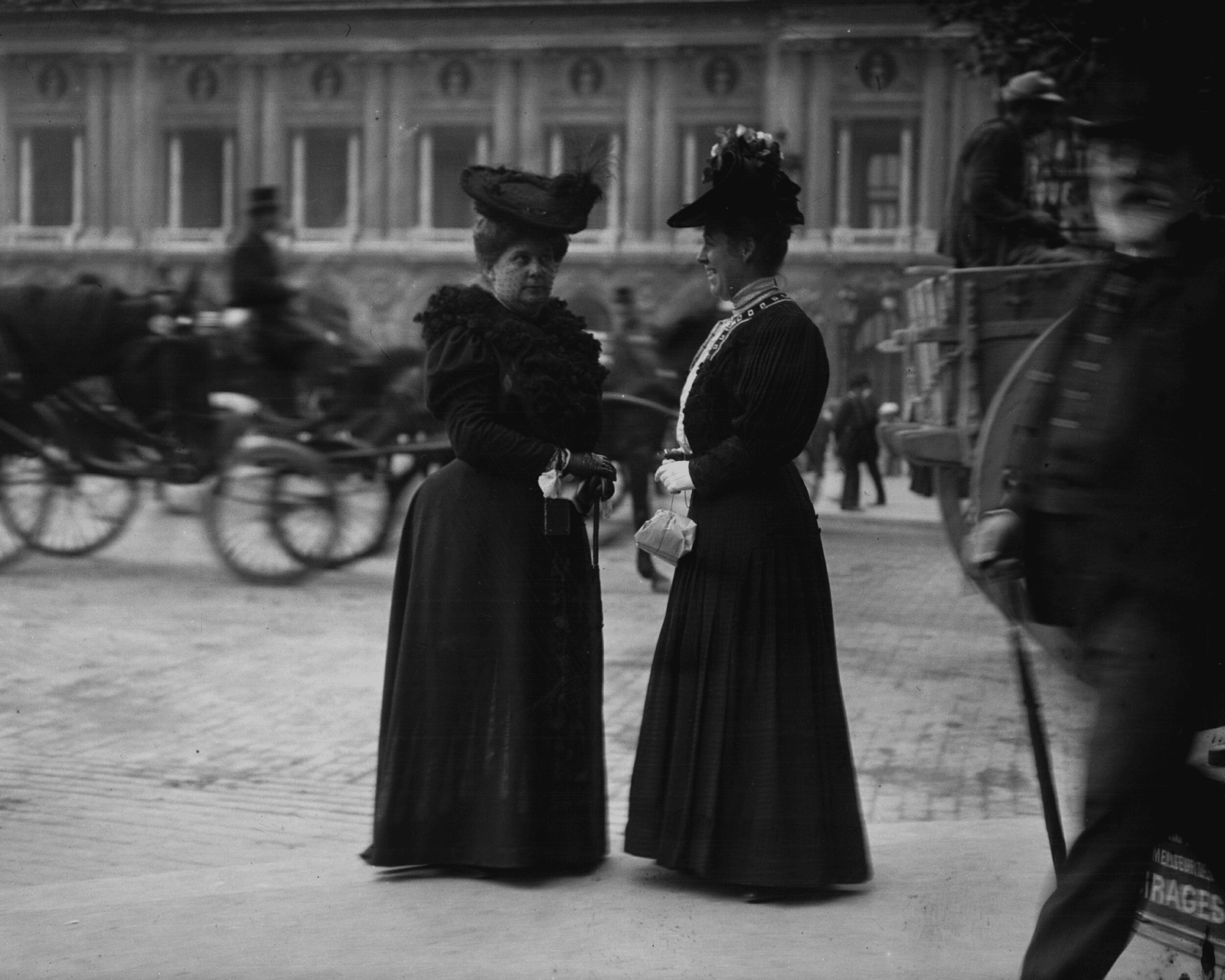
Alice used glass plates and a Scovill company camera. She meticulously recorded every detail for each photograph taken—the aperture, glass plate brand, and exposure time. By the 1930s, Austen had created over 7,000 photographs. Her subjects included the lives of immigrants in New York City and the daily routines of women. She also traveled to Europe, where she captured many images.
In 1895, Austen began her “Street Types of New York” project. For this, she photographed street vendors working in Manhattan’s working-class neighborhoods. During this time, Austen also worked for Alva H. Doty, photographing equipment and conditions at the Ellis Island station. This collaboration continued until 1912.
Alice Austen’s work eventually reached the public:
- Her photographs were presented at the Pan-American Exposition in New York in 1901.
- Many of her photos were published in “Harpers Weekly Magazine” and “Medical Record.”
- Her images were also included in Violet Ward’s 1896 book, “Bicycling for Ladies,” though without attribution.
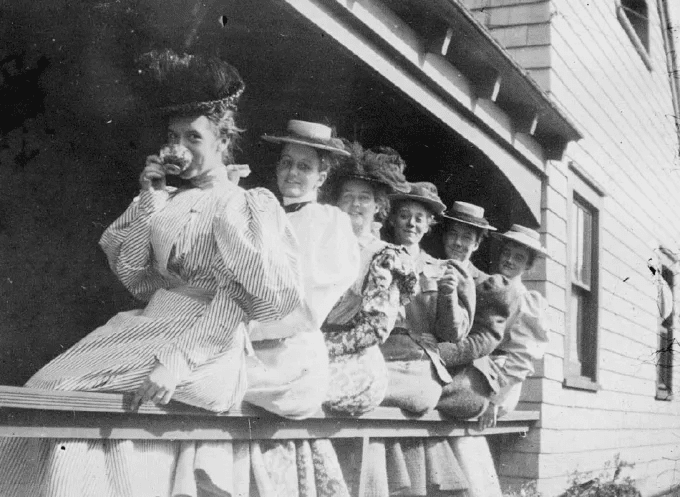
Alice Austen generally didn’t sell her work, as she didn’t need to earn a living from it. Instead, she copyrighted her images. Most of her photographs were only available for private viewing, as they depicted intimate relationships among women and scenes that included smoking and other activities not widely approved for women during that era. However, these photographs preserved the authentic lives of Victorian women, increasing their value in our time.
Personal Life and Death
During a vacation in 1897, Alice Austen traveled to the Catskill Mountains. There, she met Gertrude Tate, a schoolteacher from Brooklyn. A romantic relationship blossomed between the two women. Ten years later, Austen’s aunt allowed Gertrude to move into their family home.
Throughout this period, Alice actively photographed her home and friends, and took many pictures during her travels with Tate, though many negatives were never printed. She was an active member of Staten Island society, founded a local garden club, and belonged to a cycling club. She was also one of the first women in the area to purchase her own car.
In 1929, with the Wall Street Crash, Alice Austen lost a significant portion of her savings. During the Great Depression, she faced severe financial difficulties, which Gertrude Tate shared. Both women worked to earn a living. Tate taught dance and opened a tearoom. Despite their efforts, the family home had to be sold in 1944.
Austen and Tate rented an apartment in St. George, Staten Island, where they lived until 1949. Alice’s arthritis worsened, and Tate could no longer care for her. Furthermore, Tate’s family disapproved of her relationship with Austen. Ultimately, Gertrude returned to her relatives. Alice Austen was left alone, declared bankrupt, and placed in a poorhouse.
In 1951, historian Oliver Jensen discovered Austen’s photographs, which had been transferred to the Staten Island Historical Society. He arranged for their publication in “LIFE” magazine and several other publications to raise funds and move Austen to a private nursing home. Additionally, the Staten Island Historical Society organized the first public exhibition of her photographs, titled “Alice Austen Day.”
Sadly, her health continued to decline, and she passed away on June 9, 1952, after a stroke. Alice Austen was buried next to her family in the Moravian Cemetery on Staten Island. Gertrude Tate wished to be buried there as well, but when she died 10 years later, she was buried in Cypress Hills Cemetery in Brooklyn.
Alice Austen’s Museum and Artistic Legacy
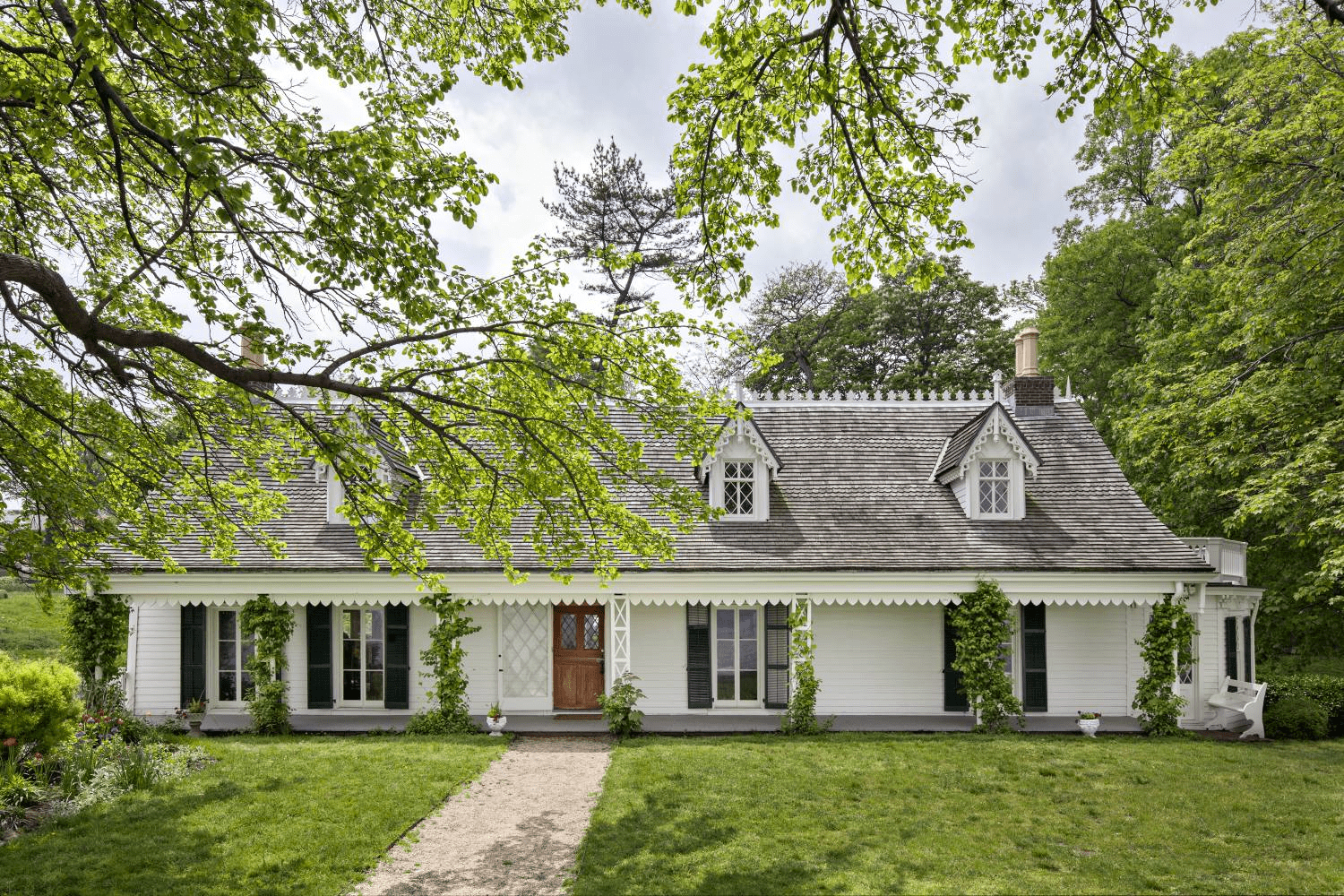
Alice Austen’s work and contribution to the art of photography were not forgotten. Coincidentally, her former home was transformed into a museum. In the 1960s, the Verrazzano-Narrows Bridge opened on Staten Island, significantly increasing property values. The local authorities planned to demolish old houses for new development. In response, community activists formed the “Friends of Alice Austen House” and launched a campaign to preserve her home.
The Landmarks Preservation Commission recognized it as a New York City landmark. The city acquired the property in 1975. Subsequently, budget funds were allocated for its renovation and restoration, and ten years later, the museum officially opened. In 1993, the building was designated a National Historic Landmark. In 2017, the house was recognized as a National LGBT Historic Site. The “Friends of Alice Austen House” organization, officially incorporated in 1979, now manages the museum.
Contemporary artists continue to explore Alice Austen’s life and work. Robin Rice created the play “Alice in Black and White,” which depicts the photographer’s life from 1876 to 1951. It premiered at the Kentucky Center in 2013 and later played in New York theaters, earning the “StageWrite Women’s Theatre Initiative Award.”
In 2022, “Alice Austen Lived Here” by Alex Gino was published. The same year, the podcast “My Dear Alice” was released, created by scholar Pamela Bannot in collaboration with the Alice Austen House Museum. It features quotes from Austen’s correspondence with friends and family.
Alice Austen’s photographs remain a national treasure. They not only reveal her immense talent but also showcase the courage of a woman who lived authentically and wasn’t afraid to express her true self.