

Billie Holiday is widely regarded as one of the greatest jazz vocalists of all time. Her career soared to incredible heights, yet her life was tragically cut short by battles with alcohol and drug addiction. In 1972, her autobiography was adapted into the film “Lady Sings the Blues,” which brought renewed attention to her extraordinary artistry. In 2000, she was posthumously inducted into the Rock and Roll Hall of Fame, a testament to her enduring influence on countless musicians. Discover more about the rise and fall of this jazz icon on newyorka.
The Future Star’s Early Life
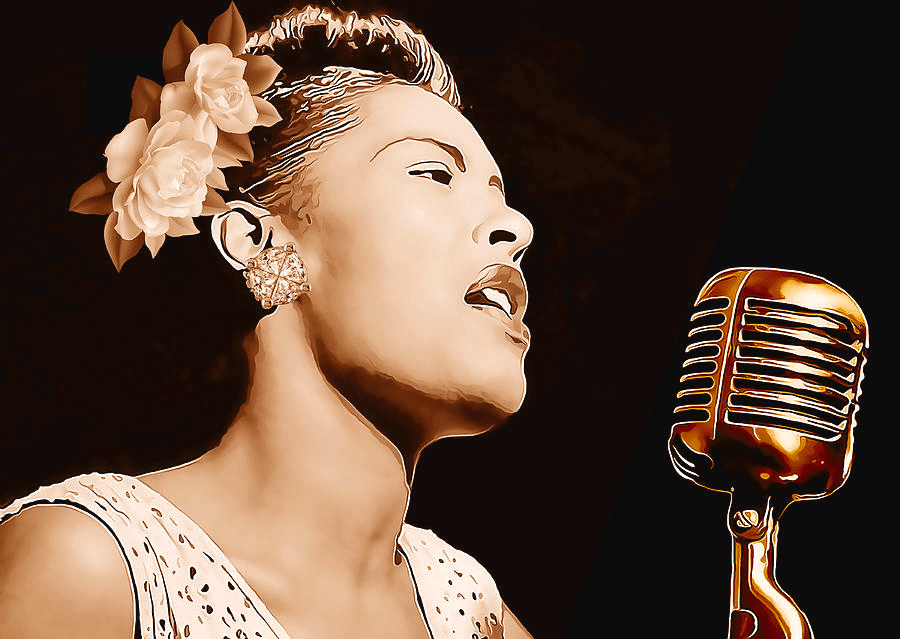
Eleanora Fagan was born on April 7, 1915. While some sources cite Philadelphia as her birthplace, others point to Baltimore, Maryland—the city where Eleanora spent her childhood.
Her mother was a teenager when she gave birth to Eleanora, and her father is believed to be jazz musician Clarence Holiday, who had no intention of raising a child. In 1920, Sarah Fagan married Philip Gough. The family enjoyed a few good years, but the marriage eventually dissolved, leaving her mother alone again with a young daughter.
Money was tight, and Eleanora often skipped school. In early 1925, she was sent to the House of the Good Shepherd, a reform school for troubled African-American girls. Nine-year-old Eleanora was the youngest resident there. Later that year, she was returned to her mother, who neglected her. Soon after, Eleanora endured sexual abuse. The future jazz star’s only solace during this dark period was music. She would listen to records by Bessie Smith and Louis Armstrong, singing along.
When her mother moved to New York City in the late 1920s, Eleanora followed. To make ends meet, she worked in a Harlem brothel. At the same time, she began singing in local clubs under the stage name Billie Holiday, in homage to film star Billie Dove.
Billie Holiday’s Musical Career
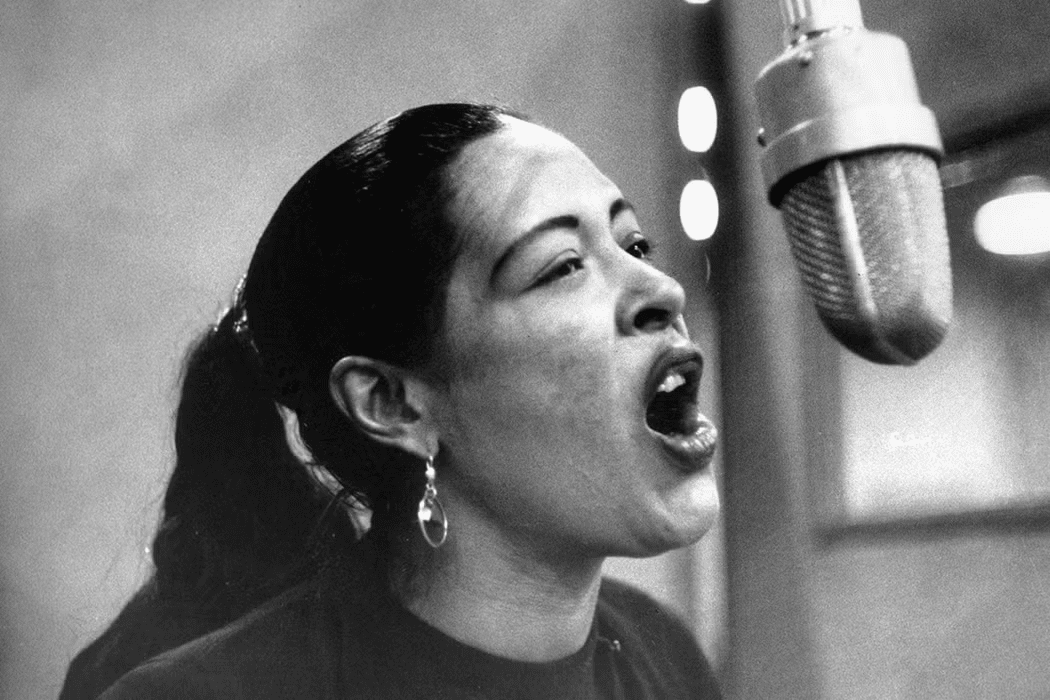
When Billie was 18, producer John Hammond happened to hear her perform in a club. Captivated by her voice, he arranged for her to record with jazz clarinetist Benny Goodman. Together, they performed songs like “Your Mother’s Son-In-Law” and the 1934 hit “Riffin’ the Scotch.”
Billie Holiday continued to make joint recordings with jazz pianist Teddy Wilson and other renowned artists. Showcasing her distinct, melancholic vocals, she recorded several singles, including “What a Little Moonlight Can Do” and “Miss Brown to You.” She was also invited to appear in the film “Symphony in Black.”
Soon after, the singer met saxophonist Lester Young, and they became close friends. It was Young who first affectionately nicknamed Billie “Lady Day.” The saxophonist played in Count Basie’s orchestra, which Holiday joined in 1937. During this period, she toured extensively before beginning a collaboration with Artie Shaw’s orchestra. For the first time, an African-American woman sang with an all-white orchestra, a move that proved successful. Despite her talent, Billie Holiday’s race and style faced significant opposition, leading her to leave the orchestra and embark on a solo career.
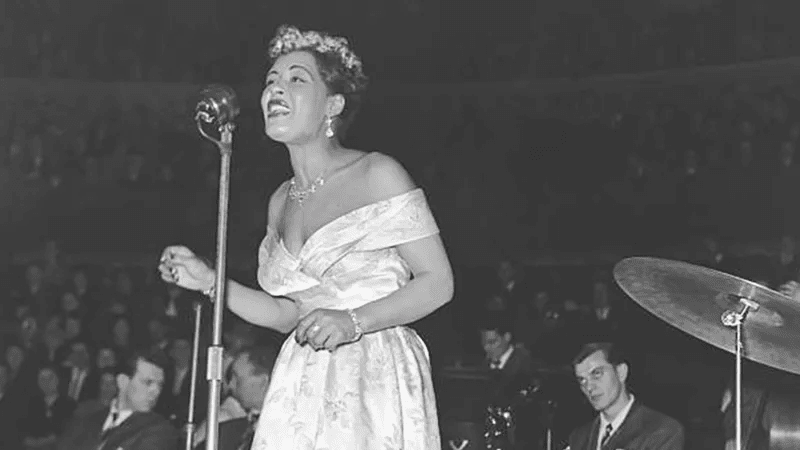
The singer became a sensation at New York’s Café Society, where she developed her signature stage look with gardenias in her hair. It was here that she first performed hits like “God Bless the Child” and “Strange Fruit.” The latter, a powerful song about the lynching of African Americans in the South, was controversially rejected by Columbia Records. Undeterred, Holiday recorded it with Commodore. Some radio stations banned the song, sparking considerable debate, which only fueled listener interest.
Billie also performed songs about relationships between men and women, notably “T’ain’t Nobody’s Business If I Do” and “My Man.” These often reflected her personal life, which, unlike her musical career, was far from happy.
In 1941, Holiday married James Monroe. By this time, she was already struggling with alcohol abuse, and her husband introduced her to opium. This marriage quickly ended in divorce, but Billie Holiday’s personal struggles only deepened.
Personal Struggles
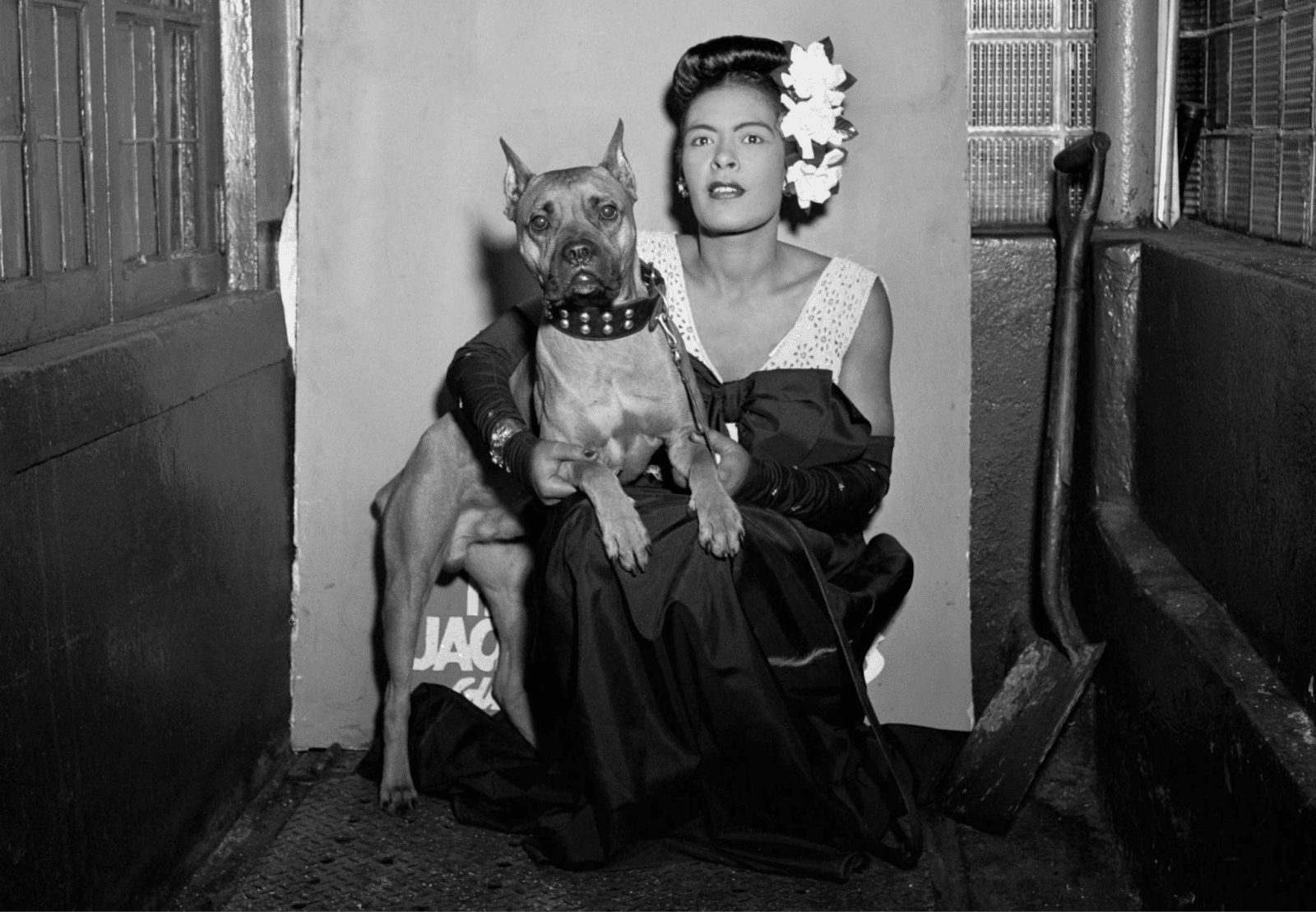
In 1939, Billie Holiday was warned by the Federal Bureau of Narcotics never to perform “Strange Fruit” again. The stage star chose to defy the ban. In response, Bureau Commissioner Harry Anslinger, a known racist, vowed to destroy her career. He relentlessly pursued Billie, determined to expose her alcohol and drug addiction.
In 1944, the singer signed with Decca Records, releasing the hit “Lover Man” the following year. Also, in early 1944, she gave a landmark solo concert at the Metropolitan Opera.
Holiday began dating musician Joe Guy, and they both used heroin. When the singer’s mother passed away in the fall of 1945, Billie intensified her drinking and drug use to cope with the pain of loss.
Despite her personal problems, Billie Holiday remained a prominent star in American jazz. She performed extensively, attempting to conceal her struggles from the public. In 1947, she appeared alongside Louis Armstrong in the film “New Orleans.” That same year, she was arrested and convicted for drug possession. The singer was sent to a federal rehabilitation center in Alderson, West Virginia.
A year later, Billie Holiday was released. However, due to her conviction, she couldn’t obtain a license to perform in clubs and cabarets. Her only option was concert halls. Holiday organized a concert at Carnegie Hall, which was a tremendous success.
Later, John Levy, owner of New York’s Ebony Club, helped her secure permission to perform at his venue. They began dating, and Levy became her manager, remaining so until the late 1940s. Soon after, Holiday was arrested again for drug use, but this time she was acquitted.
The Star’s Final Years
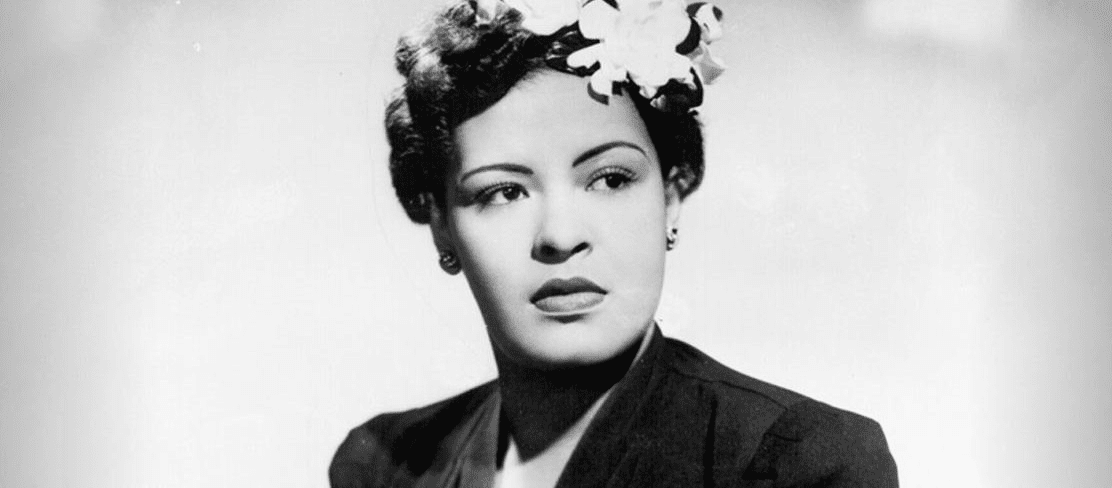
The abuse of alcohol and drugs took a toll on Billie Holiday’s voice and her ability to perform. Despite all the difficulties, she continued to tour and record new songs. In 1952, the singer collaborated with jazz label owner Norman Granz. Two years later, she embarked on a European tour, where she was met with enthusiastic audiences.
Billie Holiday’s biography brought further attention to her. The book “Lady Sings the Blues,” co-written with William Dufty, was published in 1956. It was adapted into a film after her death. Despite its captivating story, the book contains many controversial facts. Holiday herself claimed she never read the final manuscript.
Around this time, Louis McKay entered her life. Both struggled with drug use, leading to arrests, though they were subsequently released. The couple married in Mexico, but McKay, like many men before him, primarily exploited Billie Holiday’s name and money.
In 1958, the singer recorded the album “Lady in Satin” with Ray Ellis’s orchestra for Columbia Records. Her voice was growing weaker, but she refused to give up. The singer made her final stage appearance in New York on May 25, 1959. Shortly after, she was hospitalized for heart and liver problems. While in the hospital, she was arrested yet again for drug use, but on July 17, the singer passed away.
Over 3,000 people attended Billie Holiday’s funeral, held at St. Paul the Apostle Roman Catholic Church on July 21, 1959. Her legacy lives on in music history and in the enduring popularity of her timeless recordings.