

Shortly before the end of the American Revolutionary War, George Washington established the Badge of Military Merit. His intention was to create a special decoration that would highlight the contributions of the ordinary soldier. The Badge of Military Merit became the forerunner of the Purple Heart, an honor that, more than 150 years later, was first awarded to a woman—a New York resident, nurse, and immigrant who was wounded while serving in the war. That woman was Beatrice Mary MacDonald. Read more on newyorka.
A native of Canada, MacDonald moved to New York to pursue a career in nursing. When World War I broke out, she volunteered for the U.S. Army Nurse Corps. She was assigned to a unit from Presbyterian Hospital, which is now part of the NewYork-Presbyterian Hospital system. In addition to the Purple Heart, MacDonald earned numerous medals and distinctions, not just from the U.S. but also from France and Great Britain. Here is more about her life and her wartime service.
The Early Life of Beatrice Mary MacDonald
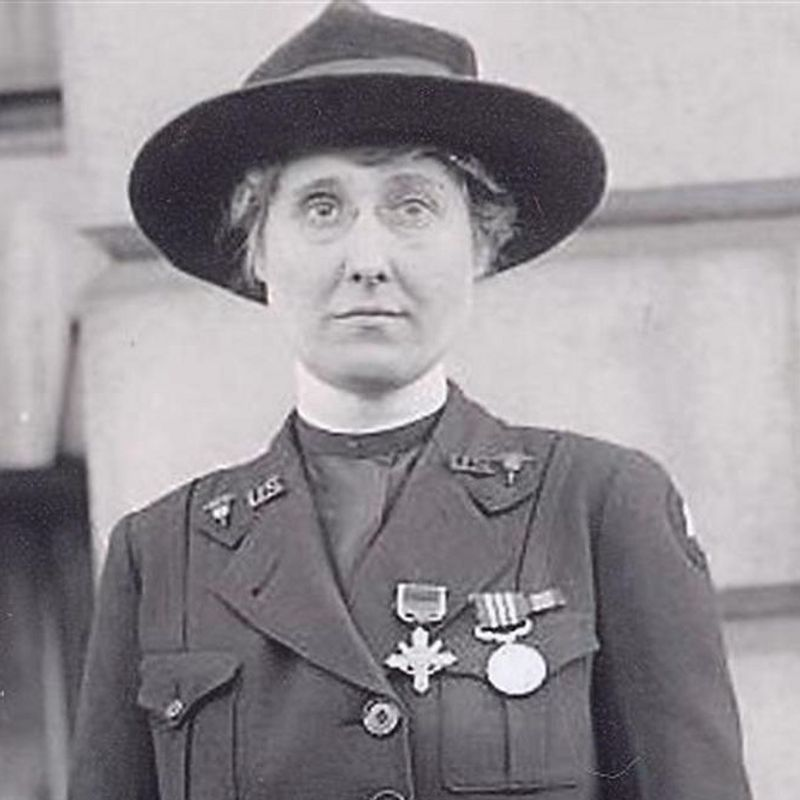
Beatrice Mary MacDonald was born in the small Canadian town of North Bedeque, Prince Edward Island, in 1881. She moved to the United States at a young age, driven by the desire to become a nurse. She settled in New York City and enrolled in the local nurse training school on Blackwells Island (now Roosevelt Island).
Beatrice completed her education in 1905 and became a registered nurse. Afterward, she remained in New York, working as a surgeon’s assistant.
World War I and Beatrice Mary MacDonald
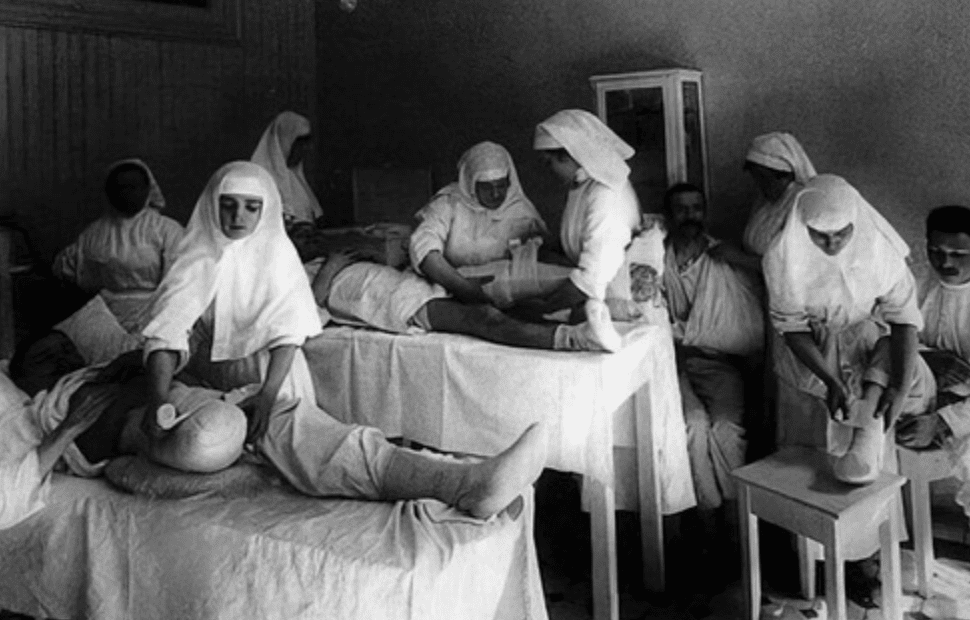
Before the U.S. entered World War I, Beatrice traveled to France. In 1915, she spent four months working as a nurse at an ambulance hospital in Juilly. She eventually decided to return to New York, but she did not abandon her medical work.
When the U.S. joined the war in 1917, Beatrice immediately volunteered for the Army Nurse Corps. That May, she was assigned to the New York Presbyterian Hospital medical team, which was scheduled to go to Étretat, France, to establish a base hospital there.
And so, Beatrice Mary MacDonald found herself back in Europe. For a year, she worked as a surgeon’s assistant at Base Hospital No. 2. These medical facilities were located far from the front lines and provided long-term care for severe injuries.
Later, MacDonald joined a British Casualty Clearing Station (CCS). This unit was mobile and positioned just a few miles from the actual fighting. The station’s job was to sort the wounded, provide urgent medical attention, and perform emergency surgeries. From the CCS, soldiers were either sent to other medical facilities for further care and treatment or returned to the battlefield.
A Tragic Night on the Front, Wounding, and Recovery
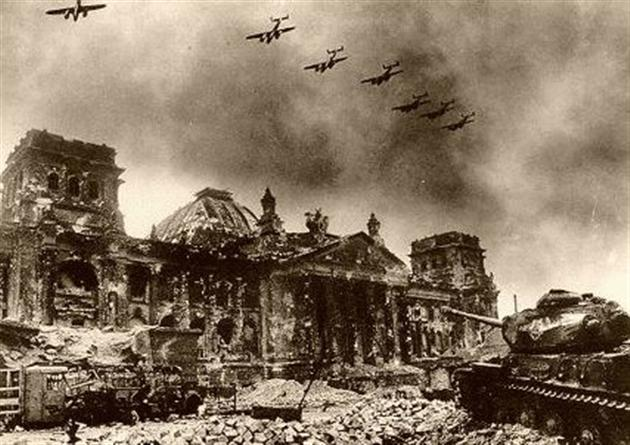
With the Casualty Clearing Station, Beatrice was sent to Belgium, where combined British, French, and Belgian forces were fighting the Third Battle of Ypres, also known as Passchendaele. It was there—four miles from the front line—that she was working on the night of August 17, 1917. A German air raid suddenly began. Despite the danger, MacDonald continued to treat the wounded until an aerial bomb exploded inside the hospital.
Shrapnel tore through the ambulance station tent where the American nurse was working. Fragments struck her face, severely damaging her right eye. Unfortunately, the eye could not be saved. Surgical attempts to restore her vision were unsuccessful, so the eye was removed and replaced with an artificial one.
Beatrice Mary MacDonald’s recovery took six weeks. Once healed, she immediately chose to return to her work in the military hospitals in France and Belgium. The brave woman felt she had only just begun to contribute to the fight for victory. She made a note of this in her own album, which is now preserved in the collection of the Radcliffe Institute for Advanced Study at Harvard University.
MacDonald’s album became a valuable historical artifact. In it, the nurse described in detail the preparation for dealing with poison gases. Their use on the battlefield was one of the horrors of World War I. The medics’ training included short stays in chambers containing small concentrations of phosgene and other toxic gases. This helped them quickly recognize the gases in case of an attack and learn to adjust their gas masks in less than ten seconds.
In addition to her written records, Beatrice Mary MacDonald preserved photographs. The old pictures show the tents where the wounded were treated and various areas of the casualty clearing station.
As for her post-injury service, she initially returned to the base hospital where she had previously worked, remaining there until the late spring of 1918. She was then called to Evacuation Hospital No. 2 in Baccarat, France. This was the American equivalent of the British Casualty Clearing Station. There, MacDonald was promoted to Chief Nurse and served in that role until the end of the war.
Life After the War
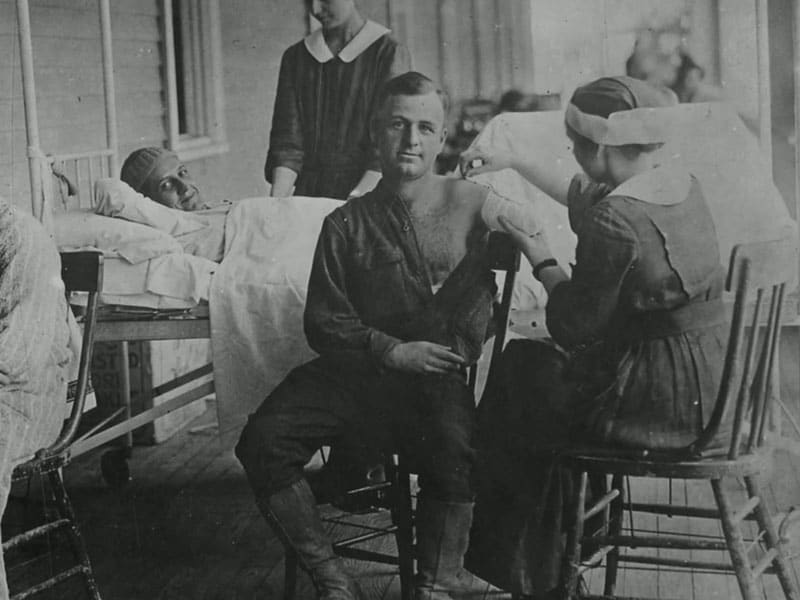
When World War I finally ended, Beatrice Mary MacDonald went to Germany. She served with the Allied forces for two months before returning to the U.S. and resuming her nursing career in New York.
In 1933, the nurse was appointed Director of the School of Nursing at Pennsylvania Hospital. She worked effectively in this position for the next two decades until her retirement.
The Purple Heart and Other Honors for the Brave American
Beatrice Mary MacDonald received many accolades for her bravery and dedication. She is one of the most celebrated American women who served on the front lines of World War I.
In February 1919, the U.S. Congress honored her with the Distinguished Service Cross. MacDonald became the first woman to ever receive this award. Only three women were awarded it throughout World War I. Her other medals for heroism included:
- The French Croix de Guerre (Bronze Star),
- The British Royal Red Cross Medal Second Class,
- The British War Medal,
- The U.S. Distinguished Service Medal.
As for the Purple Heart, Beatrice Mary MacDonald received it nearly two decades after the war ended, in 1936. Four years earlier, President Herbert Hoover had reinstated the award by executive order. It was intended as a tribute to George Washington’s Badge of Military Merit, which was designed in the shape of a silken purple heart.
It’s important to note that the Purple Heart was awarded to many World War I veterans, but these were thousands of male soldiers. Beatrice Mary MacDonald, however, was honored specifically as a nurse and as a woman in the war. As a “minister of mercy,” she chose to be at the front, close to the fighting—a role that was both deadly and vital. Even her wounding did not stop her from carrying out her chosen mission.
The brave woman passed away in 1969 at the age of 88. At the time, she was residing in a retirement home in White Plains, Westchester County. She was given a full military funeral and was buried at Long Island National Cemetery in Suffolk County.