

The Colony Club became not just a social venue but a landmark in the history of women’s independence: it proved that women could create a prestigious organization without the involvement of men. It served as a model for the emergence of other women’s clubs in the U.S. and later transformed into a space for networking, philanthropy, and cultural influence. Read on newyorka.info for more about the history of this community.
The Birth of New York’s First Women’s Club
At the beginning of the 20th century, New York was a city of clubs—exclusive, elite, and strictly male. Financiers, politicians, and artists gathered here, each in their own circle. But all these prestigious clubs shared one trait: women were forbidden entry. It was then, in 1903, that one determined woman decided to change the rules of the game.
Florence Jaffray Harriman, a brilliant diplomat, suffragist, and one of the most famous women of her time, founded the Colony Club—the first social club in New York created by women and for women. Her idea was revolutionary: to create a place where ladies could gather, socialize, engage in sports, and discuss politics, art, and charity without dependence on male institutions.
Florence was joined by representatives of the city’s most prominent families—the Astors, Vanderbilts, Whitneys, and Morgans. They were united by a desire for intellectual freedom and social activity. It’s no wonder the club’s name, Colony Club, symbolized a “colony of independent women” who were building their own world within a patriarchal era.
The club’s funding also carried a tone of female solidarity and noble patronage. The membership fee was $150—an amount comparable to the most expensive men’s clubs.
Florence Harriman, the club’s founder, lived a long life, remaining a symbol of female strength and diplomatic skill. She participated in the Versailles Peace Conference, headed the U.S. Legation in Norway, advocated for women’s rights, and even marched against taxation without representation at age 84.
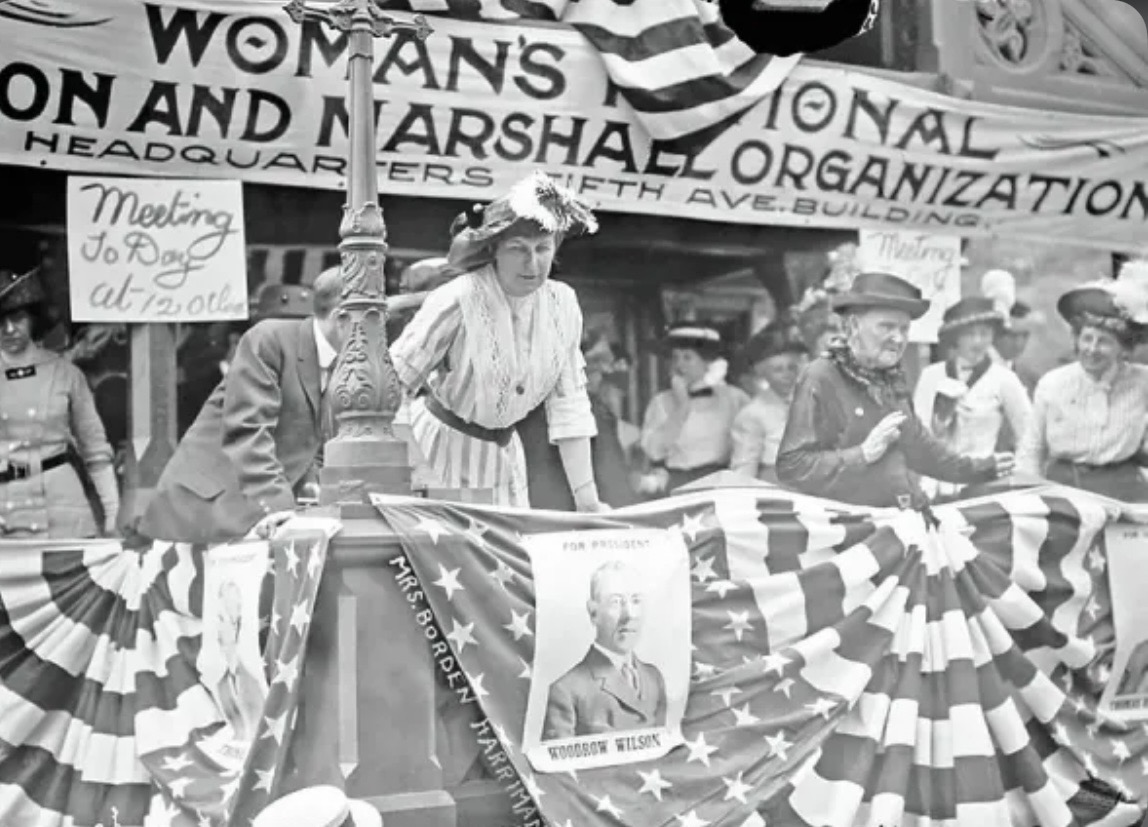
Her words, spoken in old age, sound like the credo of the entire Colony Club community:
“I always had a place in America of my time.”
And indeed, thanks to her and her friends, that place emerged for thousands of other women as well.
Famous members of the Colony Club included Eleanor Roosevelt, Anne Morgan (daughter of financier J.P. Morgan), Madeleine Astor, Abby Aldrich Rockefeller, Emily Rafferty (former president of the Metropolitan Museum of Art), and Ruth Morgan (a women’s rights activist).
The First Clubhouse
When Florence Harriman, along with her influential friends, decided to create a club for women, they spared neither ambition nor expense. Raising half a million dollars, this group of determined and wealthy ladies commissioned the legendary architect Stanford White of the firm McKim, Mead & White to construct a house that would symbolize female dignity and independence.
Thus, between 1904 and 1908, an exquisite house in the Federal Revival style rose at 120 Madison Avenue, inspired by the 18th-century architecture of Annapolis, Maryland. Its façade was adorned with an unusual diamond-pattern brickwork that immediately caught the eye of passersby.
The interiors became a true breakthrough in social design. They were created by Elsie de Wolfe, a former actress who dared to become the first professional female interior designer. The result was stunning: light, elegant rooms filled with freshness, flowers, and soft light—the complete opposite of the heavy interiors typical of men’s clubs of that era.
Tragically, Stanford White did not live to see the building open; he was fatally shot a few months before the project’s completion. Nevertheless, his architectural vision became part of the city’s history.
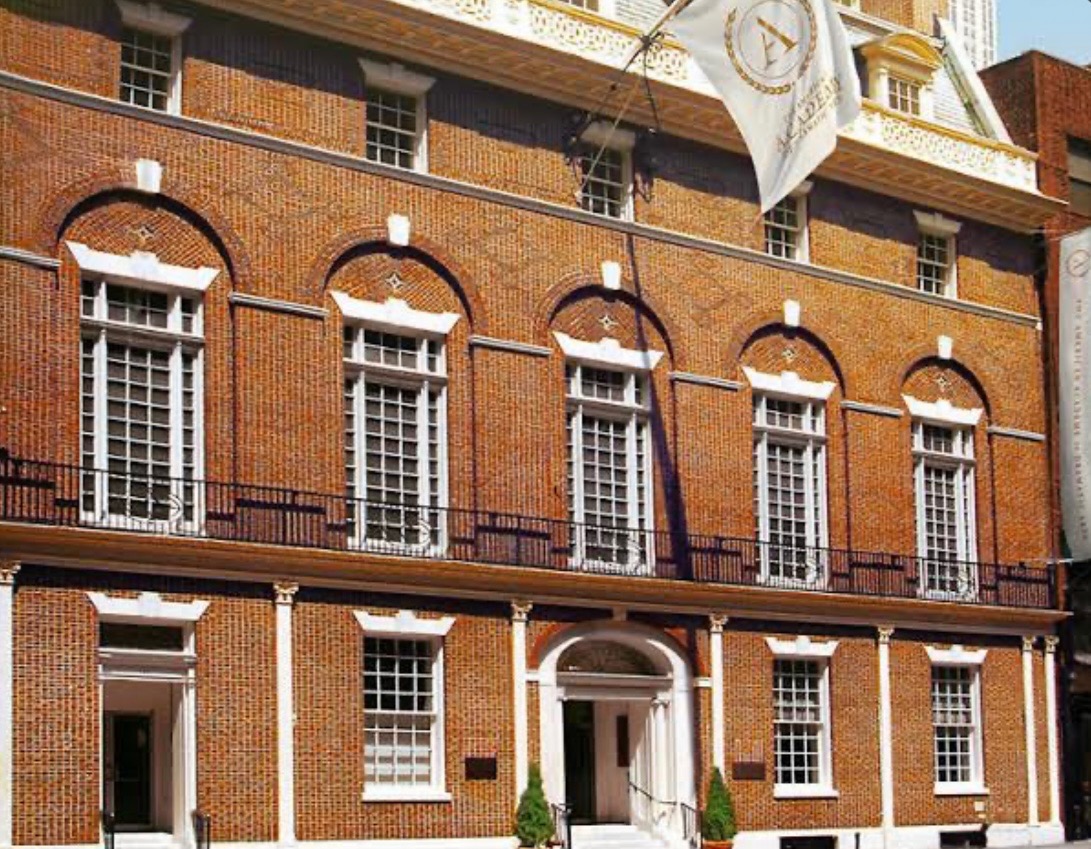
The first Colony Club house soon became a center for the women’s movement. Rallies for women’s suffrage, organized by club members and the Equal Franchise Society, often took place right outside its doors.
After the organization moved to a new address in 1916, the building was purchased by philanthropist Genevieve Garvan Brady. Today, this historic mansion houses the East Coast headquarters of the American Academy of Dramatic Arts.
In 1966, the building was officially designated a New York City Landmark, preserving the spirit of the era when women first boldly asserted their place in the big city.
The New Home on Park Avenue: Grandeur and Style of the Female Elite
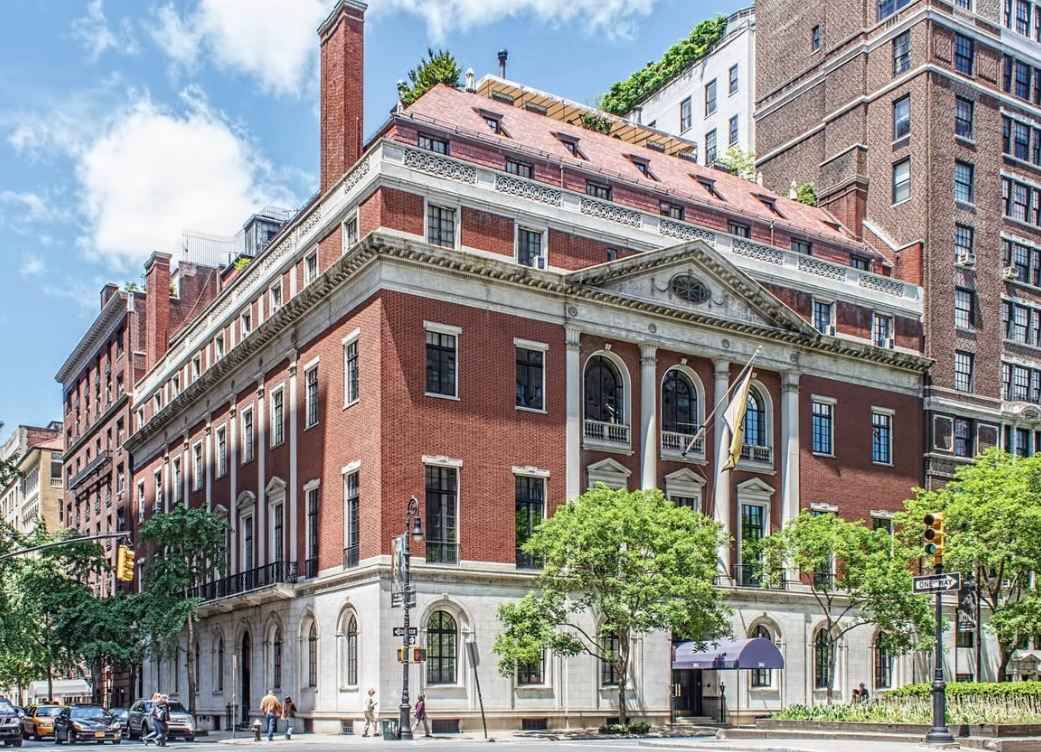
By the early 1910s, the Colony Club needed a space that matched the new status of its members—women who were confidently taking their place in New York’s public life. Thus, in 1913, the decision was made to construct a new clubhouse at 564 Park Avenue, on the corner of 62nd Street.
The project was entrusted to architects William Adams Delano and Chester Holmes Aldrich, who created a true masterpiece in the Neo-Georgian style. The red-brick facade on a marble base looked restrained and majestic—an embodiment of British elegance reinterpreted with an American spirit. Elsie de Wolfe again designed the interiors, blending luxury with domestic comfort.
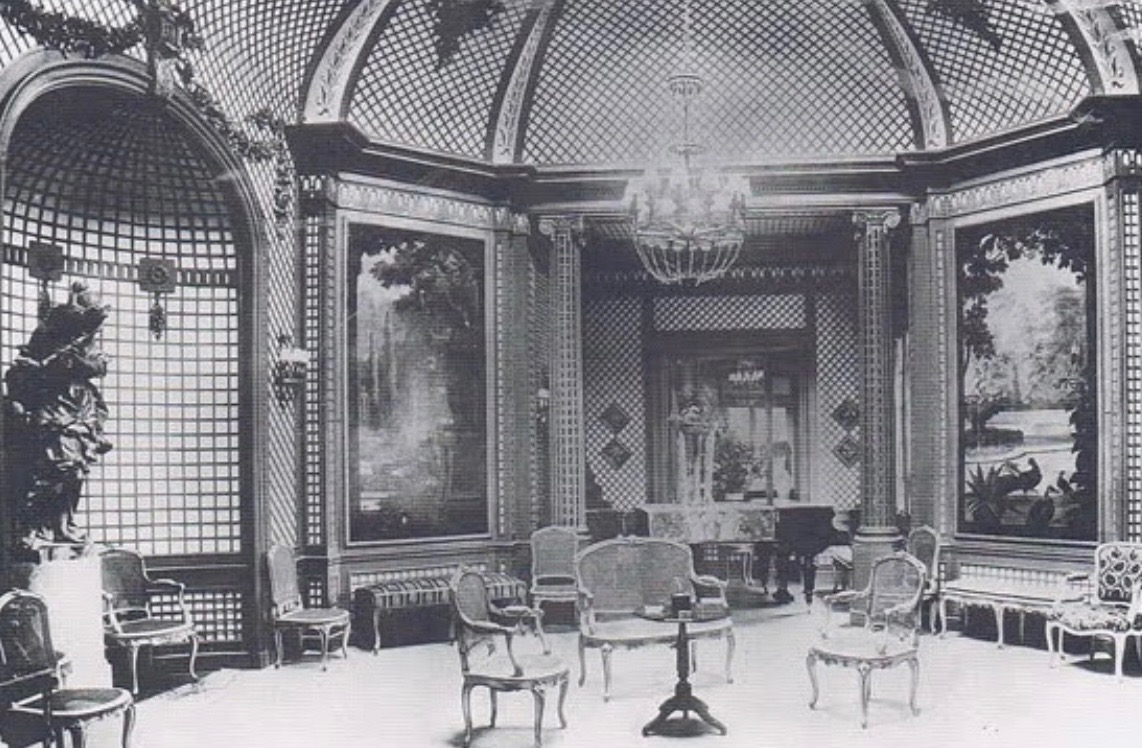
The building was impressive not only in appearance but also in its thoughtful details. Inside were seven floors of luxury and comfort: two ballrooms, three dining rooms, lounges, 25 guest rooms, a swimming pool, a fitness room, squash courts, and even a special elevator connecting the spa to the gymnasium. Everything was designed so that women could relax, discuss ideas, or host a lavish evening. In the 1920s, the club even employed thirteen maids and had a kennel for members’ pets.
The architectural appearance of the building emphasized its status. The Park Avenue entrance was decorated with the club’s carved coat of arms, the circular ballroom windows were framed by slender Ionic pilasters, and a terrace with a stone balustrade stretched across the roof.
For decades, the Colony Club remained a favorite meeting place for society women, artists, and politicians. This is more than just a building—it is a symbol of female solidarity, sophistication, and power that has survived all the changes of the century, remaining an invariably refined center of New York.
120 Years of Women’s Prestige on Park Avenue
In the 21st century, the Colony Club remains a symbol of female community and prestige. Its over 2,500 members participate in lectures, concerts, luncheons, and sports programs. Here, they discuss art, politics, philanthropy, and fashion—but always in an atmosphere of restrained elegance.
The Colony Club was historically a venue for women from old New York families—the Astors, Roosevelts, Morgans, and de Peysters—but over the years, it has become more open and modern. And while the club traditionally did not seek loud publicity, it remains one of the most elegant women’s clubs in the world, where the past harmoniously merges with the present.
Its symbol—two intertwined crescent moons, borrowed from the coat of arms of Diane de Poitiers, the mistress of French King Henry II—serves as a reminder that this club has always been a territory of female strength, dignity, and charm.
Despite the passing eras, the club has maintained its exclusivity; membership is still only available by recommendation. It remains an all-women’s club, though with softened rules. Men are permitted to use the restaurant and pool, but only women remain members.
Despite its elitism, life at the club is quite active—annual revenue exceeds $10 million, with over $2 million coming from the kitchen, bar, and private events.
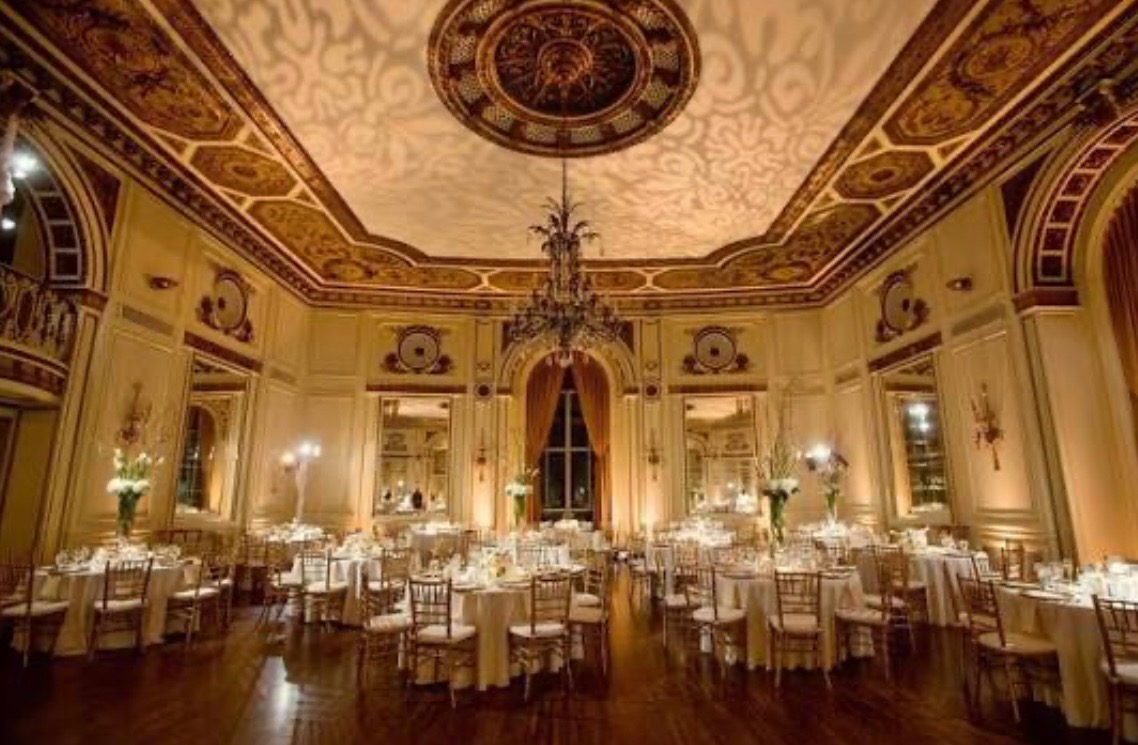
The Colony Club maintains reciprocal relationships with over 30 prestigious institutions worldwide—from the Chilton Club in Boston to the Cercle de l’Union Interalliée in Paris and the Queen’s Club in Sydney. Even today, the Colony Club remains a place where tradition, influence, and elegance converge—a distinctive symbol of women’s presence in New York’s history.