

At the very heart of the Metropolitan Museum of Art lies a place where time seems to stand still, and fabrics whisper their stories. This is the Anna Wintour Costume Center, completely renovated and presented to the world on a scale worthy of the Queen of Fashion. Read on newyorka.info for more about the history of this unique space and the landmark events within its walls.
The Spark of Two Sisters That Ignited the World of Fashion
In the early 20th century, two wealthy New York philanthropists, Irene and Alice Lewisohn, decided to use their talents where they were most needed. In 1902, they volunteered at the Henry Street Settlement House—a shelter and community center for immigrant families. Alice, who had acted since youth, taught drama to children, while Irene enthusiastically staged dance performances.
Over time, their passion grew into something much larger. In 1914, the sisters bought a plot of land at the corner of Grand and Pitt Streets and donated it to the Settlement House to build a new theater. Thus, in 1915, the Neighborhood Playhouse was born—a small but ambitious stage that quickly became home to experimental art.
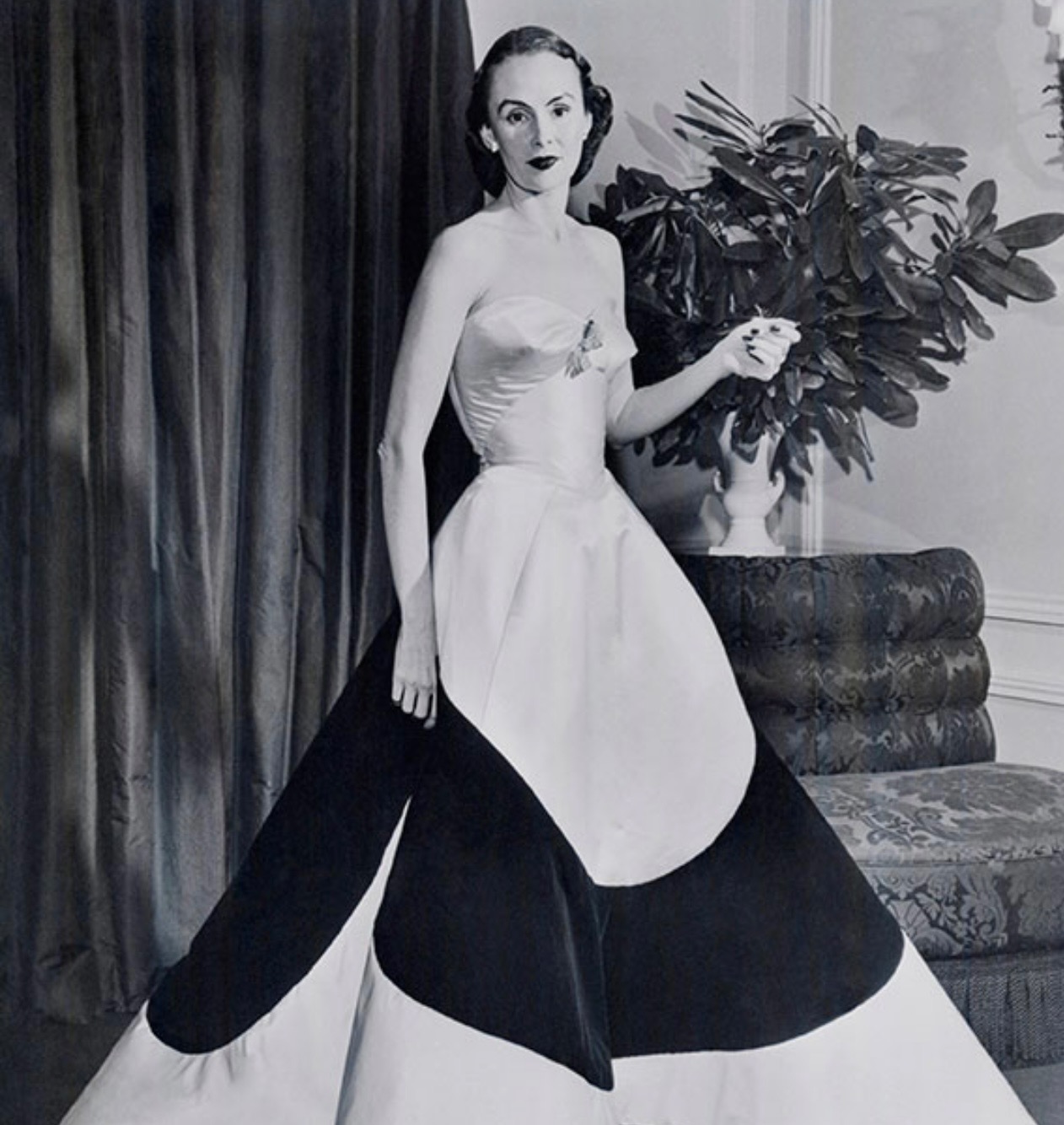
Among those inspired by the theater toward a professional career was the young designer Aline Bernstein—a future giant of set design. She worked there from 1915 to 1924, creating costumes and sets.
Although the main venue closed in 1927, the creative spirit did not fade. The very next year, the Lewisohn sisters opened the Neighborhood Playhouse School of the Theatre on East 54th Street—a school that offered an innovative two-year program in acting and dance.
It was during these years, working with the theater and school, that Irene Lewisohn built up a vast body of knowledge about costume history, staging, and the art of the theater. In 1937, she opened a separate home for this legacy—the Museum of Costume Art on Fifth Avenue. Aline Bernstein became the president, and Polaire Weissman the first executive director.
After Irene’s death in 1944, the museum’s future was taken over by Dorothy Shaver, president of Lord & Taylor. She persuaded New York garment manufacturers to raise a significant sum ($350,000) to transfer the collection to the Metropolitan Museum of Art. Thus, in 1946, the Museum of Costume Art became part of the Met and was renamed the Costume Institute.
A new era began from this point. It was the Costume Institute, with the support of the famous publicist Eleanor Lambert, that launched the annual Met Gala—an event that became a symbol of fashion culture.
In the following decades, the Institute merged several large collections. Everything was meticulously digitized, and over 31,000 items of clothing from the 17th century to the present became available to researchers across the two institutions.
Thus, the small theatrical project of two philanthropic sisters transformed into a global center for fashion thought, the heart of the history of fashion and stage art.
A New Era for the Costume Institute: The 2014 Renovation
In May 2014, after two years of silence and construction noise behind closed doors, the renewed Costume Institute space reopened at the Metropolitan Museum of Art—now with a new name, a new identity, and a new ambition.
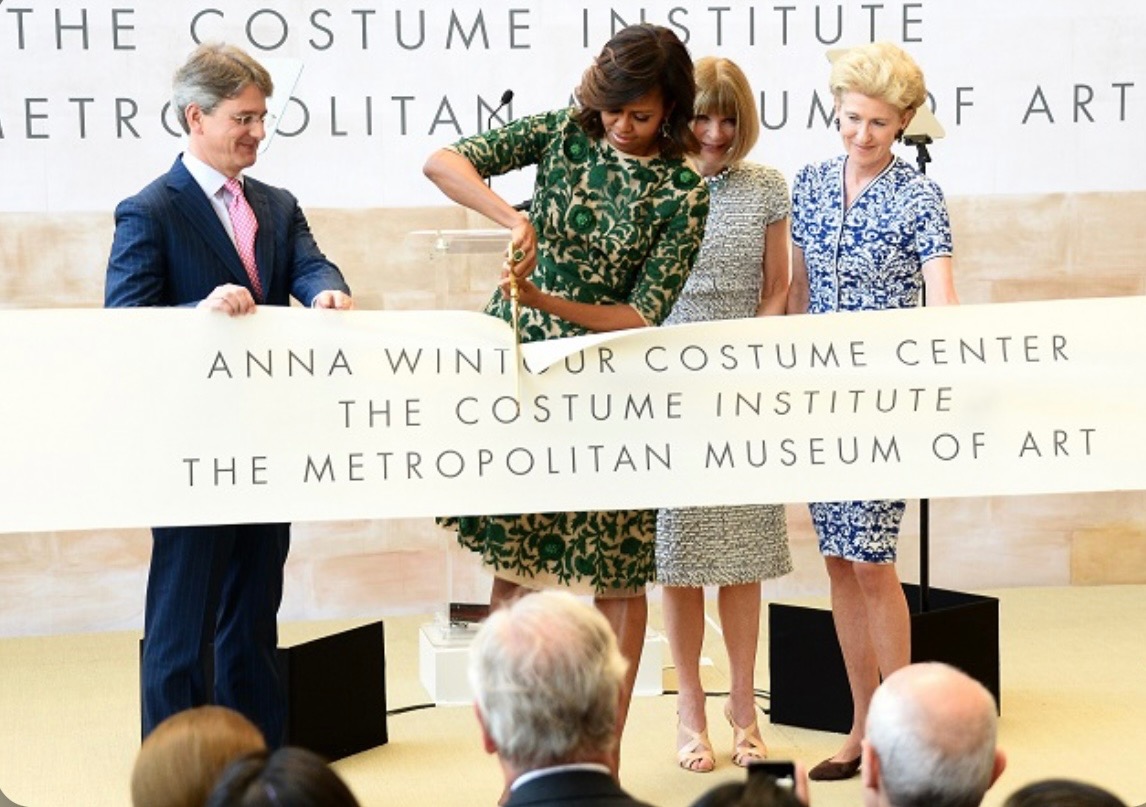
Back in January 2014, Thomas Campbell, the museum’s director, announced that the redesigned Costume Institute complex would henceforth be named after Anna Wintour—the person who had been a driving force for decades in transforming fashion into art.
Anna—the Artistic Director of Condé Nast and legendary Editor-in-Chief of Vogue—became the architect of this new era. Leading charitable initiatives since 1995, she helped raise over $125 million, paving the way for the very reconstruction that changed the institute’s face forever.
Daniel Brodsky, the museum’s chairman, said:
“Her exceptional ability to bring people together made this space possible.”
The Center was not just a renovation project—it became a modern laboratory space for the study, exhibition, and preservation of fashion.
When the opening day arrived, nearly the entire fashion cosmos gathered at the Metropolitan Museum. And at the center of attention was the First Lady of the United States, Michelle Obama, in a luxurious green Naeem Khan dress. She cut the ribbon and said:
“I am here today because of Anna. I respect and admire this woman.”
Guests included Sarah Jessica Parker, Diane von Fürstenberg, Marc Jacobs, Stella McCartney, Ralph Lauren, Oscar de la Renta, and other style icons.
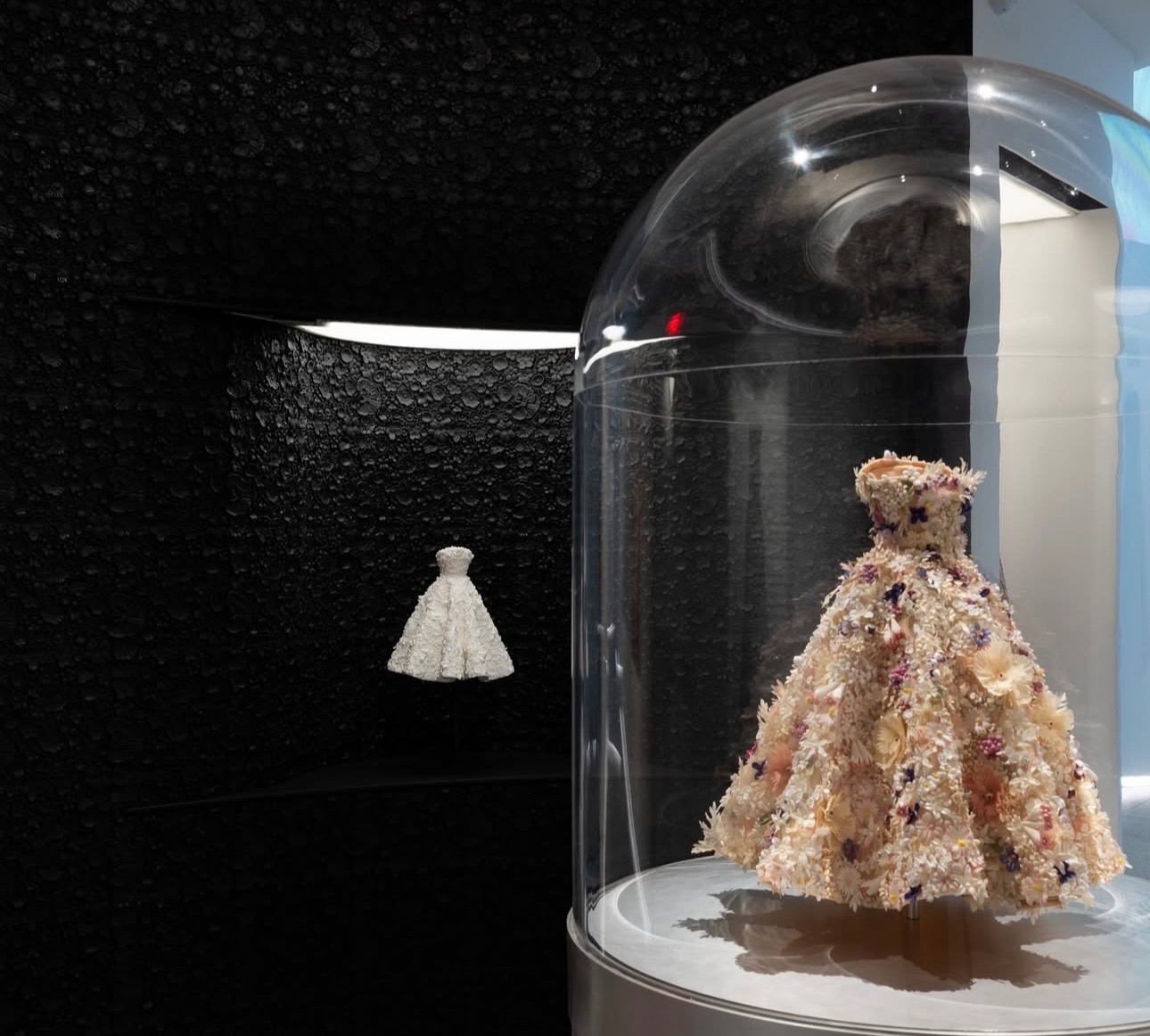
The new center’s first exhibition, Charles James: Beyond Fashion, was a symbolic choice. James was called a “scientist in couture” and a “sculptor of fabric.” The exhibition, staged almost theatrically, displayed 65 of his iconic works. In the gallery’s darkness, the dresses glowed like temples of haute couture—the “Butterfly,” the “Swan,” and other masterpieces that combined architecture and the poetry of fabric.
Inside the Anna Wintour Costume Center
At the complex’s heart is the main exhibition space, the Lizzie and Jonathan Tisch Gallery. It is a true chameleon: its walls and floor can be changed to suit the needs of every new exhibition, complemented by video installations, acoustic scenography, and wireless systems that allow visitors to literally “breathe” fashion.
Nearby is the Carl and Iris Barrel Apfel Gallery, which prepares the visitor for what they will see next and organizes key historical highlights.
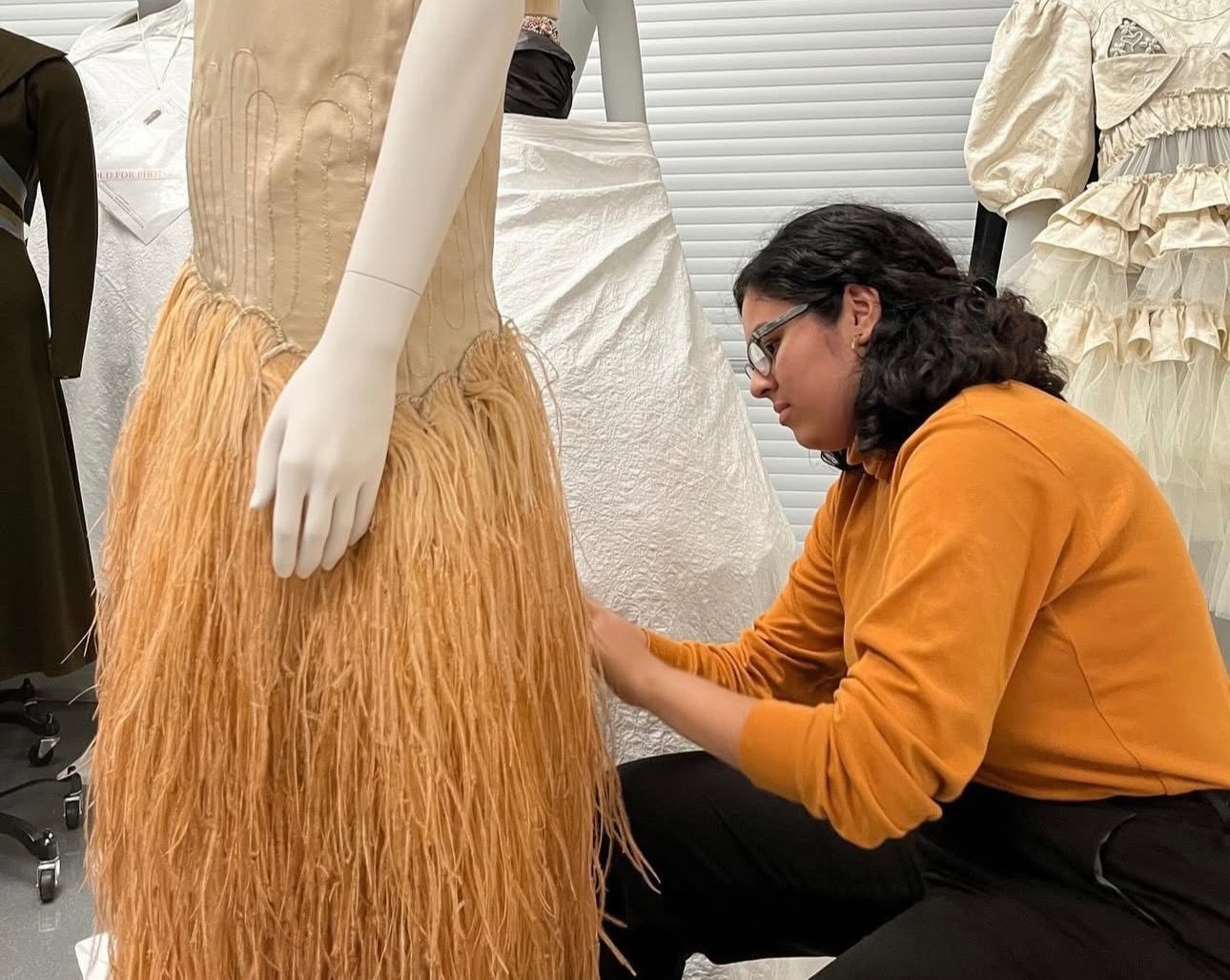
Where the average guest does not have access, the most valuable things reside. The Costume Conservation Lab is almost a hospital for garments. Every seam, every bead is checked here. The temperature is maintained in an ideal state—around 21°C, with 50% humidity. For particularly vulnerable materials, the regime differs, treating them like living organisms with specific needs.
The Curator in Charge of the Collection, Elizabeth Randolph, explains it simply:
“We are the first line of defense. Every time an object comes into our hands, we have to ensure it will survive another hundred years.”
It is Randolph who guides rare visitors through the treasures, where, for example, an Iris van Herpen plastic dress is stored separately because it emits gas that could damage other artifacts. Garments are stored in specialized boxes, on hangers, busts, and custom constructions. And—the strictest rule: nothing is to be worn.
“Just a single moment on the body can cause harm,” Randolph says.
Even researchers who receive official access can view no more than six items at a time—and strictly without touching.
Every year on the first Monday in May, the Costume Center turns into the epicenter of global fashion. The charitable ball, known as the Met Gala, raises funds for exhibitions, research, and new acquisitions.
Andrew Bolton, the Head Curator, admits that one of the main tasks is not only to collect “icons” but also to restore names that fashion history has unfairly erased.
“There are designers who changed fashion but disappeared from the radar simply because they didn’t have financial support. And their influence was incredible.”
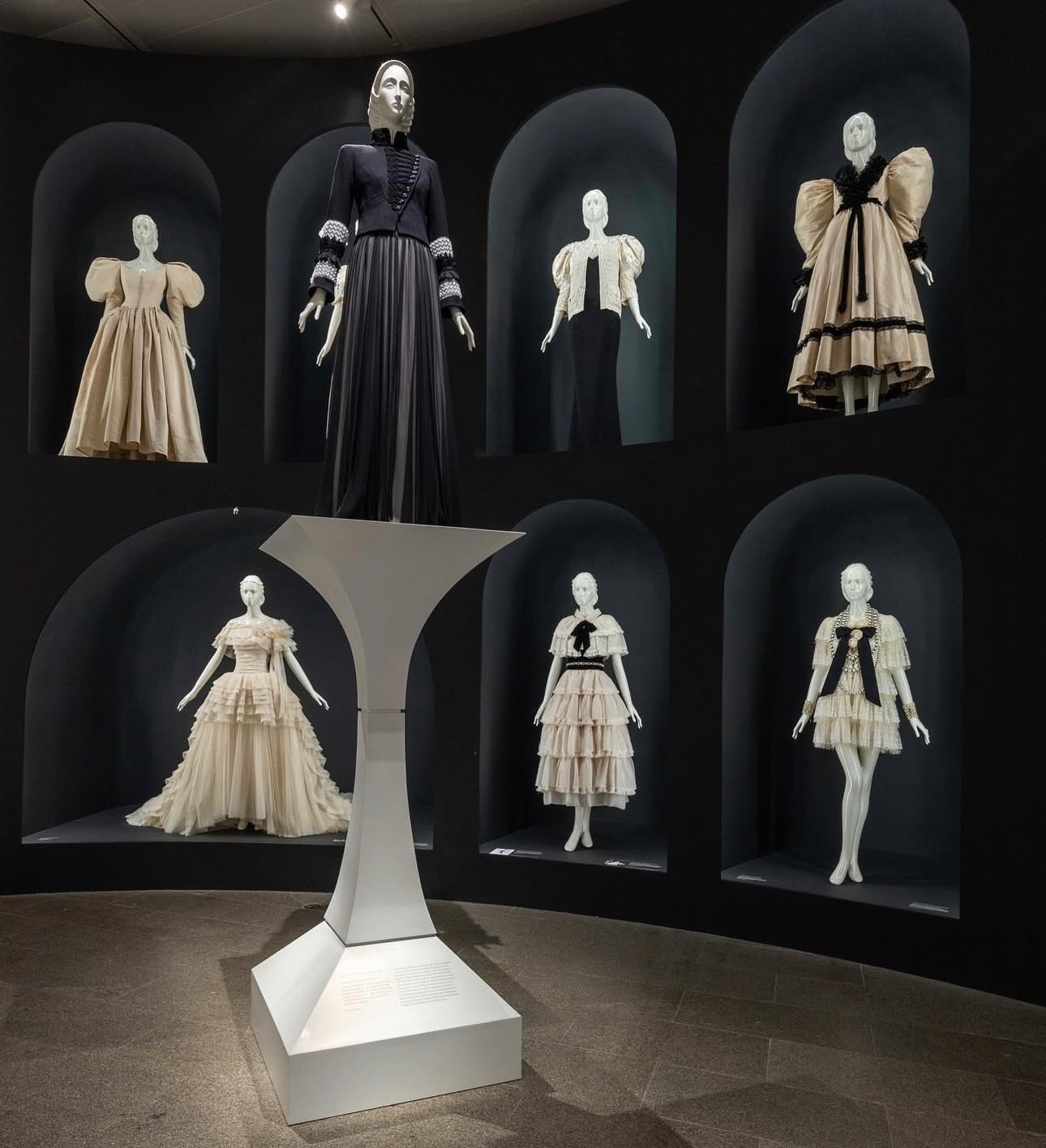
Therefore, the archive is supplemented not only with masterpieces by Dior or Balenciaga but also with rare works by forgotten designers of the 80s or 90s.
Key Exhibitions and Curators
The collections of the Anna Wintour Costume Center are a living encyclopedia of fashion: from the grandeur of Worth and the elegance of Chanel to the rebellion of Westwood, the innovations of Schiaparelli and Dior, the poetics of Kawakubo, and the drama of McQueen. No other museum runs such a massive exhibition program.
It began with the exhibition Fashion Plate (1971), which opened up fashion as an art form, followed by Untailored Garments, where American style spoke for itself, without looking to Paris. But the real explosion was caused by The World of Balenciaga: Diana Vreeland transformed the designer into a myth and the Institute into a temple of revelations. Her exhibitions turned cinema, history, and social culture into art rituals.
After Vreeland’s death, the torch was passed to Richard Martin—a philosopher of fashion who turned clothing into a concept.
Infra-Apparel, The Four Seasons, Cubism and Fashion laid the groundwork for a new approach: thematic exhibitions as intellectual manifestos.
In 1999, Harold Koda infused the institute with brilliant academicism. His projects—Goddess, Poiret, AngloMania, Superheroes—became not just exhibitions, but cultural events that cemented the Met Gala as the planet’s main social ritual.
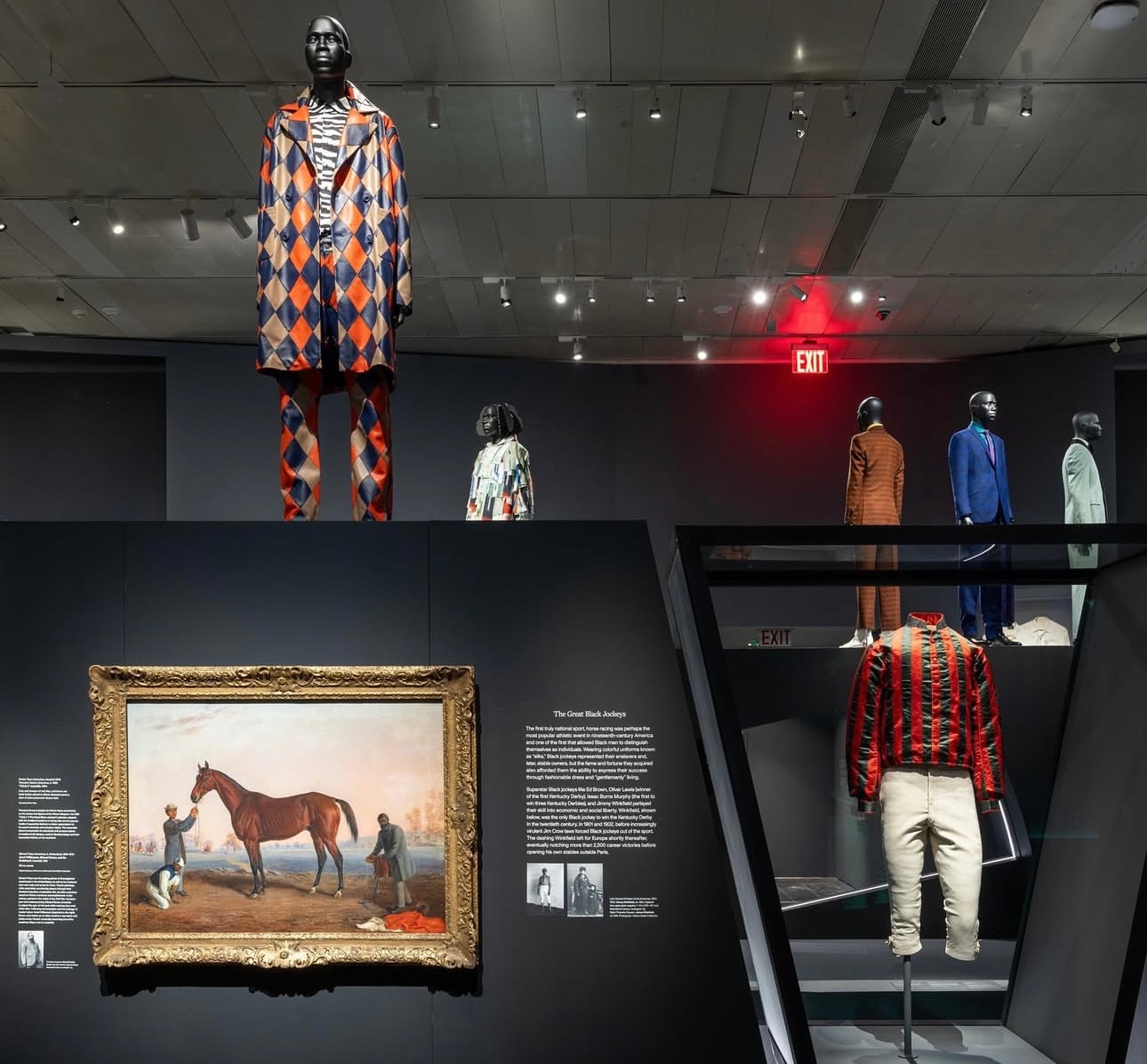
The true contemporary era began with Andrew Bolton. He transformed every exhibition into a global story:
- Savage Beauty—a dark fairy tale about McQueen;
- Heavenly Bodies—the most visited exhibition at the Metropolitan Museum;
- Camp—grotesque as per Susan Sontag;
- China: Through the Looking Glass—the aesthetic politics of East and West.
The pandemic did not stop the Costume Institute—it transformed it.
The exhibition About Time: Fashion and Duration became a metaphor for a world suspended between one era and another.
This was followed by the two-part project on American fashion: In America: A Lexicon of Fashion and In America: An Anthology of Fashion.
In the Spring of 2026, a new major event will open—Costume Art. Across 12,000 square feet, costumes will, for the first time, speak alongside painting, sculpture, and artifacts from other Metropolitan Museum departments, creating a narrative about how clothing shapes our self-perception—from the personal to the political.
The exhibition will be on view from May 10, 2026, to January 10, 2027.
Every project at the Anna Wintour Costume Center is not just a show, but a page of history where fashion does not follow time but creates it. Here, the past, present, and future meet in every seam.