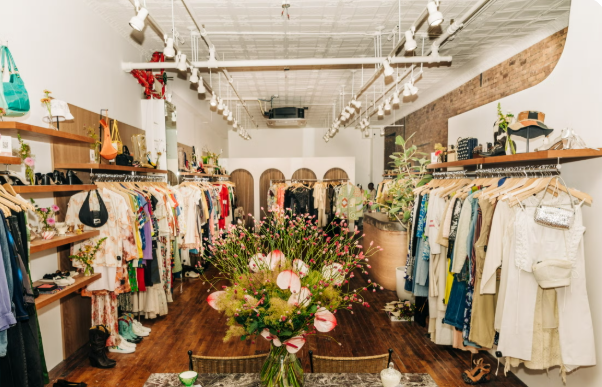

New York has always been ahead of its time, but a real revolution took place when its women stopped chasing the future and turned to the past. The streets of Manhattan and Brooklyn have turned into an open-air runway where a garment’s value is measured not by the freshness of a Fashion Week price tag, but by the depth of its history.
In a city where the pace of life demands continuous adaptation, vintage clothing has become far more than an aesthetic choice. It is a manifesto of personal freedom, a stand against mass production, and the ultimate expression of urban style. Here is how it unfolded, as explored by newyorka.info.
Redefining Luxury
For years, New York women showcased status through recognizable logos and current-season looks, but that formula has lost its charm. Individuality is the new currency, and true exclusivity is now unearthed in decades past. When every other passerby on Fifth Avenue can carry the exact same designer IT-bag of the season, the ultimate luxury becomes a one-of-a-kind vintage treasure that guarantees you will never blend into the crowd.
New Yorkers look to enduring style icons for guidance. They look back to Carolyn Bessette-Kennedy, whose understated, archival minimalism defined ’90s elegance, and turn to modern tastemakers like Chloë Sevigny and Bella Hadid, whose vintage-infused street style continually shapes the contemporary fashion agenda.
A vintage wardrobe tells a story that cannot be faked or mass-produced in a factory. Every crease on a 1980s leather jacket or the weighty drape of a 1970s silk dress carries the spirit of another era, lending depth and rich texture to an ensemble. It marks a shift from mindless consumption to curating meaning, where value is defined by tailoring craftsmanship and materials that have stood the test of time.
Eco-Consciousness as the Foundation of the Urban Wardrobe
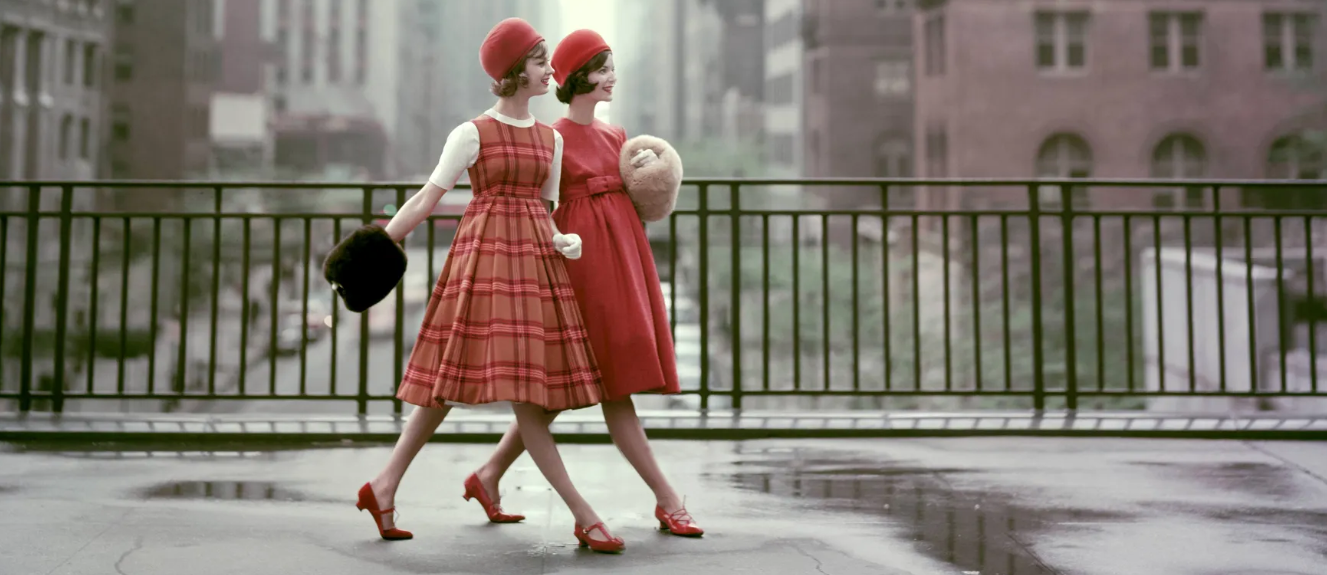
The city’s culture of conscious consumption grew out of a stark realization of fast fashion’s toll on the planet. New York women were among the first to tire of cheap textiles, pivoting decisively toward sustainability. Sourcing vintage is no longer seen as an eco-compromise; it has become a deliberate choice that reflects intellect, discernment, and respect for resources:
- reducing carbon footprints by extending the lifecycle of already existing garments;
- supporting the local circular economy instead of fueling endless fast-fashion imports;
- investing in premium fabrics that last for decades rather than ending up in landfills.
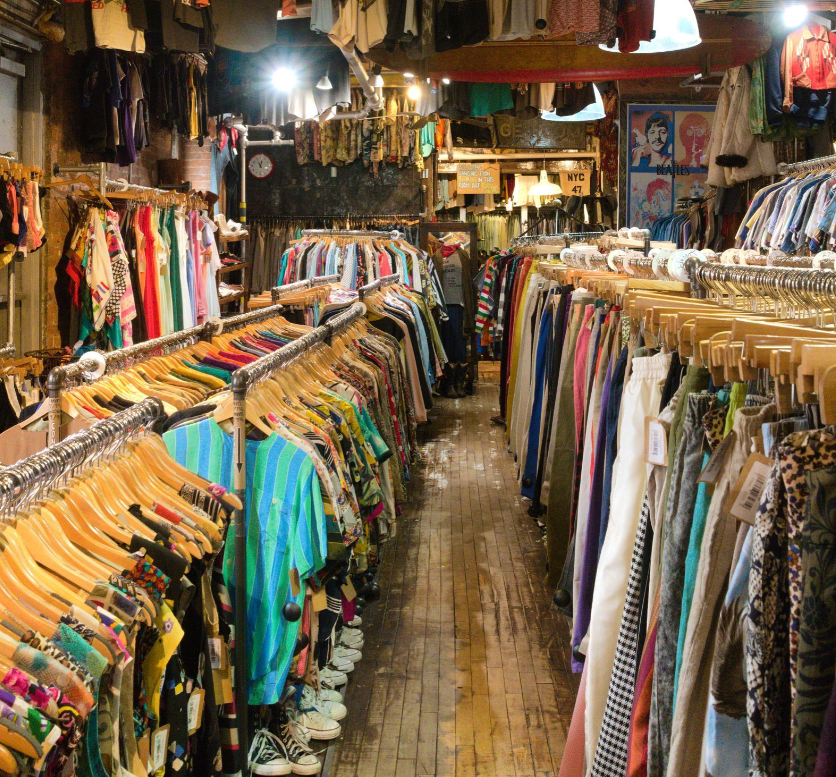
This sustainable perspective transformed the shopping ritual itself. In place of impulsive retail therapy came the thrill of the hunt, where every prospective piece undergoes rigorous curation for longevity and aesthetic merit.
The Economics of Conscious Style
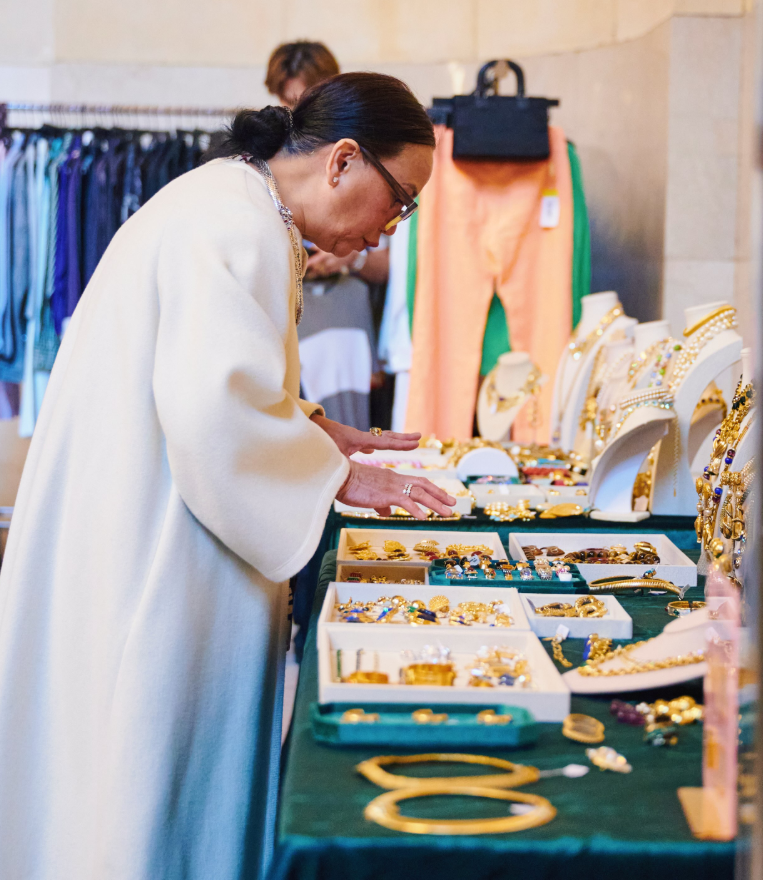
Vintage culture has radically shifted how people approach their wardrobes, turning shopping from a routine expense into a forward-thinking financial strategy. Instead of dropping substantial sums each month on fast-fashion items that lose their shape and color after a few washes, pragmatic New York fashionistas bet on timeless, heritage quality with a story.
The true advantage lies in the cost-per-wear metric. An archival wool blazer or silk dress preserved across decades will hold up for years and look immaculate, proving far more economical in the long run than disposable alternatives. What is more, well-crafted pieces from past eras do not depreciate; they often gain value. This turns a wardrobe into a liquid asset: a rare find can always be resold on the secondary market, recouping the initial investment while making room for new discoveries.
This is far more than an urban trend—it is a global economic shift. According to market research by ThredUp and GlobalData, the global resale market is growing twice as fast as traditional retail. Furthermore, over 70% of Gen Z and millennial shoppers check an item’s potential resale value before buying it new.
How New York Neighborhoods Dictate Style
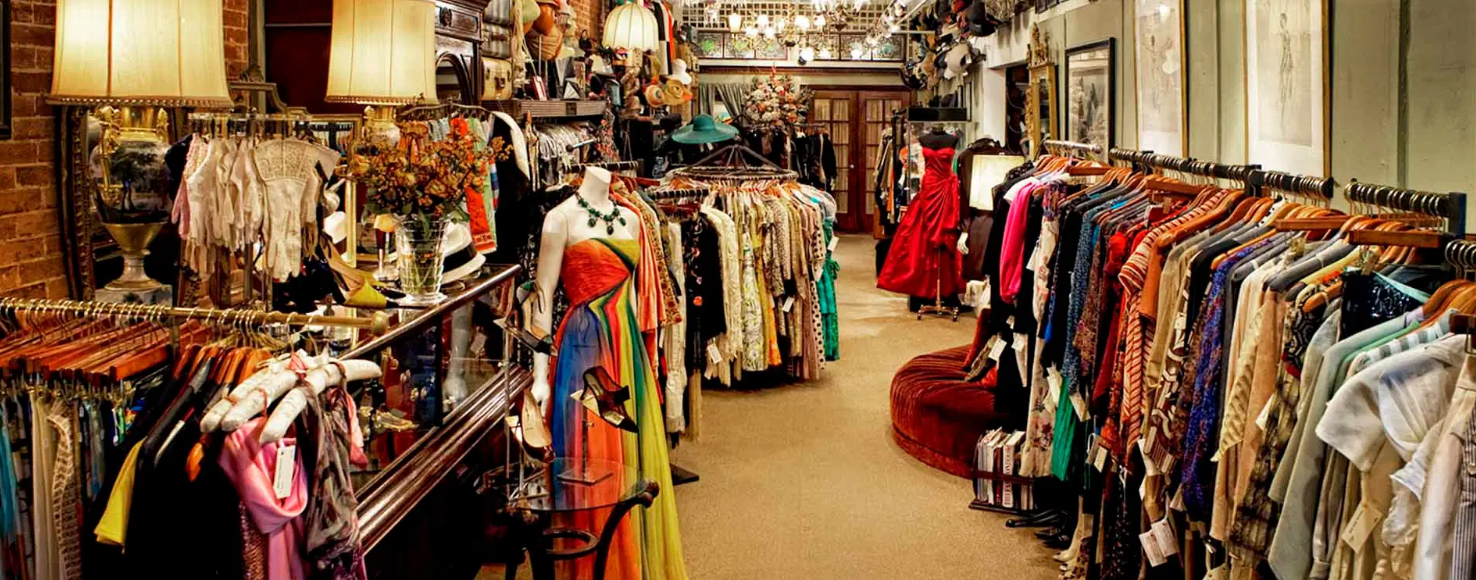
Every corner of the metropolis boasts its own distinct aesthetic code, and the sartorial choices of local women effortlessly reflect where they spend their days.
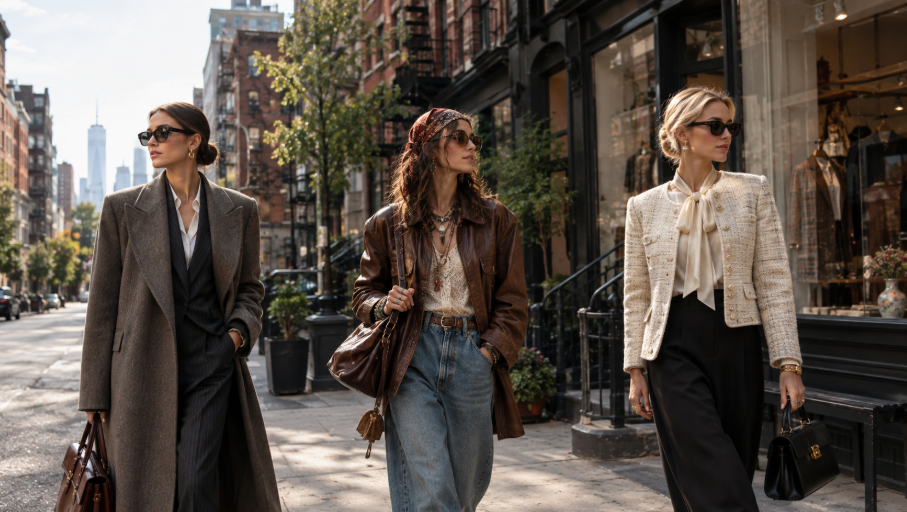
In Manhattan’s commercial core, sharp archival minimalism and clean tailoring dominate. Structured vintage overcoats and heritage handbags project the polished ease of an accomplished professional (anchored by iconic SoHo boutiques and the legendary What Goes Around Comes Around).
Cross the East River into Brooklyn, however, and the vibe shifts entirely. The streets here thrive on bold, bohemian eclecticism—artful textures, distressed leather, and coveted vintage denim with distinct personality (hunted down at Beacon’s Closet, the L Train Vintage chain, and weekend pop-ups at Brooklyn Flea).
Meanwhile, in the polished enclaves of the Upper East Side, you will find quintessential old-money luxury: delicate eveningwear and heirloom accessories sourced from high-end consignment boutiques like The RealReal or Michael’s Consignment.
The very same garments adapt seamlessly to each neighborhood’s rhythm, keeping the city’s street style fluid, dynamic, and endlessly layered.
A Masterclass in New York Styling
For New York women, vintage is never about costume drama or retro cosplay. The golden rule in the city is finding harmony between past and present, letting a single standout archival piece anchor the entire look.
- Pair oversized vintage blazers with sleek, modern basics.
- Mix archival silk blouses with straight-leg denim and minimalist footwear.
- Use vintage statement accessories to elevate subdued, monochrome outfits.
- Reach for vintage menswear overcoats to craft a relaxed, effortlessly cool silhouette.
The secret is effortless nonchalance: an ensemble should look as though it took just five minutes to throw together. Wearing clothing with history imparts an innate confidence that never hinges on fleeting micro-trends.
Investing in vintage demands a lifestyle shift—swapping careless upkeep for a dedicated culture of garment preservation. Because each piece is irreplaceable, it warrants thoughtful care: eco-friendly dry cleaning instead of rough machine cycles, sturdy wooden or padded hangers to safeguard shoulder seams, and a complete ban on harsh chemicals. Storing fine silks in breathable garment bags, conditioning leather with specialty balms, and scheduling proactive mending turn wardrobe maintenance into a meditative ritual. It is an intentional practice that ensures a piece stays pristine for decades to come.
How to Source Authentic Vintage: 4 Steps
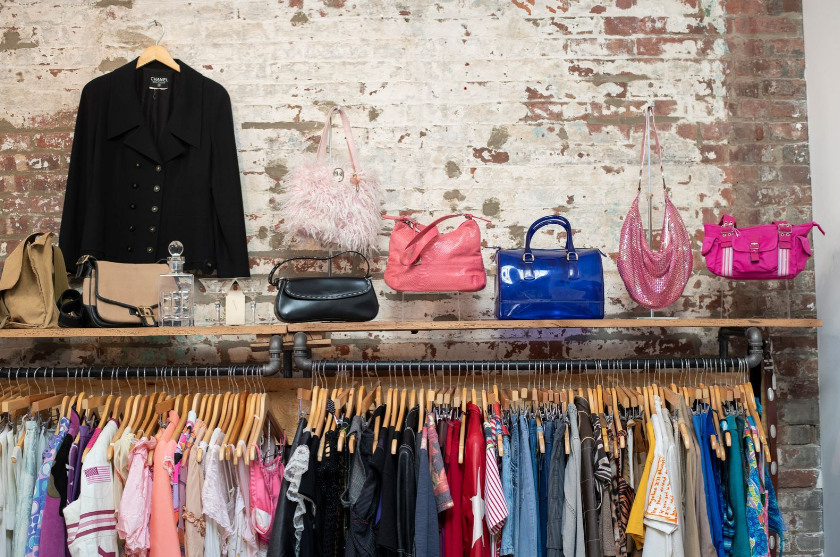
- Check the labels: look for tags reading “Made in USA” or “Made in France,” discontinued brand fonts, and vintage care tags (fabric compositions were listed differently prior to the 1970s).
- Inspect the hardware and construction: metal YKK or Talon zippers, French seams, bias-bound edges, and horn or bone buttons are hallmarks of superior tailoring.
- Prioritize pure materials: heavy wool, 100% silk, and sturdy, elastane-free cotton denim.
- Scrutinize high-wear areas: examine the underarms, collar, cuffs, and elbows. An authentic patina on leather or denim looks vastly different from structural fabric breakdown.
Metropolitan Functionality: From Morning Coffee to Evening Soirée
The frantic pace of New York rarely leaves room for mid-day trips home to change. That is why vintage clothing has emerged as the ultimate workhorse for urban multi-tasking: a single look must seamlessly carry a person from morning coffee at the corner café through to an evening gallery opening. Heritage-grade wool, robust denim, and mid-century rayon offer unmatched comfort during marathon walks across Manhattan. They move effortlessly with the body and stay impeccably sharp through dawn-to-dusk days.
Vintage allows for day-to-night styling shifts in a matter of seconds. A structured wool blazer or silk midi dress that appears sober and professional at a morning meeting can be instantly re-energized after hours. Swapping casual sneakers for sculptural heels, adding chunky heirloom jewelry, and applying a swipe of bold lipstick is all it takes to prep for an impromptu dinner or cocktails. This is fashion that works for your life, rather than demanding your day adjust around it.
Beyond aesthetics and ecology, embracing vintage brings profound psychological peace of mind. Conscious curation liberates you from trend fatigue, algorithmic FOMO, and the relentless pressure to keep up with daily micro-trends. When a wardrobe revolves around unique archival gems, the urge to compare yourself to others or chase ephemeral fads evaporates. It fosters grounded confidence and self-assurance: personal style becomes a genuine reflection of self, not the byproduct of another marketing blitz.
Emotional Resonance and the Intellectual Wardrobe
Clothing has always functioned as self-expression, but vintage elevates that dialogue to a sophisticated level. By selecting pieces with a pedigree, women assemble an intellectual wardrobe where every item carries a distinct point of view. It is an artful way to stand out in a crowd without being loud, inviting curiosity rather than demanding attention.
This philosophy cultivates a lasting bond with one’s closet. The perennial complaint of “nothing to wear” gives way to a genuine appreciation for each piece, with garments conjuring fond memories and real emotional resonance. Style becomes an authentic extension of identity rather than a carbon copy of retail storefronts.
Why Vintage Is Here to Stay
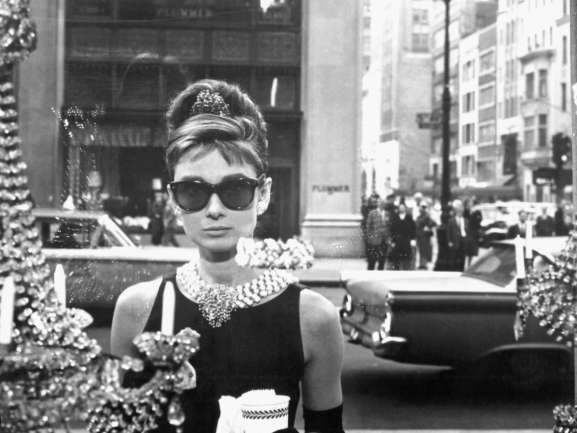
True style has no expiration date—that is the enduring lesson of the vintage philosophy. Choosing durable, time-tested fashion is not a passing fad; it is a permanent exit from the treadmill of hyper-consumption. New York has shown once again that the most forward-thinking step is learning to cherish and recontextualize what already exists. When we choose clothing with a past, we write our own story, curating a wardrobe built to inspire generations to come.