

Polo Ralph Lauren’s signature style is recognized and celebrated around the globe. Founded in New York City by a young, then-unknown designer named Ralph Lauren, the brand was born from his bold vision for fashion, which would go on to shape the tastes of generations of men. The 1980s were even dubbed the “Ralph Lauren decade,” cementing his status as a fashion legend. Discover more at newyorka about the creation and evolution of a brand that has become an indispensable part of the modern fashion landscape.
First Steps and Early Successes
Before launching his own brand in 1967, Ralph Lauren was no stranger to the fashion industry. The son of impoverished immigrants from Belarus, he set his sights on becoming rich and famous from a young age. Lauren’s early career included jobs in clothing retail before he moved to a tie manufacturing company. There, the ambitious young designer pitched his own tie designs to the owners, but his ideas were rejected.
Undeterred, Lauren decided to start his own line and successfully sold his first batch of ties to the iconic department store Bloomingdale’s. With financial backing from Norman Hilton, he expanded his venture, officially naming it “Polo Fashions, Inc.,” and began designing shirts and suits. While Lauren possessed a natural talent for design and marketing, he entrusted the financial side of the business to Peter Strom. This strategic partnership allowed him to focus on his creative vision without the stress of managing business operations.
Over the next decade, Ralph Lauren’s designs gained significant recognition. He earned prestigious Coty Awards and famously designed the costumes for the film The Great Gatsby. He introduced the now-iconic polo player logo and launched his first womenswear line. Inspired by his wife, he created women’s shirts with a masculine cut, which quickly became a massive hit.
The designer continued to relentlessly expand his company, branching out into footwear, fragrances, home goods, and furniture. The brand’s name was changed to the Polo Ralph Lauren Corporation, becoming the globally recognized name it is today.
The Continued Growth of Polo Ralph Lauren Corporation
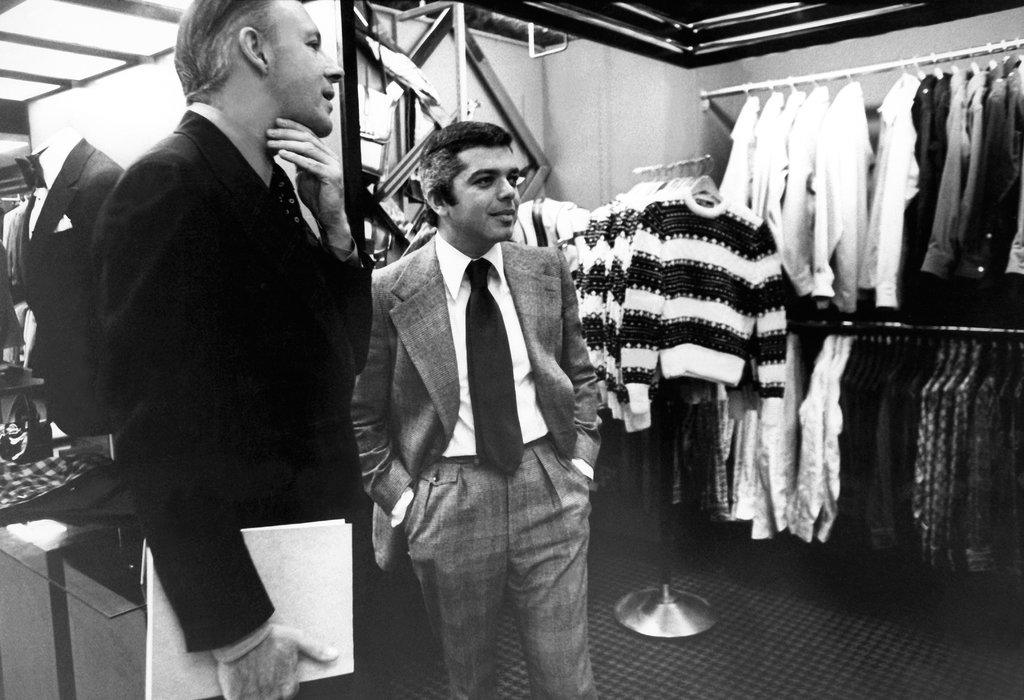
Despite the brand’s continuous expansion into new product categories, its core image has remained distinct. The Ralph Lauren style is often described as a seamless blend of elegant, sophisticated tradition and the comfort of athletic wear. According to Lauren himself, he values refinement and an aristocratic sensibility above all, a philosophy clearly reflected in his designs.
The 1980s in the United States became the era of Ralph Lauren. His clothing was embraced by men and women of all ages and social standings. Refined yet versatile, the pieces were suitable for a wide range of occasions, making the brand’s success timeless.
While honoring tradition, the renowned designer also frequently embraced innovation. His company, for instance, was the first to pioneer multi-page advertising spreads in magazines. At the same time, he consistently refreshed his product lines. In 1994, investment firm Goldman Sachs acquired a 28% stake in the company, leading to the launch of “Purple Label,” a line featuring bespoke suits. This period also saw the creation of “Polo Jeans” and “Polo Sport.” In 1997, the brand launched its official website, Polo.com, which included an online store offering products at prices often lower than those in brick-and-mortar locations.
The extensive product range of the Polo Ralph Lauren Corporation is complemented by accessories crafted from leather, suede, and textiles. The brand offers a variety of wallets and backpacks for both urban life and travel, all available in multiple colors and designed for ultimate comfort. The “Home Collection” line features everything from dinnerware and home textiles to interior decor items. The brand also produces a line of underwear.
In 1999, Ralph Lauren expanded into hospitality by opening a restaurant adjacent to his largest store in Chicago. A similar restaurant opened in Paris in 2010, followed by another in New York City four years later. With this move, the corporation expanded far beyond apparel, effectively creating an entire lifestyle universe built around its signature style.
“The Polo Bear”: The Story of an Icon
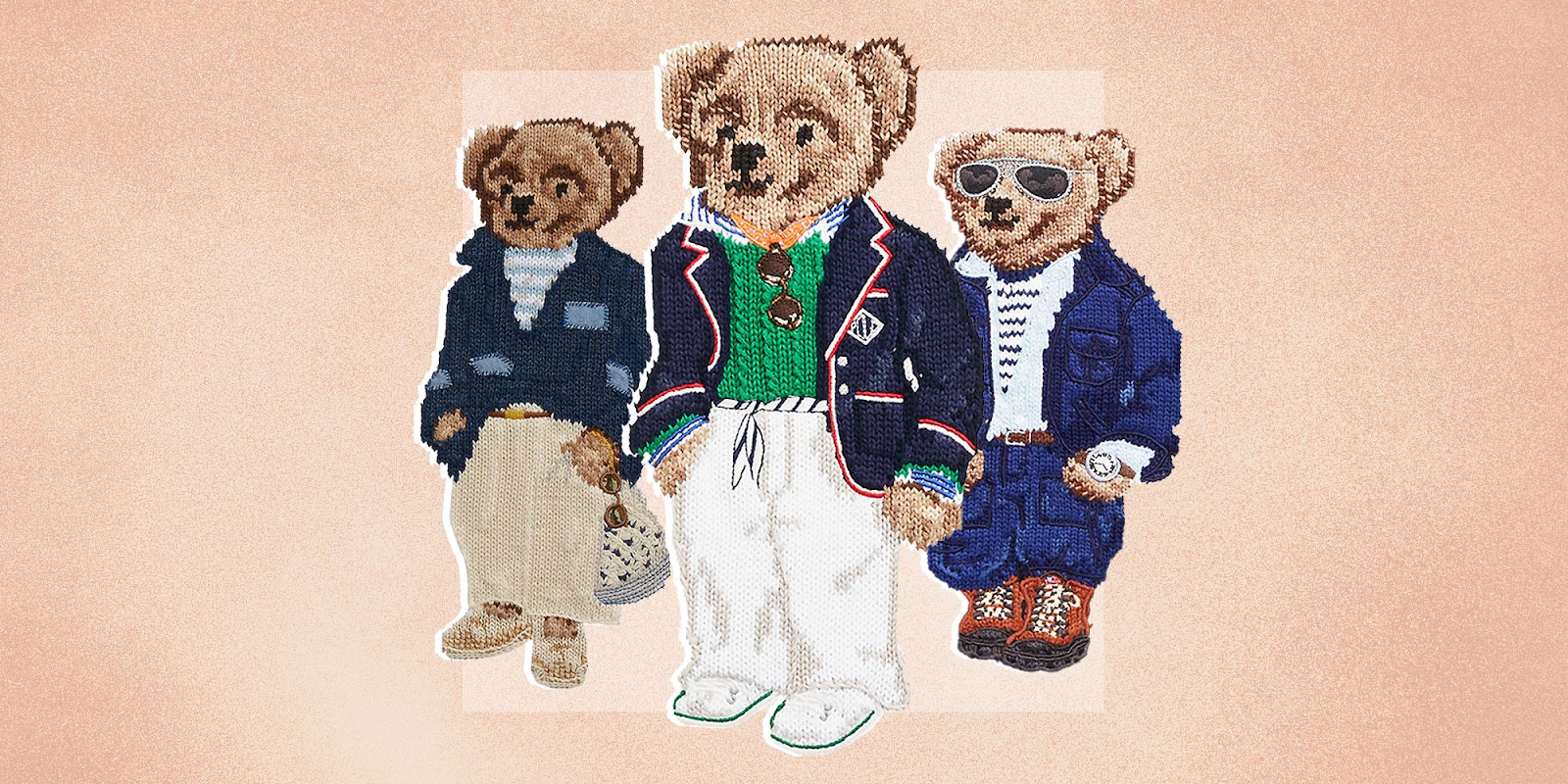
In addition to the polo player, another iconic symbol of the Ralph Lauren brand is a teddy bear. The impeccably dressed “Polo Bear” can be seen in various personas, from a yachtsman to a baseball player. So, how did this beloved icon come to be?
In 1991, Ralph Lauren’s employees gifted him and his brother plush teddy bears. The bears were manufactured by the German company Steiff. But this was more than just a simple gift. Lauren started dressing the bears in miniature versions of his own designs and soon decided they should be sold in his stores. The initial run of 200 bears, each clad in signature Ralph Lauren apparel, sold out within days.
The bears became so popular that the company began producing miniature versions of nearly every item from its collections for them, including sweaters, denim jackets, t-shirts, ties, and hats. The company used the bears to showcase many heritage styles from its archives. Eventually, the bear’s image was embroidered onto sweaters, and the official “Polo Bear” icon was born.
The Brand’s Modern Collections
Throughout the 1990s, the rising popularity of skateboarding and snowboarding began to influence Ralph Lauren’s new collections. The designer incorporated brighter colors and developed the iconic “SNOW BEACH” line. He also collaborated with Palace Skateboards to create a limited-edition collection featuring the Polo Bear. This era of design saw a revival in the 21st century, with re-releases of some of its most iconic silhouettes.
It’s also important to note that Ralph Lauren apparel became immensely popular within hip-hop and street fashion culture. At the turn of the millennium, it was common to see young African Americans dressed head-to-toe in the brand. According to a member of the Wu-Tang Clan, not wearing the brand instantly marked someone as out of style. The clothing was featured in music videos, and the brand became synonymous with hip-hop culture itself.
In 2019, the company released its classic caps and hoodies in a range of vibrant colors, featuring a distinctive three-sided logo. The “Polo Sport Denim” and “Polo Sport Silver” collections were also introduced.
A new sportswear collection launched in 2020, featuring hoodies, pants, jackets, knit sweaters, and many other items. These versatile pieces make it easy to build a wardrobe suitable for a wide variety of occasions and events. Unique prints and detailed embroidery continue to be hallmarks of the celebrated brand’s apparel.
Part of this collection included the “Oceans Challenge” line, inspired by naval themes, regattas, and the spirit of seafaring. The garments are adorned with prints featuring chronometers, compasses, and other nautical instruments. The line was rounded out with sneakers and classic caps, all designed with the brand’s signature aesthetic.
It’s worth noting that in 2015, the company’s legendary founder, Ralph Lauren, stepped down from his role as CEO. He remained on as Executive Chairman and Chief Creative Officer and, despite his age, continues to be actively involved in the development of his life’s work. However, the public’s perception of the Polo Ralph Lauren Corporation is unlikely to change significantly over time. The designer successfully infused the brand with his own timeless vision. As Ralph Lauren himself says, he never aimed to be “in fashion,” because what is fashionable today can easily be out of fashion tomorrow.
Perhaps this philosophy holds the secret to his clothing’s timeless appeal. It isn’t aimed at those chasing fleeting trends, but rather at individuals who want to look good and feel comfortable, no matter the situation. As a result, the Polo Ralph Lauren Corporation remains synonymous with quality, elegance, and sophistication that are accessible to all.